





The Minimum Payment Illusion
Credit card delinquency rates are rising across the United States, and the mechanics behind that climb point to something more structural than a temporary cash-flow problem. The minimum payment system, long marketed as a consumer convenience, is functioning more like a debt anchor for millions of cardholders.

How the Debt Keeps Growing
When a cardholder carries a $5,000 balance at 24% APR and pays only the minimum each month, the math works against them in ways most people underestimate. A typical minimum payment is set at roughly 1-2% of the outstanding balance, which means the bulk of each payment goes directly to interest rather than principal. The balance shrinks so slowly that cardholders can spend years making on-time payments and still owe nearly what they started with. That is not a bug in the system – it is how card issuers generate sustained interest revenue from revolving balances.
The problem deepens when rates are high. The Federal Reserve’s rate-hiking cycle pushed average credit card APRs well above 20%, a level that turns even modest balances into long-term debt obligations. A cardholder who borrowed during a period of lower rates now faces a significantly higher cost of carrying that same debt. Minimum payments, which are calculated as a percentage of balance, did not rise proportionally to compensate for the higher interest being charged. The result is that minimum-only payers are effectively running in place.
What makes this particularly difficult to escape is the psychological trap built into the payment structure. Card statements are legally required to show how long it will take to pay off a balance making only minimum payments, but that disclosure often sits in small print beneath the more prominent minimum amount due. Most cardholders focus on what they have to pay today, not on the total cost projection printed in a corner of the statement. The design of the billing statement itself nudges people toward the minimum.
Delinquency typically begins not with a decision to stop paying, but with a sequence of minimum payments that slowly exhaust available credit. A cardholder paying minimums sees their available credit shrink as their balance barely moves. An unexpected expense – a car repair, a medical bill, a missed paycheck – tips them into a position where even the minimum becomes unaffordable. At that point, late fees are added to the balance, the interest rate may trigger a penalty rate, and a manageable problem becomes an unmanageable one very quickly. This pattern is repeating at scale right now across the consumer credit market, and it is showing up in delinquency statistics at major card issuers.

Who Is Getting Caught
The cardholders most affected are concentrated in the subprime and near-prime credit tiers – borrowers with credit scores generally below 680. These consumers typically receive cards with higher APRs, lower credit limits, and fewer protections than prime borrowers. They also tend to carry balances more consistently because their financial cushion is thinner. When income is tight and expenses are variable, the credit card stops being a convenience tool and becomes a survival mechanism, used to bridge gaps between paychecks or cover costs that savings cannot absorb.
What makes the current delinquency trend worth watching closely is that it is not limited to the lowest-income borrowers. Cardholders in the middle-income range, people who carried manageable balances through 2021 and 2022, have seen those balances grow as spending continued and rates climbed. Many of them are now in the minimum payment trap without recognizing it. They are still paying on time, technically not delinquent, but their balances are not declining. When their financial situation changes – a job loss, a divorce, a health event – they will flip into delinquency quickly because there is no buffer left.
This is also where the connection to broader consumer debt stress becomes visible. Households that are struggling with auto loan delinquencies are often the same households carrying revolving credit card debt. When multiple debt obligations start competing for the same limited income, credit cards are often the first to go unpaid because the consequences of a missed auto payment – repossession – feel more immediate than a dropped credit score.
Card issuers have responded to rising delinquency in predictable ways: tightening underwriting for new applicants, reducing credit limits on existing accounts, and increasing collection efforts. Limit reductions are particularly damaging for borrowers already near their credit ceiling because the reduction instantly increases their credit utilization ratio, which lowers their credit score, which can trigger rate increases on other accounts. It is a cascade that can move fast once it starts.
There is no clean regulatory fix for this dynamic. The Credit Card Accountability Responsibility and Disclosure Act of 2009 required minimum payment disclosures and added some protections, but it did not cap interest rates and it did not fundamentally change the incentive structure for issuers. Proposals to cap credit card APRs have gained political attention periodically but face consistent industry opposition. Without rate caps or stricter minimum payment requirements, the structural incentive for issuers to keep revolvers revolving stays intact.
The Hardest Exit
Getting out of the minimum payment trap requires either a significant increase in monthly payments – often two to three times the stated minimum – or a balance transfer to a lower-rate product, or debt consolidation through a personal loan. All three options are harder to access when credit scores are already stressed. Balance transfer offers with 0% promotional rates are typically reserved for applicants with strong credit profiles, which excludes the people who most need relief. Debt consolidation loans are available at lower rates than credit cards, but the spread narrows considerably for borrowers with damaged credit.
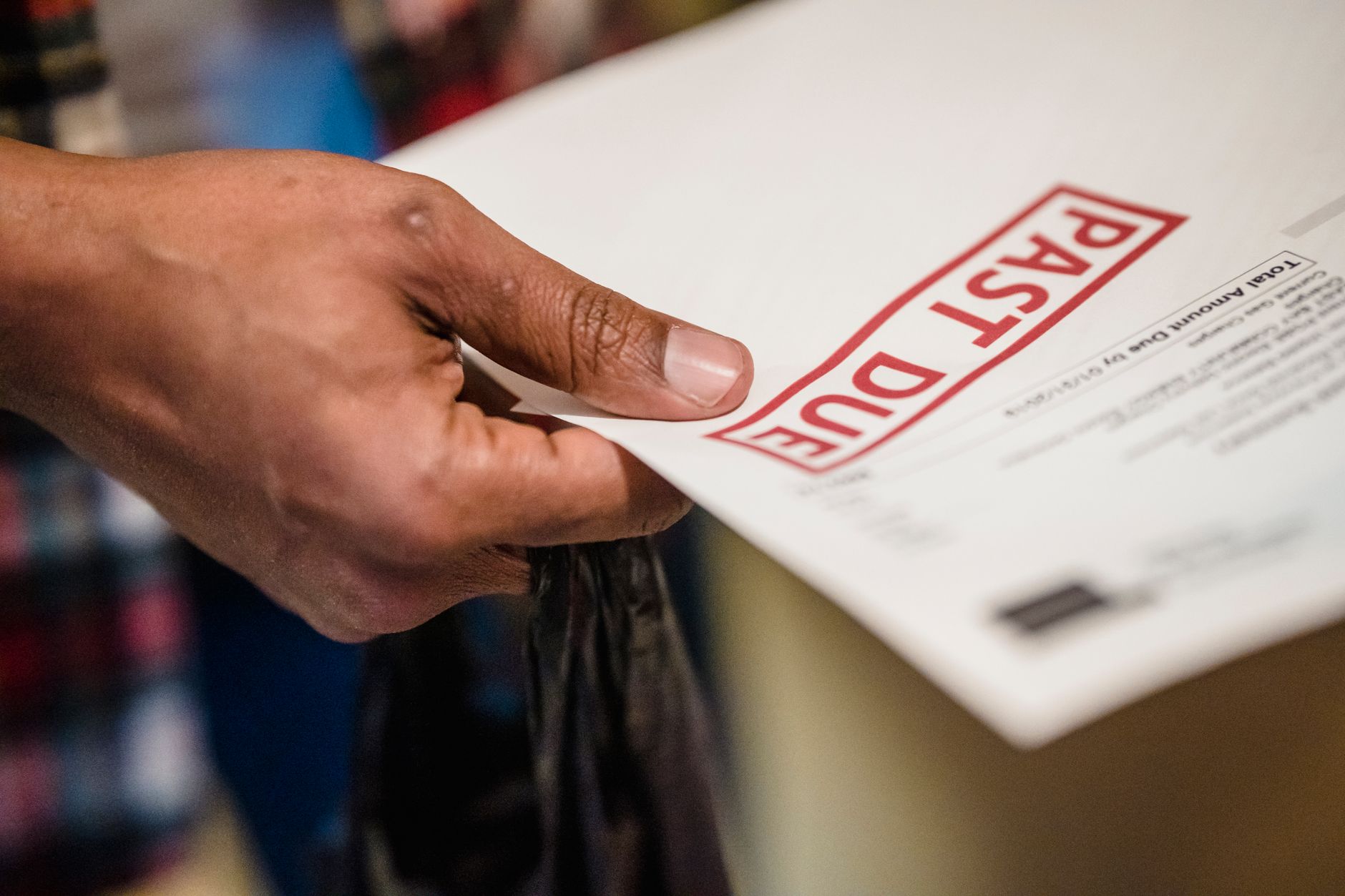
The cardholders in the deepest trouble are the ones who have been making minimum payments long enough that their available credit is nearly exhausted, their score has slipped from near-prime into subprime, and their options for refinancing have narrowed to high-cost products. For them, the practical path out often runs through nonprofit credit counseling or a debt management plan, neither of which is fast or easy. A debt management plan typically takes three to five years to complete – and that timeline assumes the cardholder’s income stays stable enough to make consistent monthly payments throughout.