





When the Bank Closes and the Post Office Stays
Across rural counties and low-income urban neighborhoods, the math has become grimly familiar: the local bank branch shuts down, the nearest ATM is a gas station charging $4.50 per transaction, and the only financial services left are check-cashing storefronts taking 3 to 5 percent off every paycheck. The communities left behind are not anomalies. There are now thousands of zip codes in the United States classified as banking deserts, places where residents must travel more than ten miles to reach a federally insured financial institution. And in most of those same zip codes, the post office is still open.
That coincidence is now driving serious policy momentum. Postal banking – the idea that the U.S. Postal Service should offer basic financial products through its 31,000-plus locations – has moved from a fringe proposal to an active pilot program, drawing support from an unlikely coalition of rural conservatives, progressive consumer advocates, and labor unions representing postal workers. The question is no longer whether the concept works. The question is how fast it can scale, and who will fight to slow it down.

What the Pilot Actually Looks Like
The USPS launched a limited pilot in 2021 allowing customers at select post offices to cash payroll and business checks for a flat fee of $5.95 – dramatically cheaper than commercial check cashers. The program was deliberately narrow, running in four cities, and offered no deposit accounts, no bill payment services, and no loans. By design or political caution, it avoided anything that would look too much like direct competition with traditional banks. Even so, the volume of transactions at participating locations grew steadily throughout the test period, suggesting real demand rather than novelty curiosity.
Since then, proposals in Congress have pushed for expanding the pilot into something more comprehensive. The most discussed version would allow the USPS to offer low-fee checking accounts, small-dollar savings products, and international remittance services – the last of which is a particularly lucrative market currently dominated by wire transfer companies charging fees that can reach 10 percent or more of the transaction. A postal remittance option at a flat or reduced fee would hit those operators directly in their margins, which is partly why financial services industry lobbying against expansion has been consistent and well-funded.
The infrastructure argument for postal banking is straightforward. The USPS already has buildings, staff, and a daily presence in communities that private banks have systematically exited. Converting a post office into a partial financial services point does not require constructing anything new. It requires training, software, and a regulatory framework – all of which carry costs, but costs that look very different when spread across 31,000 locations rather than built from scratch.

The Banking Desert Problem Is Getting Worse
Bank branch closures have accelerated since 2020, with large national institutions consolidating physical locations in favor of digital-first strategies. That approach works well for customers who have smartphones, reliable internet, and existing accounts. It works poorly for the estimated 5.9 million U.S. households that remain unbanked, a figure from the FDIC’s most recent survey on the topic. A larger group – around 18 million households – is considered underbanked, meaning they have a basic account but still rely on alternative financial services for core transactions.
The geographic concentration of these households matters. Banking deserts cluster in Native American tribal lands, in rural Appalachia and the Mississippi Delta, and in lower-income urban zip codes where branch density was always thin. These are also, not coincidentally, the areas where the USPS’s universal service mandate still compels regular delivery and physical presence. The post office exists in those places precisely because the market alone would not put it there.
The Financial Industry’s Objection and Why It Deserves Scrutiny
Banking trade groups have consistently argued that postal banking would put the government in unfair competition with private institutions, and that the USPS lacks the expertise to manage financial risk, fraud, and regulatory compliance. Those are not entirely hollow arguments. Running a financial institution is genuinely complex, and the USPS has its own significant operational and financial challenges that do not inspire automatic confidence in its ability to absorb a new business line cleanly.
But the objection has a credibility problem. The communities most affected by banking deserts are not communities where banks desperately want to operate and are being elbowed out. They are communities that private banks walked away from because the profit margin was not sufficient. Arguing that the post office should not serve those communities on competitive grounds requires ignoring that no competitor is actually competing there.
The fee economy that fills the vacuum is also worth examining directly. A household spending $300 to $400 per year on check-cashing fees, money order fees, and prepaid debit card reload charges is effectively paying a tax on being poor. That money flows to financial service companies earning healthy margins on low-income customers who have no alternative. Postal banking would disrupt that revenue stream, which explains the lobbying intensity more honestly than the stated concerns about government overreach.
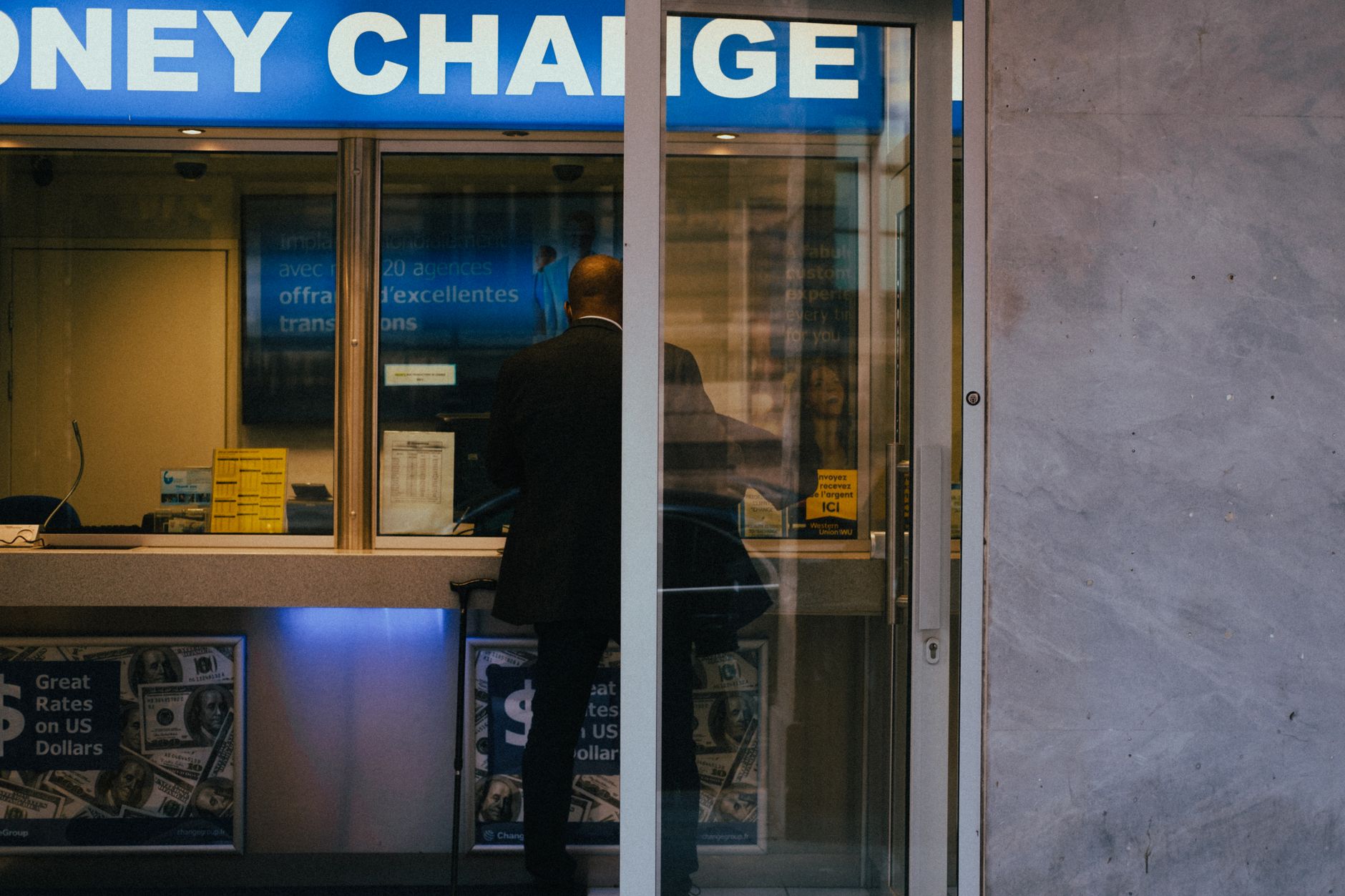
International precedent does not settle the debate but it does complicate the skeptics’ position. Postal banking operates in Japan, France, Germany, and New Zealand, among other countries, without any obvious systemic dysfunction. The Japanese postal savings system is one of the largest financial institutions in the world by deposit volume. None of these are fringe experiments in obscure markets – they are mainstream financial infrastructure in developed economies with functioning private banking sectors operating alongside them.
What the U.S. pilot has not yet tested is whether the USPS can handle the compliance architecture – anti-money laundering obligations, fraud monitoring, and the customer identity verification requirements that regulators impose on any institution holding deposits. Expanding from check cashing to actual deposit accounts is a qualitatively different challenge, and the outcome of that expansion will depend heavily on whether Congress funds it adequately or sets it up to fail by demanding full-service banking without full-service resources. A post office in rural West Virginia staffed by two employees cannot absorb a mandate designed for a branch bank without real investment in training and technology. That investment is what the current debate keeps circling without resolving.