





Farm Belt Bracing for Another Record Year
Federal crop insurance payouts have climbed sharply over the past several years, driven by a pattern of floods, droughts, and late-season freezes that have battered agricultural regions from the Mississippi Delta to the High Plains. The program, administered through the U.S. Department of Agriculture’s Risk Management Agency, now ranks among the federal government’s largest annual agricultural expenditures – and the trajectory is pointing upward.

The Scale of the Problem
Crop insurance in the United States is not a niche safety net. Roughly 90 percent of planted acres for major commodity crops – corn, soybeans, wheat, cotton – carry some form of federally subsidized coverage. When weather events cause losses across broad swaths of the Midwest and South simultaneously, the program absorbs claims from tens of thousands of producers at once. That concentration of risk is precisely what makes recent seasons so financially punishing for the system.
The most damaging events in recent memory have not been isolated to one crop or one region. The 2012 drought remains the costliest single crop year on record for the federal insurance program, but the years since have produced a steady drumbeat of significant loss events rather than calm periods interrupted by occasional disasters. Successive dry summers in the western Corn Belt, derecho wind events that flattened standing corn across Iowa and Nebraska, and late spring freezes that caught fruit and nut growers unprepared have all fed into an upward claims trend that shows no sign of stabilizing.
What makes the current environment particularly difficult for program actuaries is the unpredictability of event types. Traditional insurance pricing models rely on historical loss data to set premiums and reserve levels. When extreme weather events occur more frequently, and when new event categories – like widespread flash drought that develops in weeks rather than months – enter the picture, the historical record becomes a less reliable guide. Premium structures have adjusted, but the adjustments lag behind actual loss experience, which means the federal government continues to absorb a significant share of indemnity payments that exceed collected premiums in hard years.
Farmers themselves are caught in a financial squeeze that insurance payouts only partially address. Indemnity payments cover a portion of lost revenue, but they rarely make a grower whole after a catastrophic season. Operating loans taken out in spring to cover seed, fertilizer, and equipment costs still come due in fall. When yields fall far below break-even thresholds, insurance proceeds go directly to servicing debt rather than providing working capital for the following year. For producers already operating on thin margins, even a partial loss can set off a cycle of deferred maintenance, reduced input spending, and eventually asset liquidation.
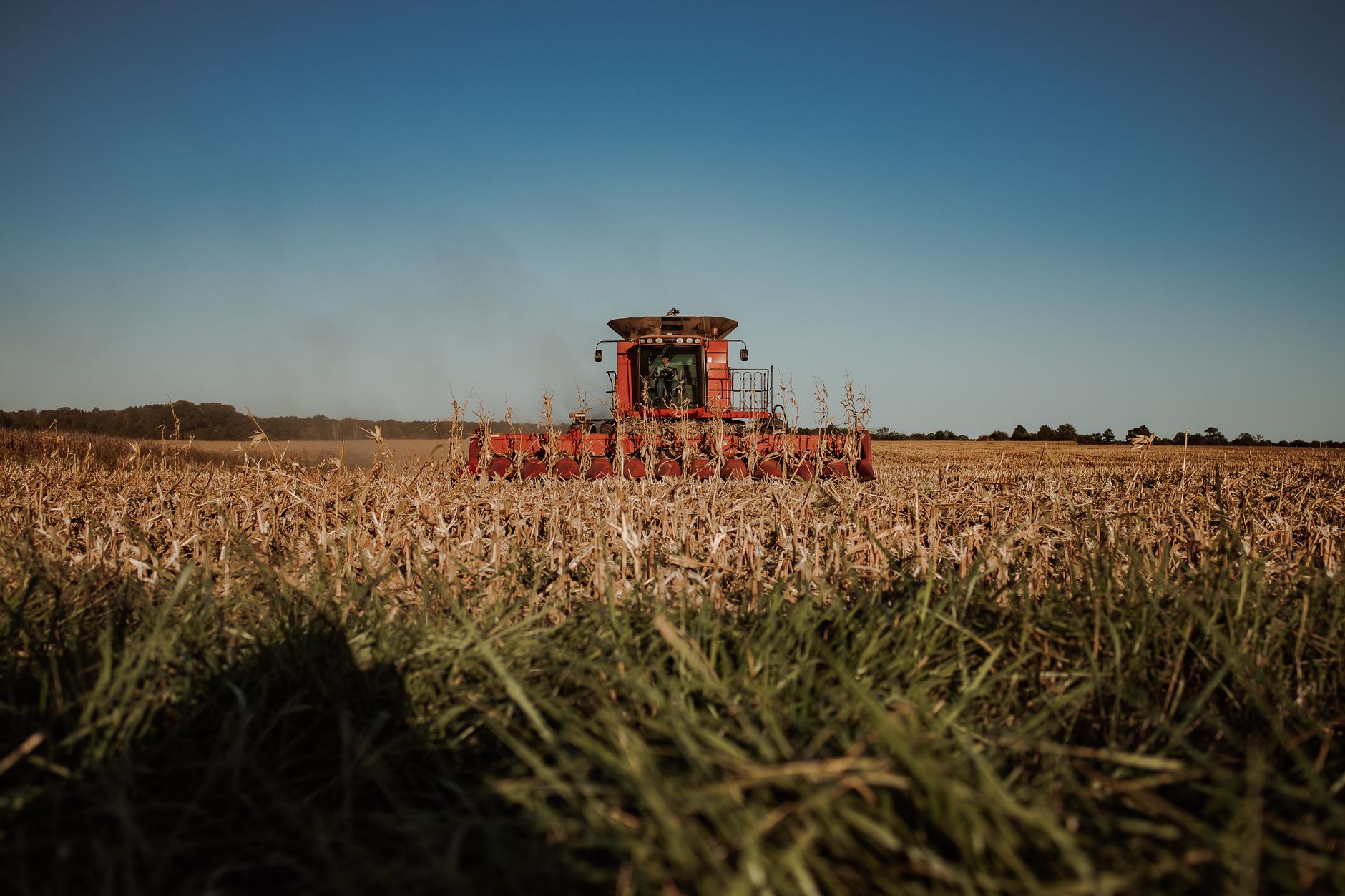
Where the Money Flows – and Where It Does Not
The structure of federal crop insurance creates winners and losers that do not always align with need. Large commodity operations in the Corn Belt receive the lion’s share of indemnity payments because they carry the most insured acreage. Specialty crop producers – vegetable growers, orchardists, small-scale diversified farms – have historically had fewer and less flexible coverage options available to them, though the USDA has worked to expand those offerings in recent farm bill negotiations.
The geographic concentration of payouts also raises questions about long-term resource allocation. If the same counties receive repeated indemnity payments year after year due to persistent drought or flooding patterns, the insurance program is effectively subsidizing continued production in areas where the economics of farming are deteriorating. Some agricultural economists argue this discourages the kind of land-use adaptation – shifting to drought-tolerant crops, fallowing marginal acres, transitioning to livestock – that would reduce both farmer risk and program exposure over time. The program’s design rewards staying the course, which is not always the rational choice from a risk-management standpoint.
Reinsurance costs are rising too. The federal government purchases reinsurance from private markets to cap its exposure in catastrophic years, and those contracts have become more expensive as commercial reinsurers update their own risk models. That cost increase flows back into program administration expenses, which are ultimately borne by taxpayers. Private crop insurance companies that sell and service policies under the Standard Reinsurance Agreement with USDA operate on a fee structure that insulates them from the worst loss years – a design feature that keeps private capital in the market but has long drawn criticism from budget watchdog groups who see it as an outsized subsidy to the insurance industry itself.
The farm supply chain that supports agricultural production is under its own set of pressures. Disruptions to planting schedules caused by wet springs delay fertilizer application windows, which in turn affects ordering patterns for distributors and retailers. When large swaths of the Corn Belt come out of an adverse season, the ripple effects reach equipment dealers, grain elevators, and rural banks – the entire infrastructure that makes commercial farming possible. Long-haul trucking shortages that were already stressing agricultural logistics before recent weather seasons have compounded the problem of getting crops to market on compressed timelines after delayed harvests.
Congressional appetite for reforming the crop insurance program runs into a familiar wall: farm-state lawmakers on both sides of the aisle treat the program as politically untouchable, and any effort to reduce premium subsidies or tighten eligibility gets framed as an attack on rural America. The result is a program that continues to expand in cost without a serious structural debate about whether current incentives are producing the outcomes – financially stable farms, sustainable land use, responsible risk-taking – that justify the public investment.
What Comes Next for Farmers and Taxpayers
The next farm bill negotiation will bring crop insurance reform back to the table, but the outcome is far from certain. Proposed changes to premium subsidy rates, conservation compliance requirements as a condition of coverage, and expanded coverage for historically underserved producers all have vocal advocates and equally vocal opponents. The program’s cost trajectory gives budget negotiators a reason to push for changes, but the political math in farm states has not shifted enough to make meaningful reform likely.

What is clear is that the status quo carries an escalating price tag. The federal government paid out more in crop insurance indemnities during the past decade than in any comparable period in the program’s history, and the underlying weather conditions that drove those payments are not returning to historical norms. At some point, the question stops being whether the program needs reform and starts being who bears the cost of delay – farmers waiting on inadequate payouts, taxpayers funding a program priced for a climate that no longer exists, or rural communities watching the financial foundation of their economies slowly erode.
Frequently Asked Questions
How does federal crop insurance work?
Farmers purchase federally subsidized policies through private insurers approved by USDA. When weather causes yield or revenue losses, indemnity payments offset a portion of the loss based on coverage level chosen.
Why are crop insurance costs rising?
More frequent and severe weather events across major growing regions are generating larger and more widespread claims, while premium structures have been slow to fully adjust to current loss experience.