





The Price of Gridlock
Port congestion is no longer a supply chain footnote – it is a direct tax on every business that moves goods through American terminals. Ships sitting at anchor for days, warehouses overwhelmed, truckers idling in queues that stretch miles from terminal gates: the cost accumulates fast, and it accumulates visibly. When a vessel misses its berthing window, the ripple effect runs backward through the entire supply chain, delaying inventory, inflating freight rates, and squeezing margins for retailers and manufacturers alike.
That pressure is forcing a conversation that labor unions and port operators have circled for years without resolution. Automation – robotic cranes, automated guided vehicles, AI-driven cargo tracking – can move containers faster and with fewer scheduling bottlenecks. The question now is not whether automation works. It is who pays the price when it arrives, and what the industry owes the workforce it displaces.
What Congestion Actually Costs
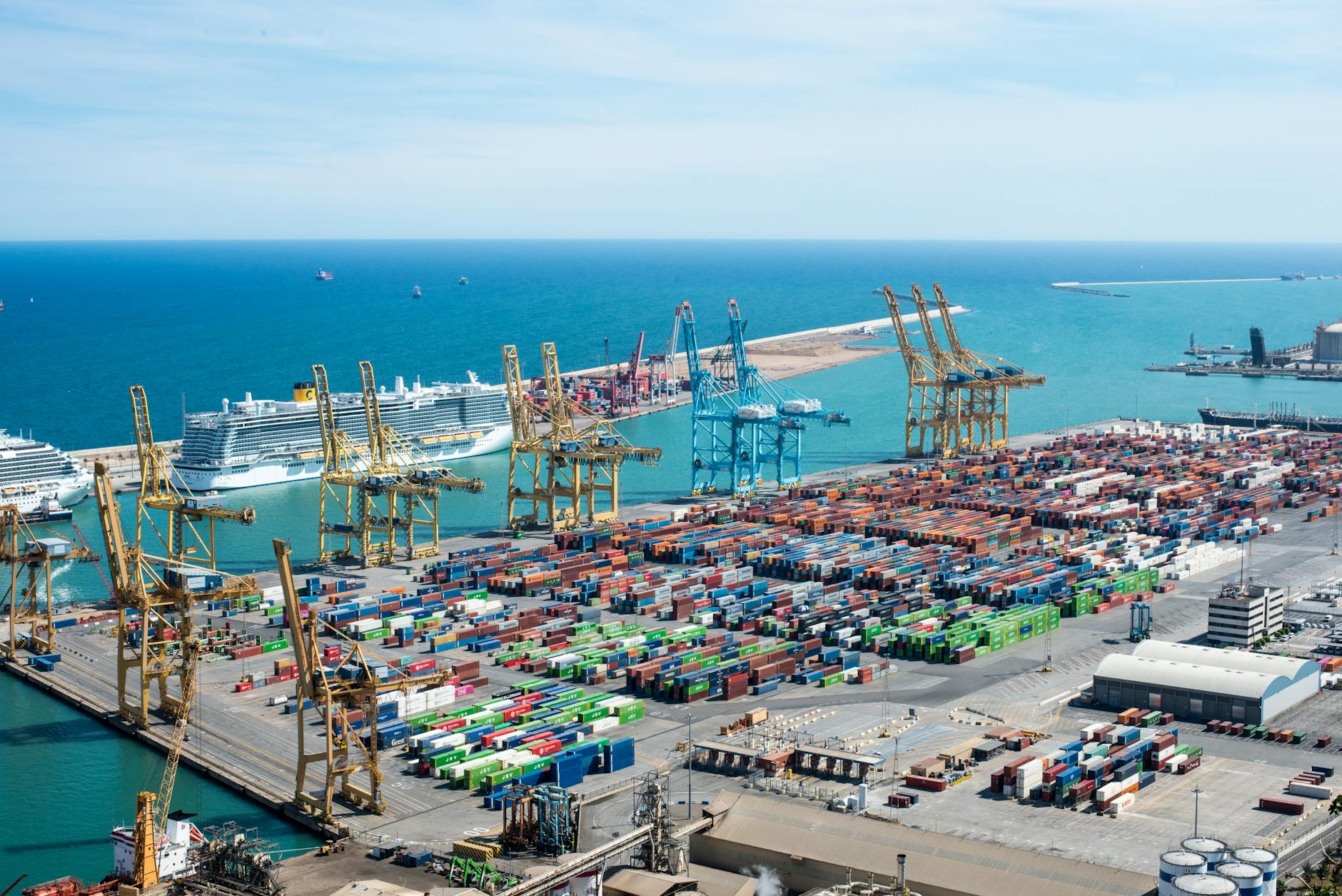
The financial damage from port delays is not abstract. Freight rates surge when terminal capacity is constrained, because carriers have limited options and shippers have limited leverage. Demurrage and detention fees – charges levied when containers sit too long at terminals or return late to depots – can add thousands of dollars per container to a single shipment. For small importers operating on thin margins, a few bad weeks at a congested port can wipe out an entire quarter’s profit.
Beyond individual businesses, congestion erodes national competitiveness. Asian ports in Singapore, Busan, and Shanghai have invested heavily in automation over the past decade and now process containers at throughput rates that American terminals struggle to match. The gap matters when global manufacturers are choosing where to route their cargo. A port that cannot guarantee reliable turnaround times loses business not just for one season but structurally, as shipping alliances reroute their services toward more predictable terminals.
The congestion crisis that choked West Coast ports in 2021 and 2022 brought these vulnerabilities into sharp focus. Cargo backed up for weeks, retailers could not stock shelves reliably, and the phrase “supply chain disruption” entered mainstream conversation. While conditions have eased since then, the structural constraints that caused the crisis – aging equipment, manual processes, labor shortages during peak periods – have not been resolved. Another demand surge, another weather event, another labor slowdown could recreate the same bottlenecks.
Where Negotiations Stand
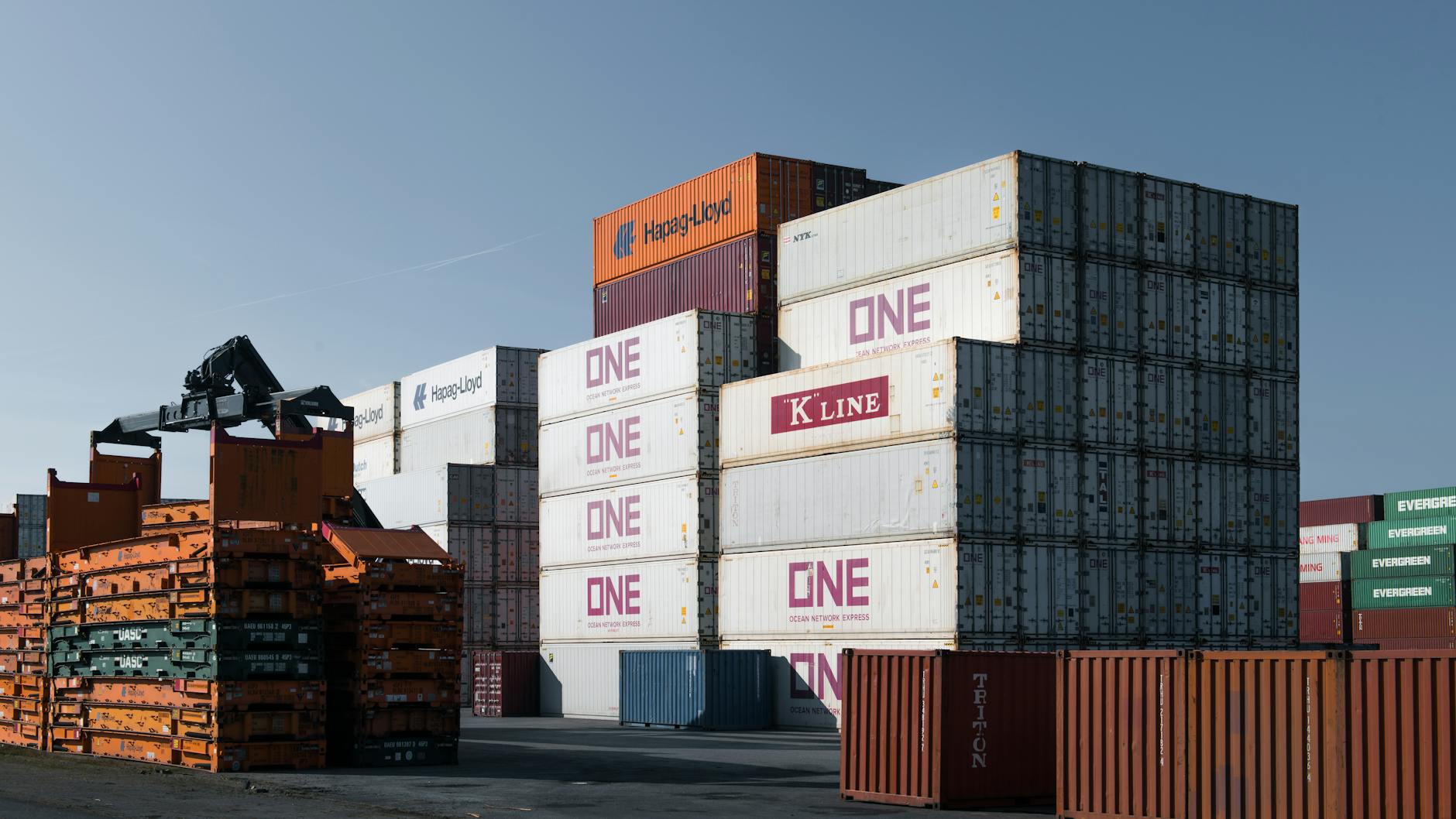
The International Longshoremen’s Association and the United States Maritime Alliance struck a tentative wage deal in late 2024, but the thorniest issue – automation – was explicitly deferred. Both sides agreed to continue negotiations on that front, which means the fundamental conflict remains open. The ILA has been direct about its position: it opposes technologies that reduce headcount, and it wants contractual protections written into any future agreement before a single automated system goes live at a covered terminal.
Port operators and shipping companies argue the opposite – that without automation investment, American ports will continue losing ground to global competitors, ultimately threatening the long-term viability of the jobs that remain. Neither side is wrong on the economics. The tension between those two accurate observations is exactly why the talks keep stalling.
The Automation Argument in Detail
Automated terminals do not eliminate workers entirely. They shift the labor mix. The grunt-work roles – operating cranes manually, driving yard equipment – shrink. The technical roles – maintaining robotic systems, monitoring AI software, handling exceptions the machines cannot process – expand. The problem is that the workers who lose the first category of jobs are rarely positioned to fill the second without significant retraining investment, and the industry has not historically been enthusiastic about funding that transition at scale.
The Port of Los Angeles and the Port of Long Beach have both experimented with semi-automated terminals, and the operational results have been mixed in ways that complicate the industry’s argument. Some automated facilities took years to reach the throughput efficiency that operators projected, because integrating robotic systems with existing port infrastructure is genuinely difficult. Early adopters encountered software failures, incompatibilities with older terminal layouts, and productivity dips during the transition period. That record gives union negotiators real ammunition when they push back against claims that automation is a straightforward upgrade.
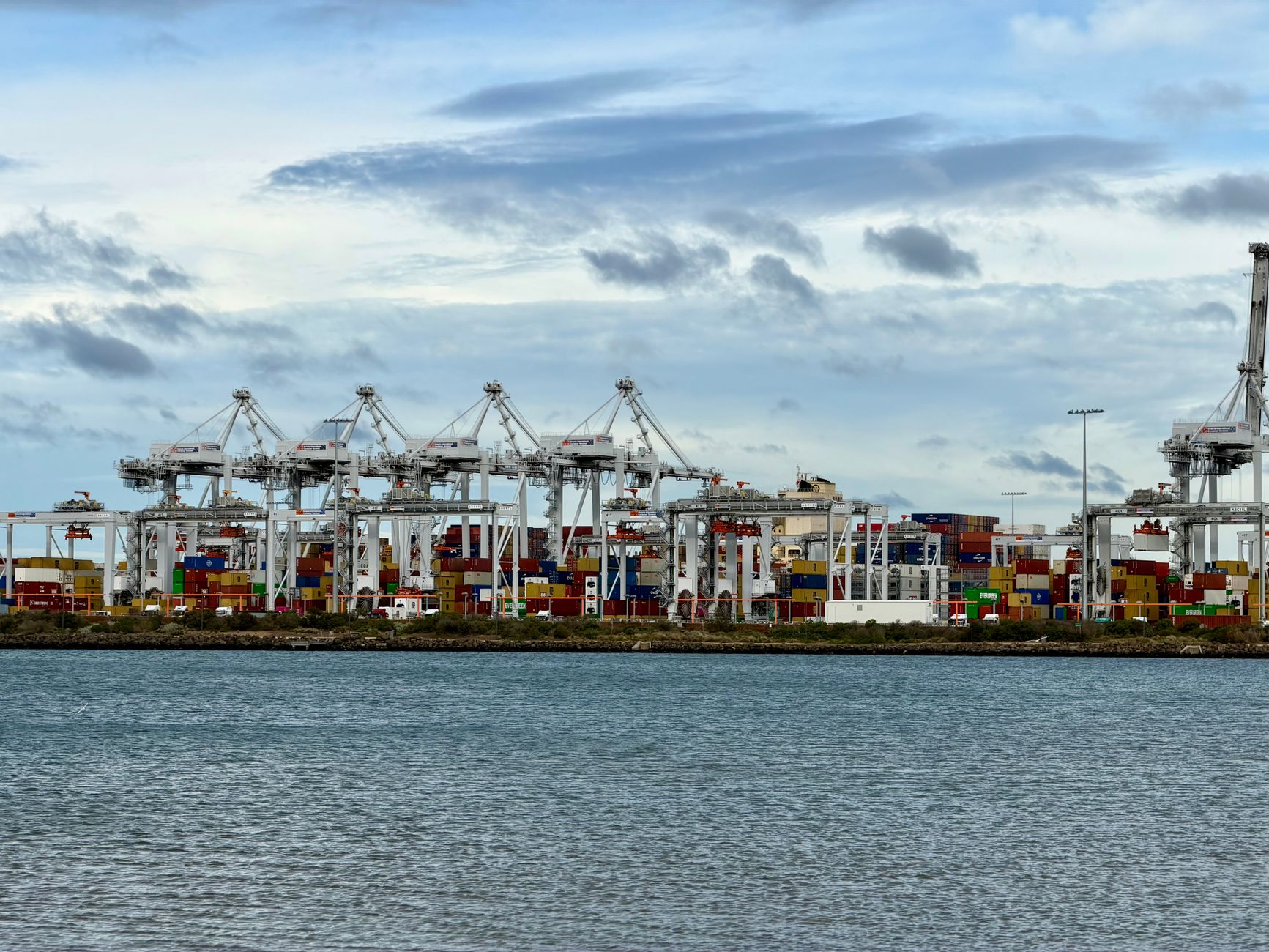
Still, the direction of travel is clear. Terminal operators are not going to walk away from technology that reduces per-container handling costs over the long run. The business case is strong enough that some level of automation is coming regardless of how the current negotiations end – the only variable is the speed and the terms. A negotiated transition with retraining commitments, job guarantees for current workers, and advance notice periods would look very different from a unilateral rollout following a contract dispute. The ILA understands this, which is why it is negotiating hard now rather than fighting an implementation that has already happened.
What makes the current moment distinct from previous rounds of automation talks is the scale of the financial pressure pushing both sides. Shipping companies are posting weaker earnings as freight rates normalize after the pandemic-era surge, and they need to cut costs somewhere. Port operators are watching cargo volumes shift toward Gulf Coast and East Coast terminals that offer lower costs and – in some cases – newer infrastructure. The window for American ports to make a credible case to shipping alliances is not indefinite. If major container lines conclude that domestic terminals cannot offer competitive turnaround times at competitive cost, they will continue routing more volume elsewhere, and the jobs that automation would have threatened will disappear anyway – just without the technology or the negotiating leverage to shape what comes next.
Frequently Asked Questions
Why are port automation negotiations happening now?
Mounting congestion costs, weaker shipping earnings, and competition from more efficient foreign ports have pushed operators to accelerate automation investment, forcing renewed talks with the ILA.
Does port automation eliminate all dockworker jobs?
Not entirely – it shifts the labor mix, reducing manual operating roles while increasing demand for technical maintenance and monitoring jobs, though current workers rarely transition automatically.