





America’s Rail Network Is Buckling Under Its Own Success
Intermodal freight – cargo moved in standardized containers across both rail and truck – has grown faster than the infrastructure meant to carry it. The result is a system where demand and capacity are pulling in opposite directions, and the friction is starting to cost shippers, retailers, and consumers real money.
The Congestion Problem Has Layers
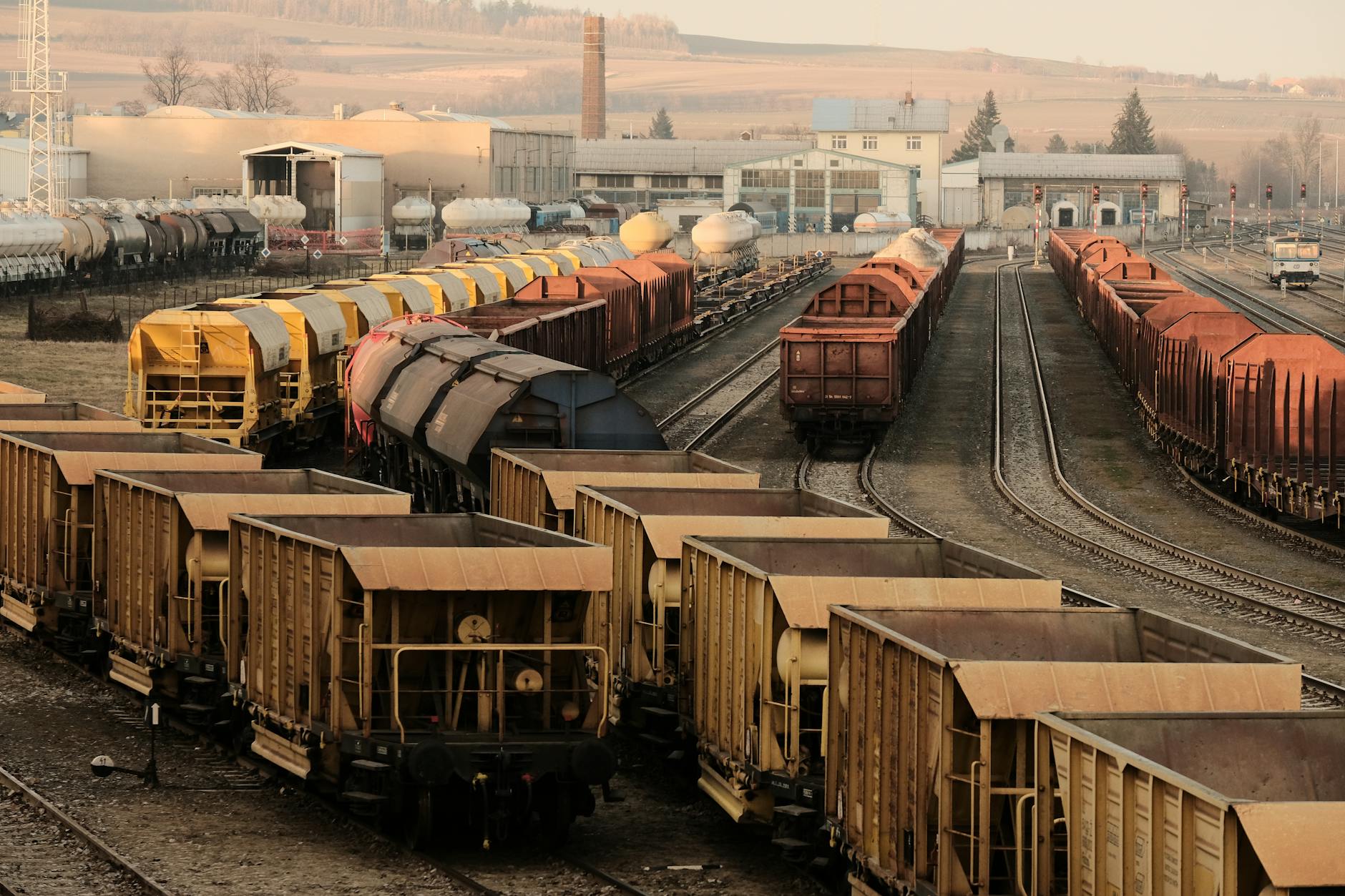
At its core, the bottleneck is a geography problem. The major intermodal hubs – Chicago, Los Angeles, Memphis, Dallas – were designed for freight volumes that are now a decade out of date. Chicago alone routes a staggering share of cross-country rail traffic, making it the single most consequential choke point in the entire North American freight network. When trains stack up there, delays ripple outward in both directions, east and west, like a traffic jam on an invisible highway.
The terminals themselves are only part of the issue. Double-stack container trains require specific clearances that older rail corridors simply do not have. Tunnels built in the early twentieth century, bridges rated for lighter loads, and curves that cap train speeds – all of these physical constraints act as invisible speed limits on capacity expansion. Rebuilding or rerouting around them takes years of permitting and hundreds of millions of dollars per project, which means the backlog of needed upgrades keeps growing faster than the fixes arrive.
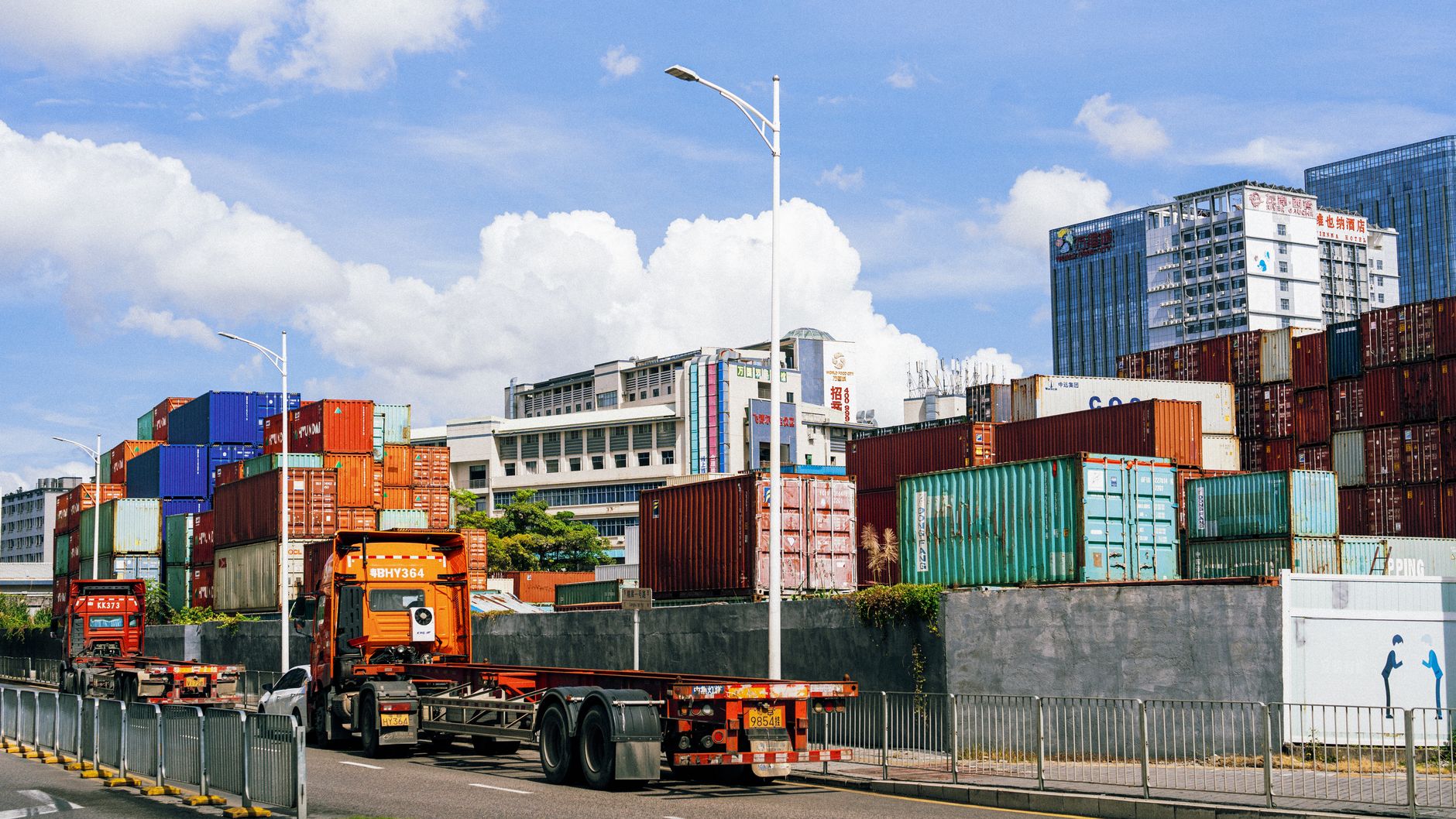
Chassis availability compounds everything. When a shipping container arrives at a terminal, it needs a chassis – the wheeled trailer frame that lets a truck haul it. Chassis fleets are owned by a patchwork of leasing companies, ocean carriers, and pool operators whose incentives do not always align with terminal efficiency. During periods of high volume, chassis shortages can leave containers sitting for days even after a train unloads, which blocks terminal slots and slows the entire operation. The container does not move until a chassis shows up, and the train cannot reload until the container moves.
Labor agreements add another layer of rigidity. Class I railroads – the seven large carriers that control most of the U.S. network – operate under national labor contracts that govern crew size, scheduling, and work rules. These agreements, while protecting workers from arbitrary conditions, also limit how quickly railroads can scale operations during demand spikes. Hiring and training a qualified locomotive engineer takes the better part of a year, which means workforce expansion always lags a freight surge by several quarters.
Why Intermodal Demand Keeps Climbing Anyway
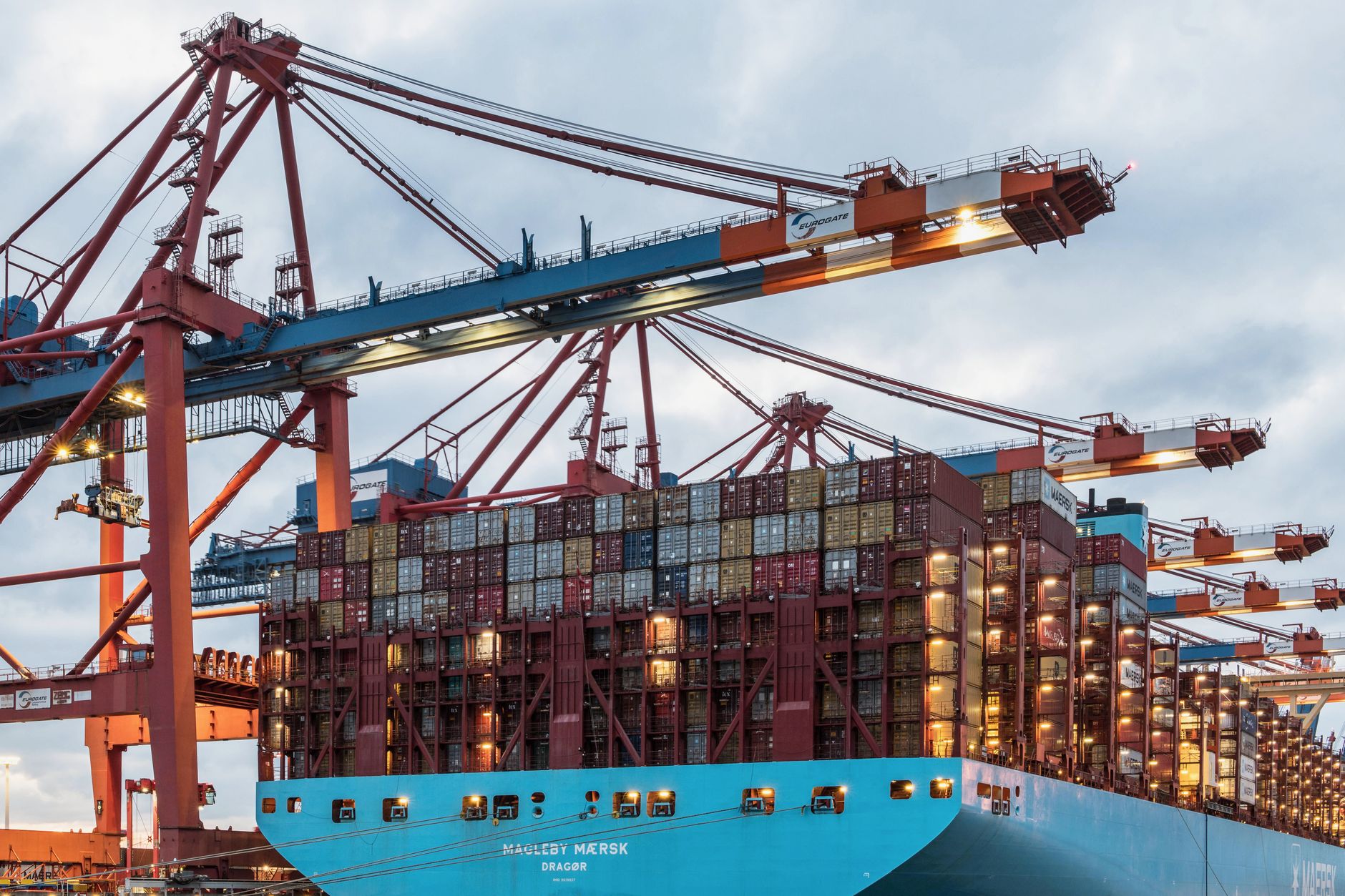
Rail intermodal is, under normal conditions, significantly cheaper than long-haul trucking for loads moving more than 700 miles. The fuel economics alone are decisive – rail moves a ton of freight roughly four times as far on a single gallon of diesel as a truck does. For large retailers managing thin margins on high-volume goods, that difference is not a rounding error. It is a core input cost that procurement teams protect aggressively.
The trucking industry’s own capacity problems have pushed more shippers toward rail over the past several years. A persistent shortage of long-haul truck drivers, rising insurance premiums for carriers, and escalating equipment costs have made truck rates volatile and sometimes unavailable on short notice. When trucking capacity tightens, intermodal looks more attractive even at the cost of slightly longer transit times. That calculus has steered a meaningful volume of freight onto rail that previously would have moved entirely by road.
E-commerce has reshaped the demand pattern in ways the rail network was not designed to handle. Traditional retail shipping moved in large, predictable seasonal waves – holiday build-ups followed by quiet periods. Online retail demand is less seasonal and more continuous, which means intermodal terminals no longer get the breathing room they once had to clear backlogs and reset operations. Volume peaks arrive faster, last longer, and stack on top of each other before the prior surge fully clears the system.
Near-shoring and supply chain restructuring have added new freight flows that did not exist a few years ago. Companies moving production from Asia to Mexico are generating cross-border intermodal traffic that strains the southern gateways – Laredo in particular – and the connecting rail corridors heading north. This is not a temporary adjustment. It is a structural change in where goods are made and how they reach U.S. consumers, and the infrastructure investment needed to match it has not materialized at the same pace.
Investors and pension funds have poured capital into industrial real estate – warehouses and distribution centers – close to major rail hubs, betting that intermodal volumes will keep growing. That investment itself creates a self-reinforcing cycle: more warehouse capacity near terminals attracts more shippers, which increases terminal demand, which deepens congestion. The real estate play is rational at the individual level, but collectively it accelerates the mismatch between where freight wants to go and how much throughput the terminals can actually handle.
What Relief Looks Like – and What It Does Not
The Infrastructure Investment and Jobs Act allocated funding for freight rail improvements, including projects targeting the most congested corridors. Some of that money is moving toward tunnel clearance upgrades and new intermodal facilities. But major rail capital projects operate on timelines measured in years, and the shippers dealing with dwell-time charges and missed delivery windows are dealing with that pain right now. Federal funding is a long-term correction applied to a short-term operational crisis.
Some carriers are experimenting with scheduled railroading models that prioritize consistency over pure volume, moving trains on fixed timetables rather than assembling them only when they are fully loaded. The approach has shown real results in reducing terminal dwell times, but it requires shippers to accept less flexibility in when their freight moves – which conflicts directly with the just-in-time expectations that e-commerce and modern retail have built their logistics around. The tension between what the network needs operationally and what shippers expect commercially has no easy resolution, and until that gap closes, congestion will remain the system’s default state.