





A Contract Fight With National Consequences
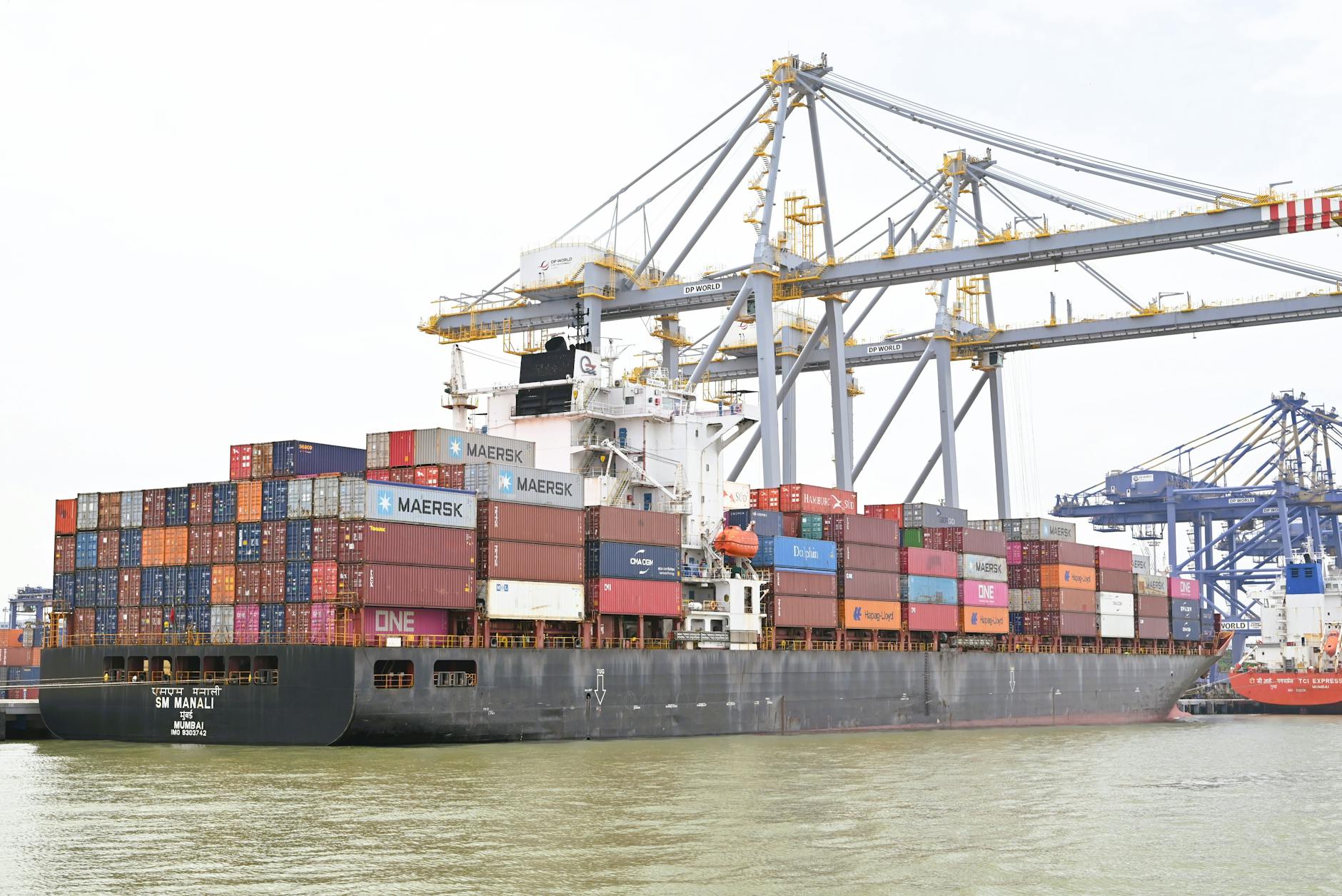
The International Longshoremen’s Association and the United States Maritime Alliance have been circling each other for months, and the friction is starting to show in ways that reach far beyond the docks. Negotiations covering roughly 45,000 port workers across East Coast and Gulf Coast terminals have stalled repeatedly, raising the prospect of a work stoppage that would affect nearly half of all U.S. oceangoing cargo volume. The last time a strike actually hit these ports, in October 2024, it lasted only three days before a temporary deal was reached – but that brief shutdown was enough to rattle supply chains across the country.
The core dispute is automation.
The ILA secured wage increases in that 2024 framework agreement, but the question of which machines can replace which workers was deliberately left unresolved, pushed to a later negotiating table. That table is now the center of gravity for the entire standoff. Union leadership has made clear it will resist any contract language that opens the door to automated cranes, guided vehicles, or scanning equipment that displaces dockworkers. Port operators, facing pressure to cut costs and speed throughput, want the flexibility to modernize. Those two positions do not move easily toward each other.
What a Stoppage Would Actually Cost
A prolonged strike on the East and Gulf Coasts would not be a localized disruption. The ports of New York and New Jersey, Savannah, Baltimore, Houston, and Charleston collectively handle a massive share of U.S. imports and exports, from consumer electronics and clothing to agricultural products and automotive parts. When cargo cannot move through these terminals, it does not simply wait – it reroutes, gets delayed, or sits in containers that are already in short supply globally. The costs compound quickly across every node in the supply chain.
Retailers and importers who spent years rebuilding inventory buffers after the 2021-2022 supply chain crisis have recently been working to keep stock levels lean, partly in response to tariff pressure that has already increased import costs. A port shutdown would eliminate whatever margin of flexibility those businesses have left. Small and mid-size importers, who lack the leverage to negotiate emergency air freight contracts or reroute cargo through West Coast ports, would feel the pressure fastest and most directly.
Agricultural exporters face a different but equally serious problem. The Southeast and Gulf ports are critical exit points for U.S. soybeans, grain, and cotton. A work stoppage during peak export windows does not just mean delayed shipments – it means missed contracts, potential penalties, and the kind of reputational damage with overseas buyers that takes years to repair. For farming communities already navigating tight margins and uncertain weather, that is not a theoretical concern.
The Automation Question Will Not Go Away
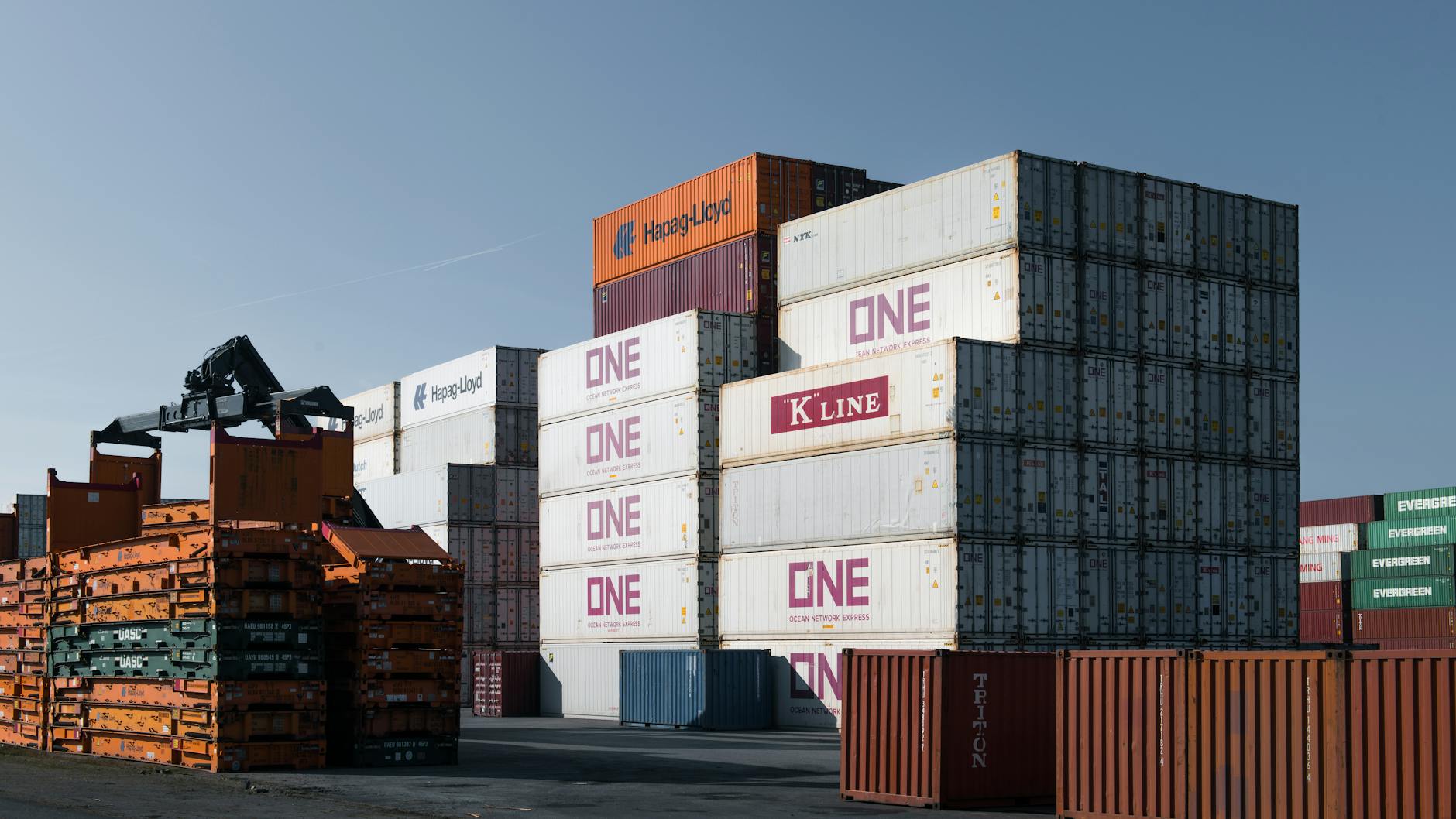
Port automation is not a new idea – terminals in Rotterdam, Singapore, and Long Beach have deployed various forms of it for years. What makes the current fight different is the scale of what operators want to introduce and the speed at which the technology has matured. Modern automated guided vehicles and remote-operated cranes are no longer experimental. They work, they reduce per-container handling costs, and they require far fewer human operators. From a business standpoint, the case for adoption is straightforward.
From the union’s standpoint, it is a different calculation entirely. The ILA represents workers who have spent careers building specialized skills around physical cargo handling. These are high-wage, middle-class jobs that provide the kind of stability and benefits that are increasingly hard to find in blue-collar sectors. Every automated terminal that comes online in Europe or Asia is a data point the union knows management will eventually use in contract talks. The resistance is not simply about protecting existing jobs – it is about preventing the entire occupational category from being engineered out of existence over the next decade.
There is a version of a deal where some form of automation is permitted in exchange for job guarantees, retraining funds, or revenue-sharing arrangements. The port of Gothenburg in Sweden reached something like this with its unions years ago, and it is frequently cited as a model. Whether that kind of framework can work within the ILA’s structure and culture is genuinely uncertain. The union’s membership tends to be skeptical of technology agreements that promise future protections in exchange for present concessions – and given what happened to other unionized industries that made similar bargains, that skepticism is not unreasonable.

The Clock Is Running
Businesses that depend on East Coast ports are not waiting to find out how the negotiations end. Freight forwarders report that a growing number of shippers have already begun quietly diverting cargo to West Coast ports, booking contingency air freight for high-value goods, and pushing up order timelines to build inventory ahead of a possible disruption. Every week the contract remains unresolved, that defensive repositioning accelerates – and the economic cost of uncertainty accumulates even without a single day of actual work stoppage. The question now is whether both sides have more to lose from a strike than from the compromises a deal would require, and that calculation has not yet produced an answer either side seems willing to sign.
Frequently Asked Questions
What are the ILA contract talks about?
The main dispute is over automation at East and Gulf Coast ports, with the ILA resisting technology that could replace dockworkers and operators pushing for modernization flexibility.
How would a longshoremen strike affect consumers?
A prolonged strike would delay imports of consumer goods, raise shipping costs, and create shortages in categories like electronics and clothing as cargo backs up or reroutes.