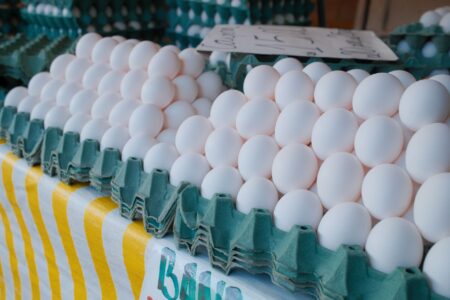





When a Dozen Eggs Becomes an Economic Indicator
Egg prices have a long history of moving faster than the rest of the grocery store – spiking in response to avian flu outbreaks, then retreating just as quickly. But the current stretch of elevated prices is behaving differently. What started as a supply-side disruption has lingered long enough to alter how households budget, how retailers price adjacent products, and how economists read the broader inflation picture. A carton of eggs, once a byword for affordable protein, is now quietly pulling at the seams of the consumer price index in ways that don’t always show up in the headline number.
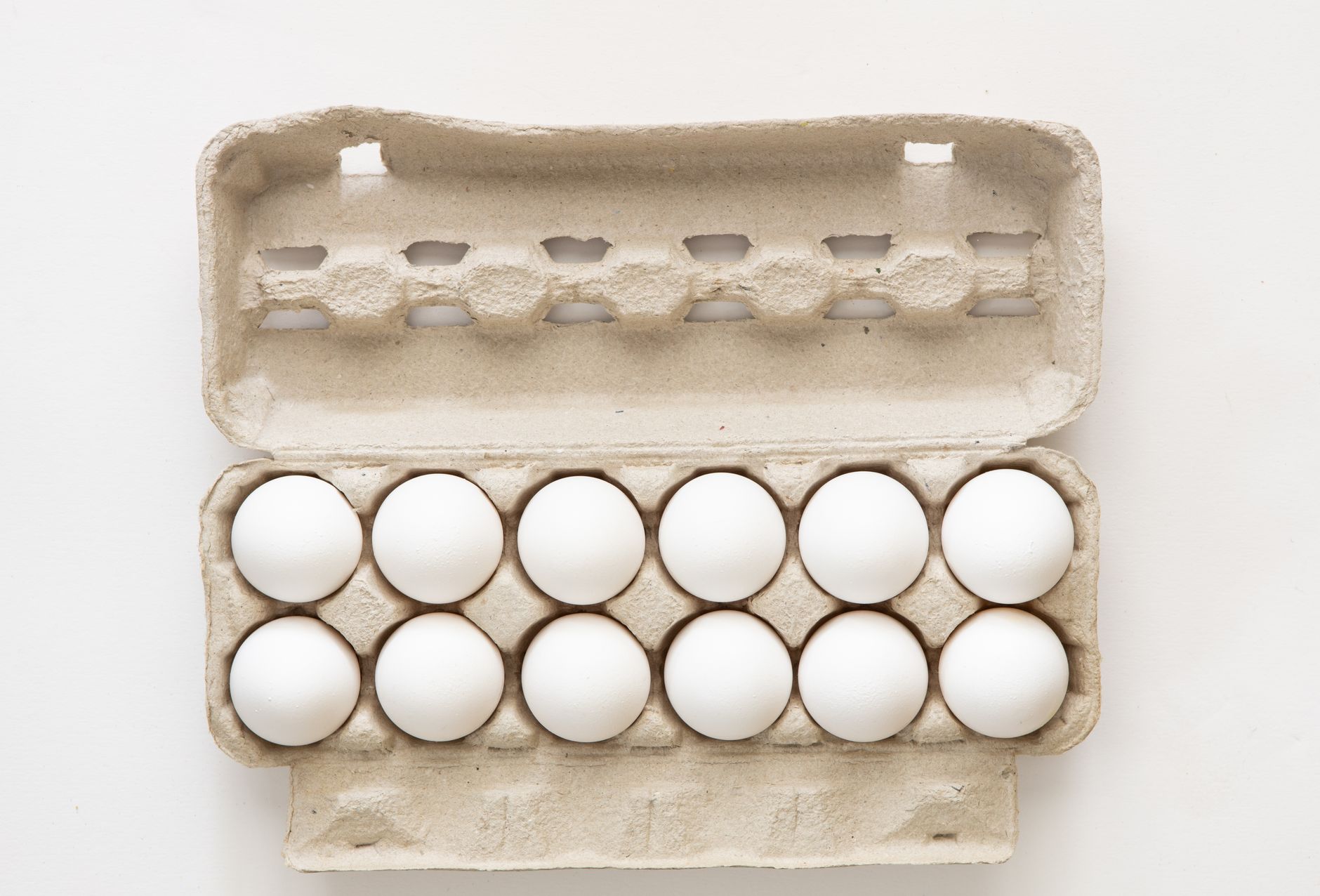
The most recent outbreak of highly pathogenic avian influenza wiped out tens of millions of egg-laying hens across commercial flocks, and the rebuilding process is slow by design – hens take months to mature, and biosecurity requirements mean producers cannot simply repopulate overnight. That supply constraint pushed retail egg prices to record highs in early 2025, and while prices have pulled back from their peak, they remain elevated enough that grocery shoppers are noticing and, more importantly, adjusting.
How Egg Prices Distort the CPI Math
The Consumer Price Index assigns different weights to different categories, and eggs – sitting within the “meats, poultry, fish, and eggs” cluster – carry enough weight to meaningfully move the food-at-home subcategory when prices swing hard. When eggs surge, the food-at-home index rises even if prices elsewhere in the store are stable. That creates a statistical distortion: the headline grocery inflation number looks worse than the lived reality for households that swap eggs out of their shopping cart entirely, and better than reality for those who buy more because they’re substituting away from pricier proteins.
This substitution effect is where the inflation calculus gets genuinely complicated. When eggs were cheap, they were the fallback – the protein you bought when beef was too expensive. Now, with eggs expensive, the fallback hierarchy has shifted. Canned fish, dried lentils, tofu, and chicken thighs are all picking up demand that eggs used to absorb. That demand shift pushes prices in those categories higher, spreading the inflationary pressure outward in a way that standard CPI reporting doesn’t immediately capture.
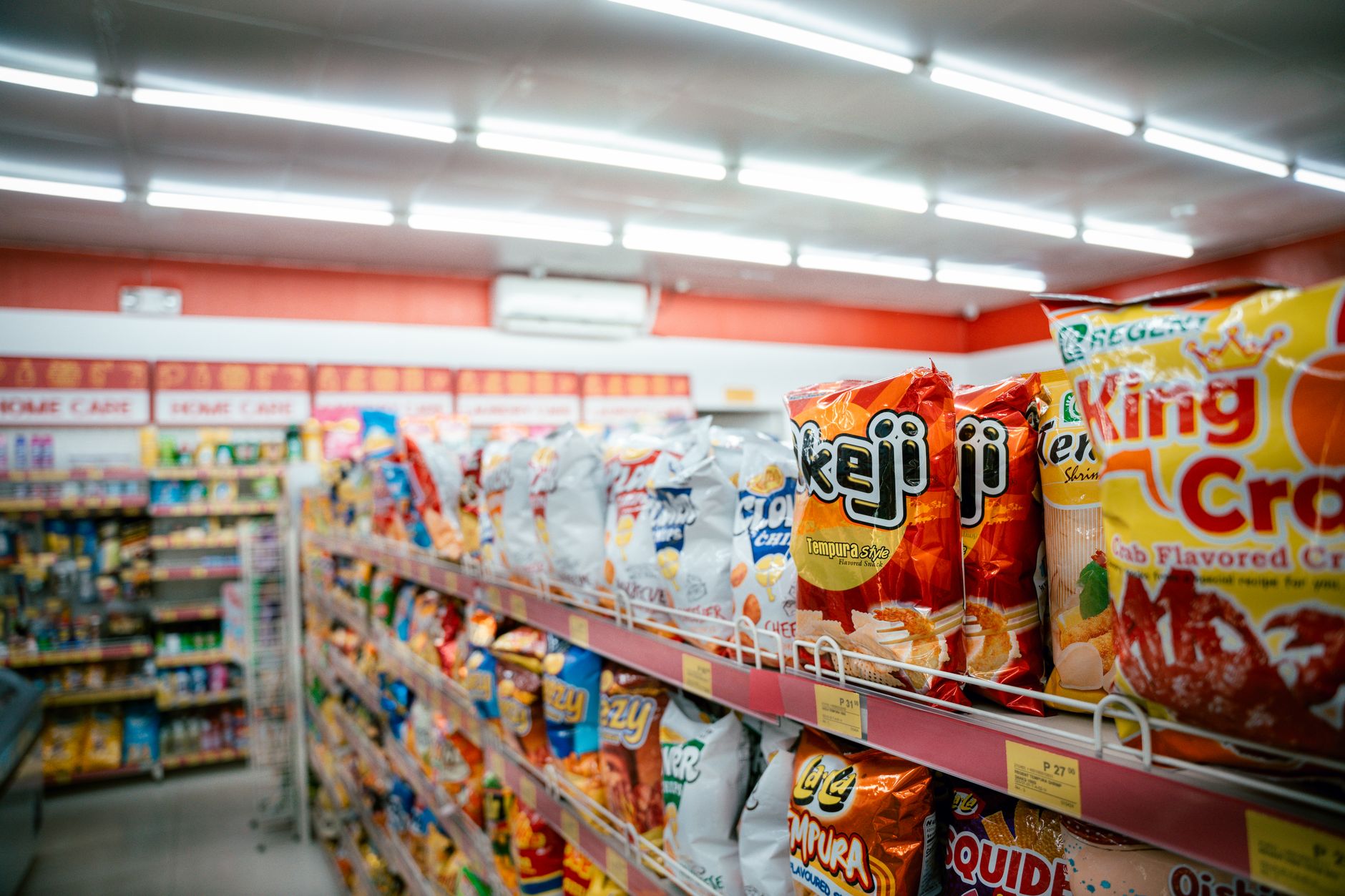
Retailers face their own arithmetic problem. Eggs have traditionally been a loss-leader category – sold at thin margins or even below cost to drive foot traffic. When wholesale egg costs spike, grocers must choose between absorbing losses, raising shelf prices, or quietly compressing margins elsewhere in the store to cross-subsidize. Many have chosen a combination of all three, which means the true cost of egg inflation to the grocery sector is larger than what the price tag on the egg carton suggests.
Private-label egg brands are winning market share in this environment, as shoppers who can’t avoid buying eggs hunt for the cheapest available option. That shift toward store brands has margin implications for the national branded producers who had grown accustomed to commanding a premium. When the current price spike eventually normalizes, those brand loyalties may not fully recover – a structural consequence that extends beyond the immediate price shock.
The Household Budget Reality
For lower-income households, the egg price spike lands harder than the national average suggests. These households allocate a larger share of total spending to food, and within food, they rely more heavily on low-cost proteins. Eggs at $5 or $6 a dozen represent a proportionally larger budget hit than for households in higher income brackets, and the substitution options – the canned fish, the dried lentils – require more time and preparation skill to use effectively. The inflation burden, already uneven across the income spectrum, gets further skewed by a commodity as basic as this one.
None of this is news to anyone managing a household budget month to month. What’s notable is how sustained the pressure has been. Temporary price spikes in a single category are usually absorbed and forgotten. A spike that runs for multiple quarters starts to change shopping habits, brand relationships, and even dietary patterns in ways that persist after the price itself comes down.
What the Supply Chain Looks Like From Here
Flock rebuilding is underway, and the USDA has tracked gradual increases in the laying hen population through early 2025. But the pace of recovery is constrained by the same biosecurity protocols meant to prevent another outbreak, and there is no guarantee another avian flu wave won’t arrive before flocks are fully restored. The egg supply chain has shown repeatedly that it can be knocked sideways by a single disease event, and the industry’s relatively consolidated structure – a small number of very large producers dominating commercial supply – means a disruption to any one major producer ripples quickly through the whole market.
There is also a longer-term question about cage-free conversion costs. State-level mandates requiring cage-free housing have pushed producers to invest heavily in facility upgrades, raising the baseline cost of egg production even before any disease disruption enters the picture. Those costs were always going to be passed through to consumers eventually. The avian flu outbreak and the cage-free transition costs arrived simultaneously, compressing margins and accelerating retail price increases in a way that neither force would have produced alone.
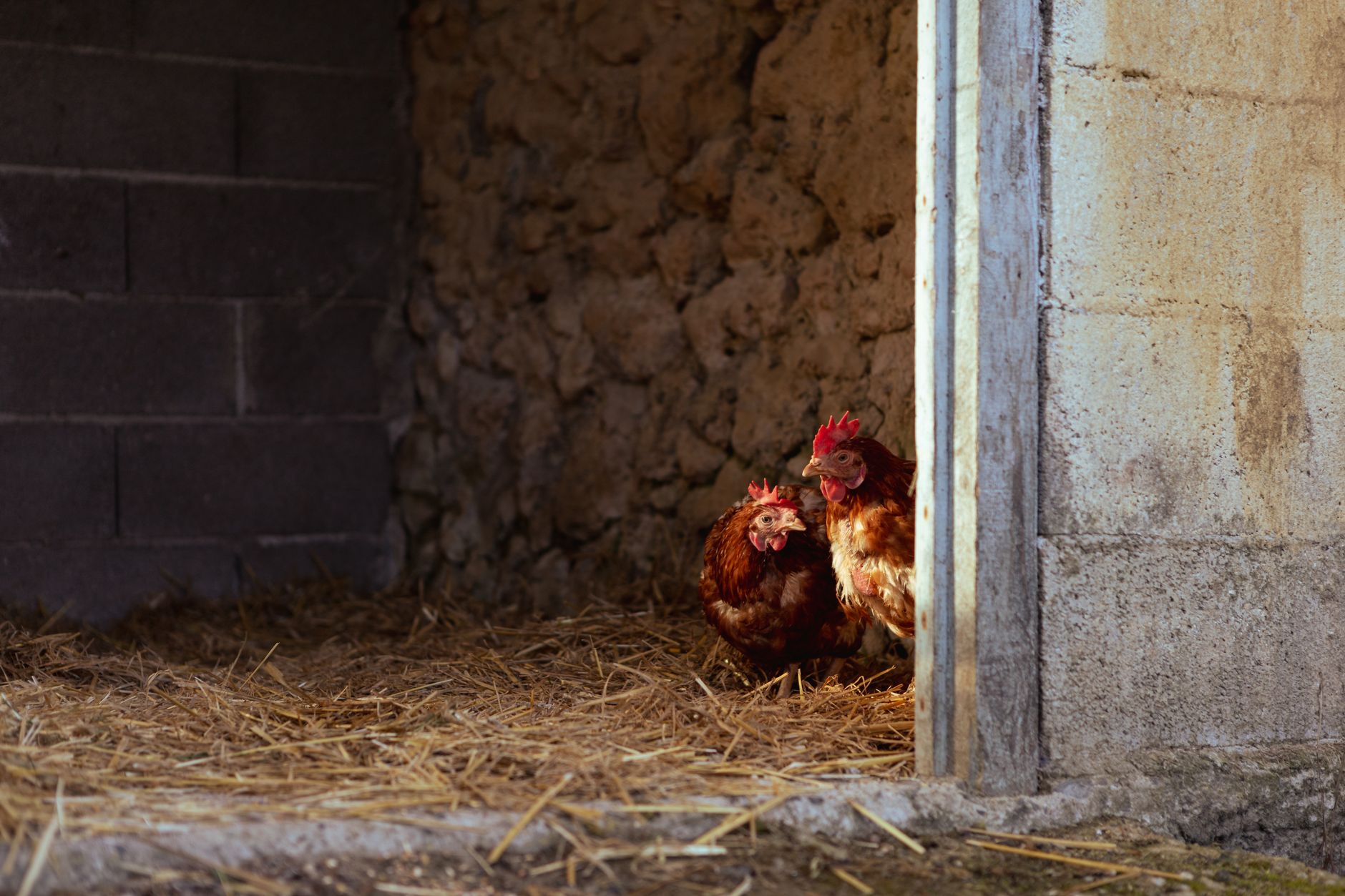
The Federal Reserve watches food prices closely but tends to look through short-term commodity spikes when setting policy – the logic being that food prices are volatile and mean-reverting, making them poor signals for underlying inflation trends. Eggs fit that description historically. But the current episode has lasted long enough that it is starting to show up in “food at home” measures in ways that core inflation calculations cannot entirely ignore. If egg prices remain elevated through mid-2025 and the substitution effects continue pushing adjacent protein prices higher, the distinction between “temporary food spike” and “embedded food inflation” becomes harder to maintain.
For now, the question hanging over the egg aisle is whether the current relief from peak prices is the beginning of a genuine normalization or just a pause before the next outbreak reshapes supply again. Commercial flock sizes are recovering, but they have not returned to pre-outbreak levels, and the spring migration season – historically the period when avian influenza spreads most readily through wild bird populations – arrives every year on the same schedule.
Frequently Asked Questions
Why are egg prices still high in 2025?
A major avian influenza outbreak decimated laying hen flocks, and rebuilding takes months. Cage-free conversion costs have also raised baseline production expenses.
How do egg prices affect the Consumer Price Index?
Eggs carry enough weight in the food-at-home category that large price swings move the overall grocery inflation reading, sometimes masking stability or pressure in other food categories.