



Grocery Shelves Feel the Pressure as Egg Costs Spike Again
Egg prices are climbing again, and grocery chains across the country are once again caught between absorbing cost increases and pushing them onto shoppers who are already stretched thin. The pattern is familiar: an H5N1 bird flu outbreak tears through commercial laying flocks, supply tightens, and retail prices jump weeks before most consumers see it coming. What makes the current situation more aggravating for retailers is that the recovery from the last major outbreak barely had time to settle before a new wave of infections started drawing down flock numbers again.
The economics of egg production make price volatility almost structurally inevitable when bird flu enters the picture. Commercial laying operations run on thin margins with high bird density, which means a single confirmed case can trigger the culling of hundreds of thousands of hens in one location. Rebuilding those flocks takes months, not weeks – pullets (young hens not yet laying) require roughly 17 to 20 weeks of raising before they produce their first egg, and that biological timeline cannot be compressed regardless of market pressure or retailer urgency. Supply simply cannot respond fast enough to match the speed of an outbreak.
Grocery chains are now navigating a supply chain problem that behaves nothing like traditional commodity inflation.
How Retailers Are Responding at the Store Level
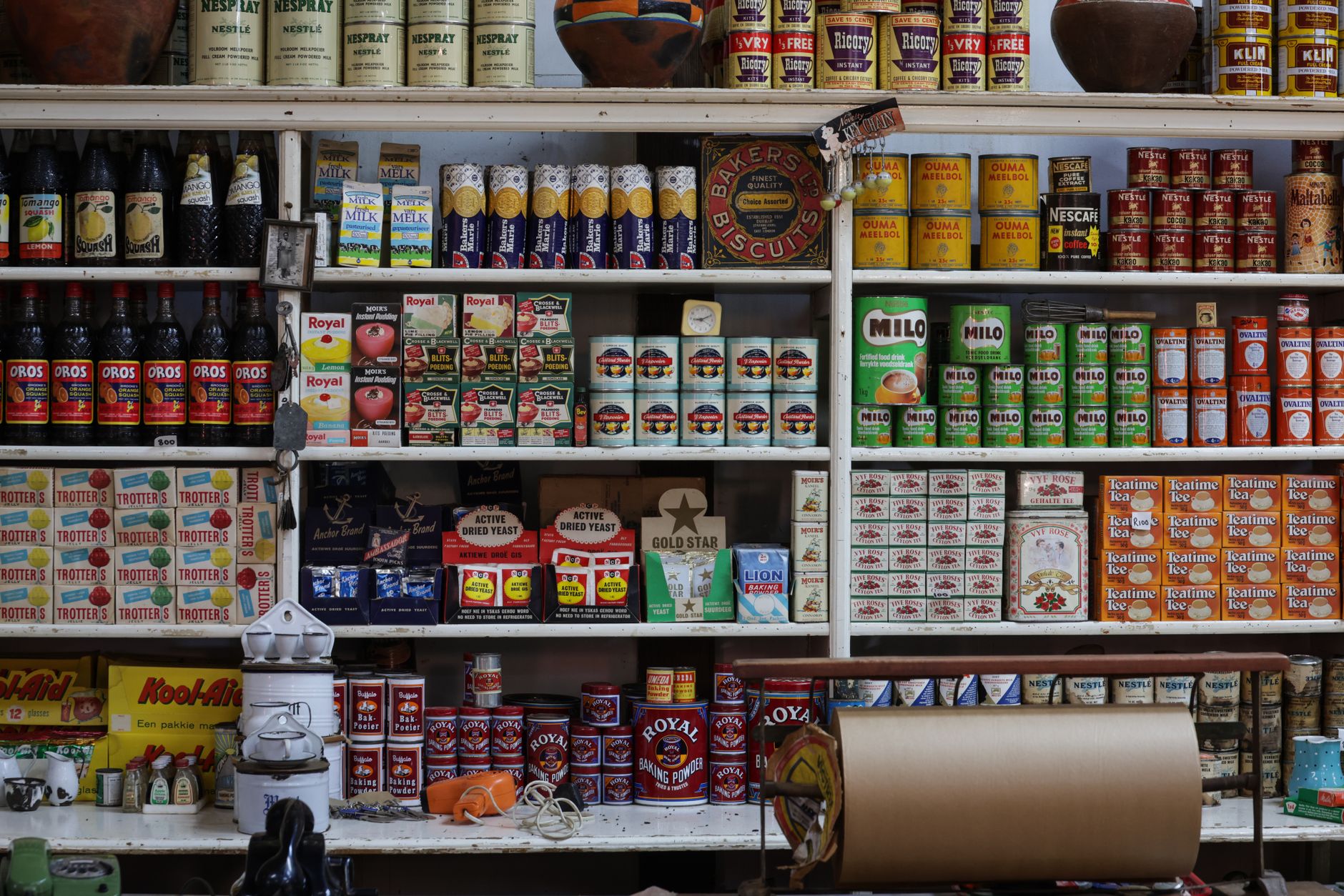
The most visible retail response has been purchase limits. Several large supermarket chains have moved to cap the number of cartons a single customer can buy, a strategy that manages inventory but does real damage to the shopping experience. Customers who remember staring at empty shelves during the last outbreak cycle are already preemptively buying extra, which accelerates the shelf-clearing problem rather than solving it. Retailers know this, but limits are a blunt instrument – they slow the panic without addressing the underlying supply gap.
On the pricing side, the tension between store brands and name brands is sharpening. Store-brand eggs have historically served as the budget anchor in the category, but when wholesale costs spike uniformly across all eggs, that anchor drags upward alongside everything else. Some chains are choosing to absorb a portion of the cost increase on private-label eggs to protect their price-sensitive customers while passing more of the increase onto branded cartons, where premium positioning gives them slightly more room to maneuver. This approach works as a short-term goodwill play but is not sustainable if wholesale prices stay elevated for two or more quarters.
Foodservice suppliers and restaurant groups are feeling a parallel squeeze. Eggs are a foundational ingredient in prepared foods, baked goods, and breakfast menus across every category of dining – from fast food chains to hotel banquet kitchens. When egg costs spike, these buyers often face long-term contract pricing that no longer reflects market reality, forcing difficult renegotiations or early contract exits. Some food manufacturers are quietly reducing egg content in recipes where possible, substituting with egg replacers or adjusting formulation, though the options are limited and the quality trade-offs are not always invisible to the end consumer.

The Structural Weaknesses Bird Flu Keeps Exposing
Every outbreak cycle reopens the same policy debate: the U.S. egg industry’s geographic concentration and its dependence on large-scale confined operations create systemic fragility. A majority of commercial laying hens are concentrated in a relatively small number of high-density facilities, meaning a regional outbreak can remove a disproportionate share of national supply almost overnight. Biosecurity protocols have improved since earlier outbreaks, but H5N1’s persistence in wild bird populations – which serve as a reservoir that cannot be managed or vaccinated – means the virus will continue to reenter commercial flocks on an irregular basis for the foreseeable future.
Vaccination of commercial laying hens has been discussed at the federal level, and the USDA has conducted trials, but deployment at commercial scale remains complicated by trade concerns. Several major egg-importing countries will not accept eggs from vaccinated flocks, citing the difficulty of distinguishing between vaccinated birds and infected ones using standard testing. That trade exposure has made the U.S. government cautious about authorizing broad vaccine use even when domestic supply arguments favor it. The result is a situation where a medically viable solution sits on the shelf while outbreak cycles keep repeating.
The financial exposure for grocery chains is not just about egg margins in isolation. Eggs are what retail strategists call a “traffic driver” – a category that pulls shoppers into the store regularly because they run out frequently. When egg prices spike dramatically or availability becomes uncertain, some shoppers shift trips to different stores, alter their routines, or start buying in bulk at club retailers. Those behavioral changes ripple into other departments where the chain was counting on incidental purchases. Losing a shopper’s weekly egg trip can mean losing their yogurt, bread, and produce purchase too.

The USDA’s Agricultural Marketing Service publishes weekly shell egg price reports, and anyone watching those numbers right now is watching wholesale prices move in a direction that will reach retail shelves within the next few weeks – right as the spring baking season, one of the highest-demand periods for eggs, begins to ramp up.