





The Clock Is Ticking on Holiday Cargo
Every fall, American retailers make the same calculated bet: that goods ordered months earlier will arrive at port on time, clear customs without incident, and reach warehouse shelves before Black Friday. That bet has always carried risk. This year, the added variable is whether the workers unloading those ships will still be under contract when the cargo arrives.
Contract negotiations between the International Longshoremen’s Association and the United States Maritime Alliance – which represents port employers on the East and Gulf Coasts – have left retailers and importers in an uncomfortable holding pattern. While a short-term agreement earlier this year paused the threat of immediate work stoppages, the broader contract covering wages, benefits, and working conditions remains unresolved. The deadline pressure is now colliding directly with the calendar window when importers need absolute certainty about port access.
Peak season imports don’t wait for labor disputes to resolve themselves.
Why the Timing Cuts Especially Deep
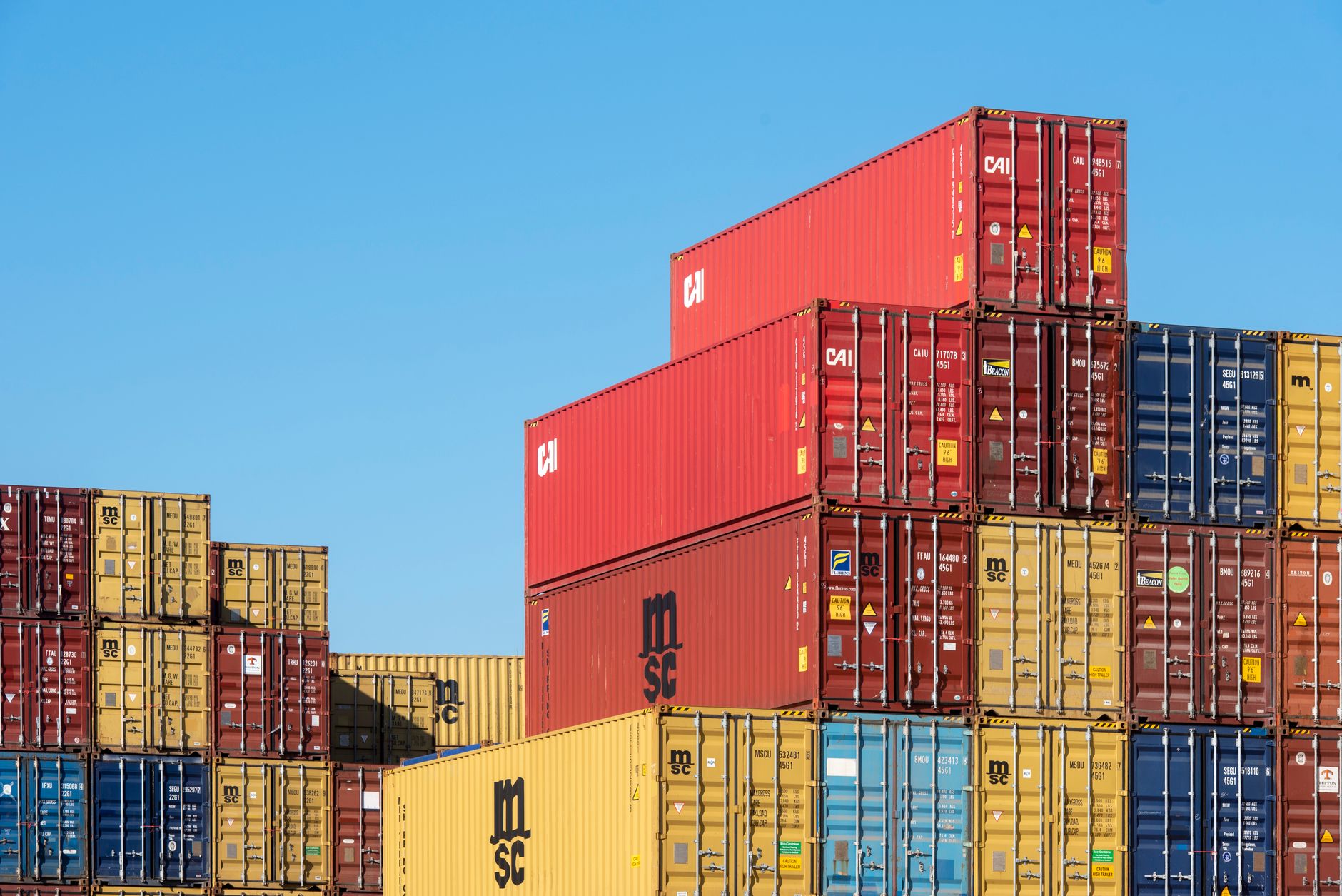
The holiday import cycle runs on a tight, largely invisible schedule. Retailers typically place orders with overseas manufacturers in late spring, and those goods begin moving toward U.S. ports in late summer through October. By the time merchandise is sitting in a container on a ship off the coast of New Jersey or Georgia, there is almost no flexibility left in the supply chain. A work stoppage lasting even a week can cascade into weeks of delays as vessels queue up, chassis become unavailable, and warehouses hit capacity ceilings.
What makes the current situation particularly difficult for importers is the absence of a clear signal in either direction. A strike or slowdown looks possible enough that companies cannot simply ignore the risk, but a deal also looks close enough that a full contingency reroute – shifting cargo to West Coast ports served by a different labor union – feels like an overreaction that would create its own disruption and cost. Importers are essentially being asked to plan for two opposite scenarios simultaneously, which is expensive, logistically complicated, and ultimately unsatisfying as a strategy.
Some larger retailers with dedicated logistics teams have begun splitting shipments, hedging by routing a portion of high-priority goods through the Port of Los Angeles or Long Beach, where the International Longshore and Warehouse Union operates under a separate agreement. But smaller brands and mid-market importers rarely have the freight volume to negotiate that kind of flexibility on short notice. They are left watching negotiations unfold and hoping the news is good before their cargo reaches U.S. waters.
The Economics Behind the Standoff
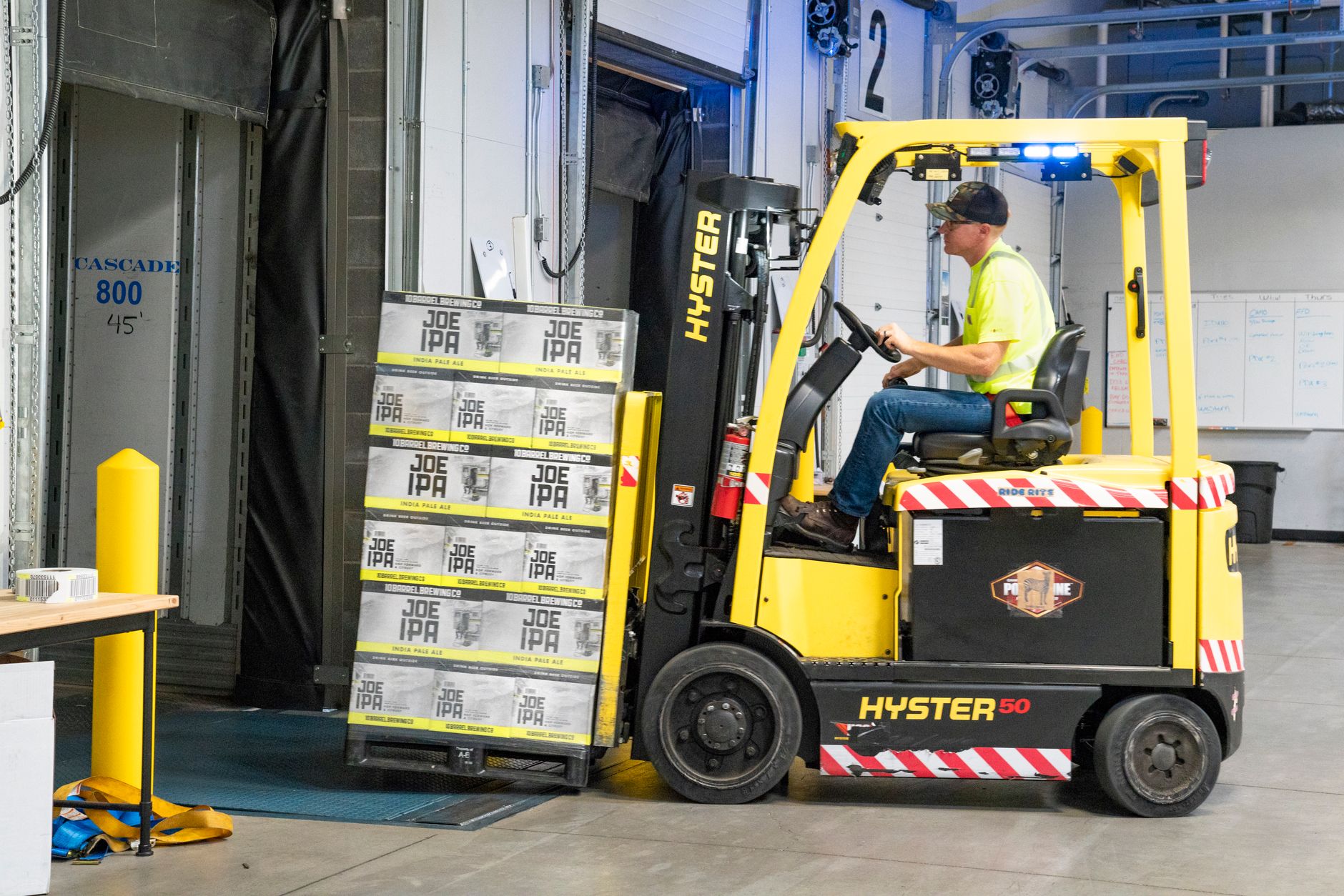
The core issues in the negotiation go beyond the kind of wage adjustments that get resolved in a weekend. Automation at ports – specifically the question of which technologies can be deployed, how quickly, and what happens to the workers those technologies replace – sits at the center of the dispute. The ILA has historically taken a hard line against automation, viewing it as a direct threat to union membership and long-term job security. Port employers argue that automation is necessary to remain competitive with modern terminals in Asia and Europe, where cargo moves faster and labor costs are lower.
That fundamental tension does not resolve easily. It is not a disagreement about numbers on a spreadsheet – it is a disagreement about what a port job looks like in a decade. Dockworkers who currently earn strong middle-class wages with full benefits have reason to take that fight seriously. A single automated crane system can perform the work of multiple operators, and once that infrastructure is installed and paid for, the economic case for returning to manual operations disappears.
The political dimension adds another layer. Port jobs, concentrated in cities like Baltimore, Newark, Savannah, and Houston, carry significant political weight in their regions. Elected officials from both parties have historically been reluctant to be seen as siding with employers against unionized port workers, which limits the pressure the federal government is willing to apply to force a resolution. The Biden administration’s intervention during an earlier West Coast port dispute was eventually credited with helping broker a deal, but the playbook for applying that kind of pressure is neither automatic nor guaranteed to work twice.
What Importers Are Actually Doing Right Now
Across the import community, the response has been a mix of accelerated shipping timelines, contingency route planning, and an uncomfortable amount of waiting. Some companies pulled orders forward by several weeks, getting goods onto ships earlier than usual in hopes of clearing port before any potential work action. That strategy has costs: earlier goods mean earlier warehousing, which means additional storage fees hitting balance sheets before revenue follows.
Freight forwarders – the intermediaries who manage international cargo logistics – report that clients are asking more questions about port alternatives than in any recent cycle. Airfreight, which is exponentially more expensive than ocean shipping, is being quietly priced out for certain high-value, lower-weight goods where the margin can absorb the premium. For bulk goods like furniture, appliances, or large apparel orders, air is simply not a realistic option regardless of how anxious the importer is.
The financial pressure is real. Companies that over-hedged – paid premiums for alternate routing that ultimately proved unnecessary – will show the cost in their Q4 margins. Companies that under-hedged and face a work stoppage will show the cost in their Q4 revenue. There is no risk-free path through a labor negotiation that has not concluded, and that is exactly the kind of uncertainty that makes CFOs lose sleep in August.
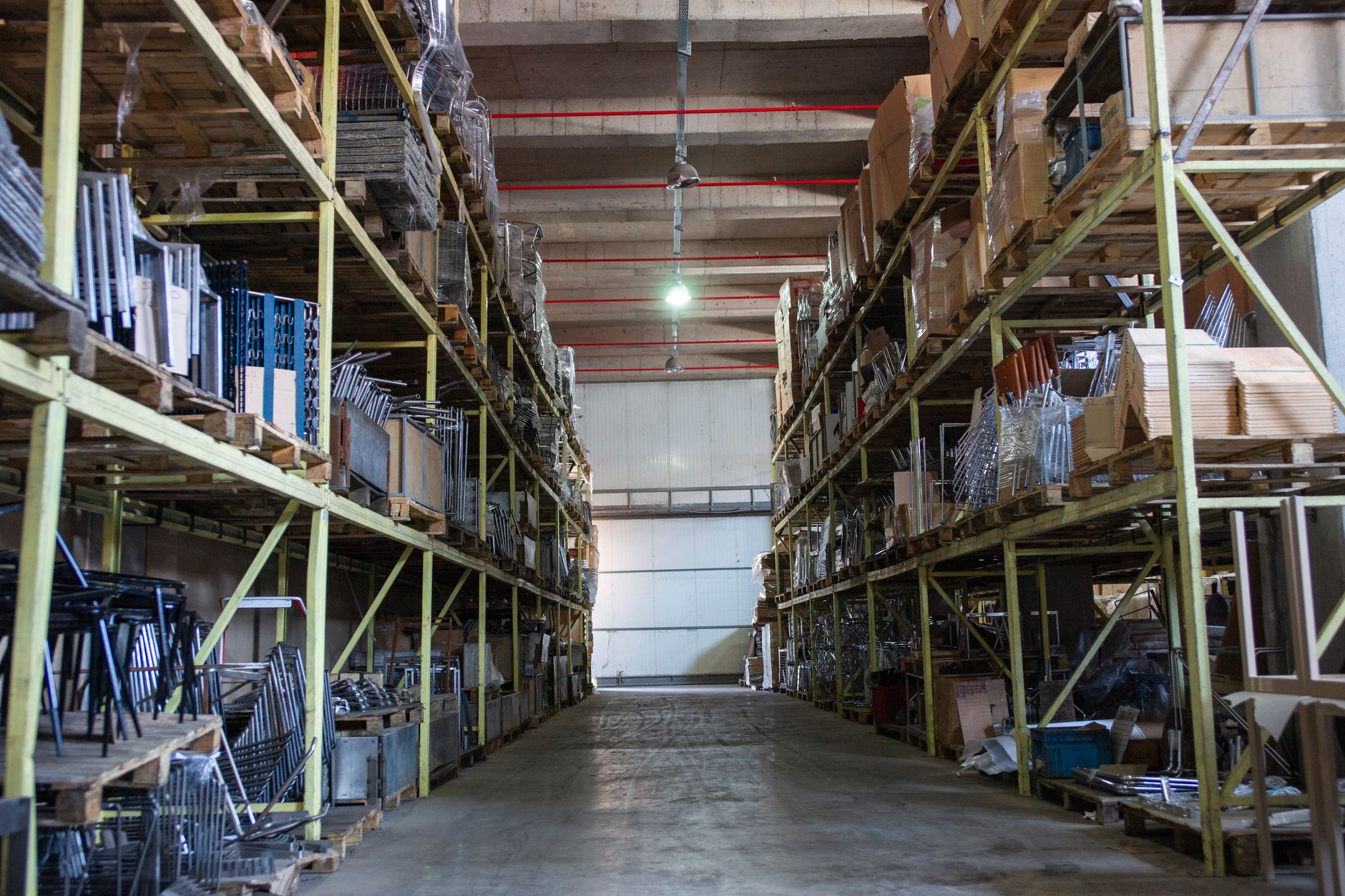
If a deal closes before the critical October shipping window, the disruption will likely be contained to logistics costs and executive stress. If it doesn’t, the first shortage reports from major retailers could start appearing before Halloween – and the contract talks will suddenly become the kind of story that leads newscasts rather than appearing in the business section.
Frequently Asked Questions
Which ports are affected by the ILA contract dispute?
The ILA represents workers at East and Gulf Coast ports, including major hubs in Newark, Baltimore, Savannah, and Houston.
Why can’t importers simply reroute cargo to West Coast ports?
West Coast ports are an option for large retailers with sufficient freight volume, but smaller importers lack the negotiating leverage to arrange last-minute rerouting without significant added cost.