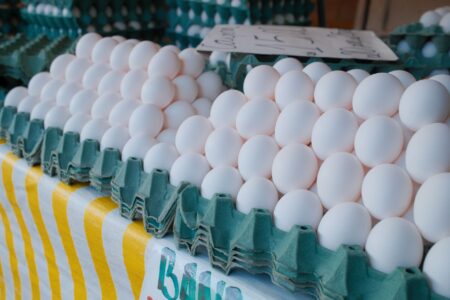




Shell Game: How Egg Prices Stayed High Long After the Hens Came Back
Egg prices spiked during the avian flu crisis for an obvious reason: millions of laying hens were culled, supply collapsed, and grocery bills reflected that reality. What is less obvious – and more telling about how food markets actually work – is why prices at the checkout lane barely moved once flocks were rebuilt and supply returned to normal.
The Shortage That Ended, and the Prices That Didn’t
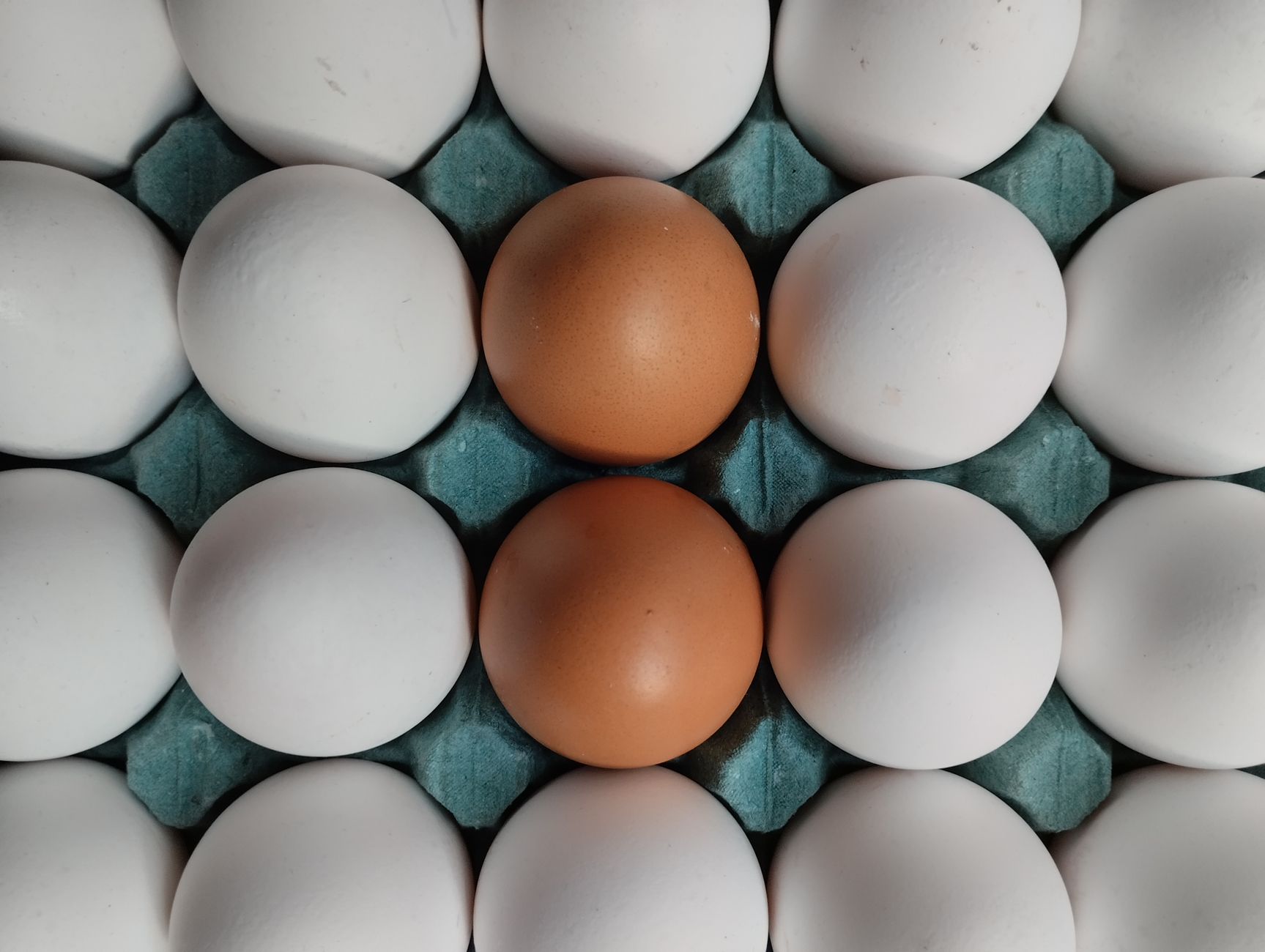
At the height of the avian influenza outbreak that swept through commercial flocks, egg prices in the United States reached historic levels. A dozen large Grade A eggs in some regions pushed past $5, $6, even $7 at major retail chains. The cause was straightforward: the U.S. lost a significant portion of its egg-laying flock in a short period, and replacement takes time. Pullets need months to mature into productive hens, and the industry had no quick fix.
By late 2023 and into 2024, flock numbers had largely recovered. USDA data showed laying hen populations climbing back toward pre-outbreak levels, and egg production per capita was trending toward normal. The supply-side story was, by most measures, resolving itself. The price story was not.
Retail egg prices remained elevated well past the point where supply constraints could justify them. This is not unusual behavior in consumer food markets – prices tend to rise quickly in a shortage and fall slowly, if at all, once conditions improve. The asymmetry has a name in economics: “sticky prices downward.” Retailers and producers have little competitive pressure to pass savings back to consumers when demand holds steady and shoppers have no real alternatives. Eggs are not a discretionary purchase for most households.
What made the egg situation notable was the degree of the gap – the distance between when the biological and logistical crisis ended and when grocery store shelf prices actually softened. That gap is where producer profits live, and in this case, that gap stretched across many months. As grocery trust issues tied to the egg price surge continued to surface, the delay in price relief only deepened consumer frustration.
Who Actually Captured the Windfall
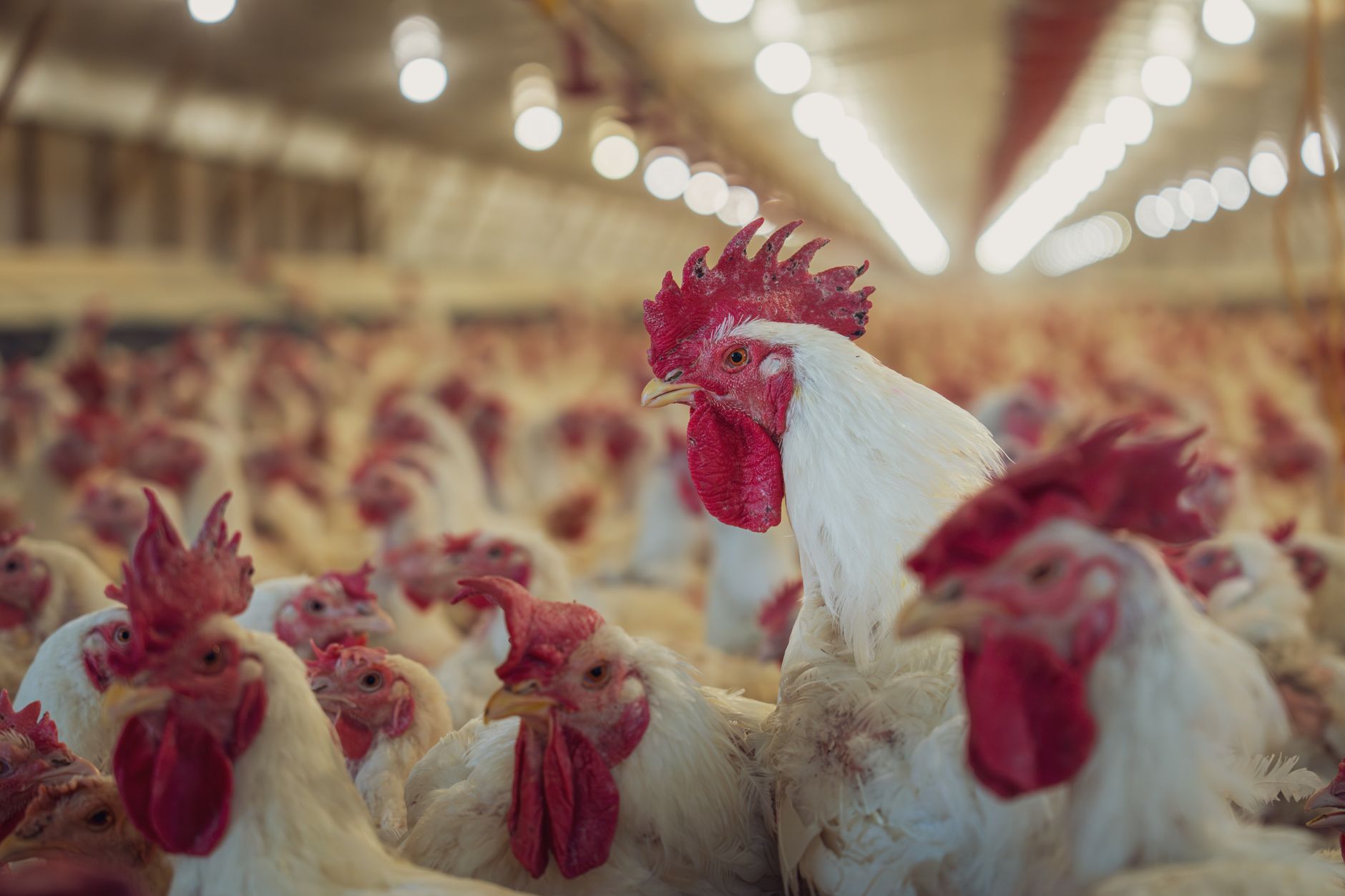
The U.S. egg industry is dominated by a small number of large-scale producers who control a substantial share of the national supply. This concentration matters because it reduces the competitive pressure that would, in a more fragmented market, push prices down faster as supply returns. When a handful of major players all face similar cost structures and similar high-price environments, the incentive to undercut competitors diminishes. The rational move, from a business standpoint, is to hold prices at whatever the market will bear.
Large producers benefit from another structural advantage: long-term supply contracts with major grocery chains. These contracts are typically renegotiated on cycles that don’t align neatly with commodity price swings. When a shortage pushes contract prices up, those elevated rates can remain locked in even after spot market conditions change. The grocery chain, caught in its own margin squeeze, has limited leverage to renegotiate mid-cycle. So elevated prices persist at the shelf even when the underlying commodity cost has softened.
Feed costs – primarily corn and soybean meal – make up the largest variable expense for egg producers. When feed prices also elevated during the same period due to broader agricultural pressures, producers had a genuine cost story to tell. But feed markets began softening before egg retail prices followed suit. The lag between input cost reduction and retail price reduction is where windfall margins accumulate. Producers were, for a window of time, receiving high prices while their input costs declined – a combination that produces outsized profitability without requiring any operational change.
The retail layer of the chain also plays a role. Grocery chains themselves face pressure from shareholders to protect category margins, and the egg aisle – historically a traffic-driving loss leader – had years of compressed margins that retailers were happy to see restored. When the crisis provided cover to charge more, some chains were in no hurry to return to the days of $1.49 egg cartons as a customer draw. That calculation made economic sense for the chains, even as it frustrated shoppers.
For independent and regional producers, the picture is more complicated. Smaller operations that survived the culling period or were unaffected by avian flu found themselves selling into a suddenly premium market without the fixed-cost infrastructure of large integrators. Their windfall, where it existed, was real but often short-lived – input costs, labor, and distribution expenses mean margins for smaller producers are volatile in both directions.
What Comes Next for Egg Pricing
Avian flu has not disappeared. New outbreaks continue to hit commercial flocks on a rolling basis, giving producers a recurring rationale for elevated pricing that is difficult for consumers or retailers to challenge directly. Each new outbreak, even if smaller in scale than the original crisis, resets the public narrative around supply risk. That narrative is genuinely valid in some cases and conveniently timed in others – and from the outside, the two are nearly impossible to distinguish.

Consumer behavior has shifted somewhat in response to sustained high prices. Some households have reduced egg consumption, substituted for other proteins, or shifted to store brands. But eggs remain a nutritionally affordable, deeply embedded staple for millions of Americans, which limits how much demand destruction actually occurs. Producers watching those demand numbers know that shoppers grumble but keep buying – and that knowledge shapes exactly how aggressively they feel compelled to reduce prices when costs allow it.