





Food banks across the country are reporting a troubling trend: donation volumes are falling at the exact moment demand is climbing. The squeeze is hitting from both ends, and the group pulling back most noticeably is the one food banks have long counted on – the middle class.

The Donor Class Is Feeling the Pinch
Middle-income households – roughly those earning between $50,000 and $150,000 annually – have historically been the backbone of charitable giving to food banks. They donate in bulk during holiday drives, drop off canned goods at church collections, and write modest checks to local pantries. That pattern is fraying. As grocery bills stay elevated, credit card balances grow, and savings cushions shrink, discretionary giving is one of the first things households quietly cut.
This is not a crisis of indifference. Households pulling back on food bank donations are largely doing so because their own grocery budgets are under pressure. When a family that used to donate a $40 bag of groceries is now carefully choosing store-brand pasta over name-brand to stay under budget, that $40 donation disappears without a second thought. The psychology of charitable giving is closely tied to how financially secure a person feels – and right now, a wide swath of middle-income earners do not feel secure.
The cost of living has not retreated meaningfully even as headline inflation numbers have moderated. Rent, insurance premiums, and utility costs have remained stubbornly high. Many middle-class households absorbed these costs by drawing down savings or leaning on credit during the past few years, and those coping mechanisms are now exhausted. Charitable giving gets cut before subscriptions, restaurant meals, or other visible lifestyle expenses – partly because no one knows you stopped giving to the food bank.
The timing is particularly bad. Food banks were already operating in a stretched environment after years of elevated post-COVID demand, higher operational costs, and reduced federal food program support in some regions. Losing a meaningful share of their most reliable donor base while caseloads continue growing creates a structural gap that is difficult to close with one-time corporate pledges or foundation grants alone.
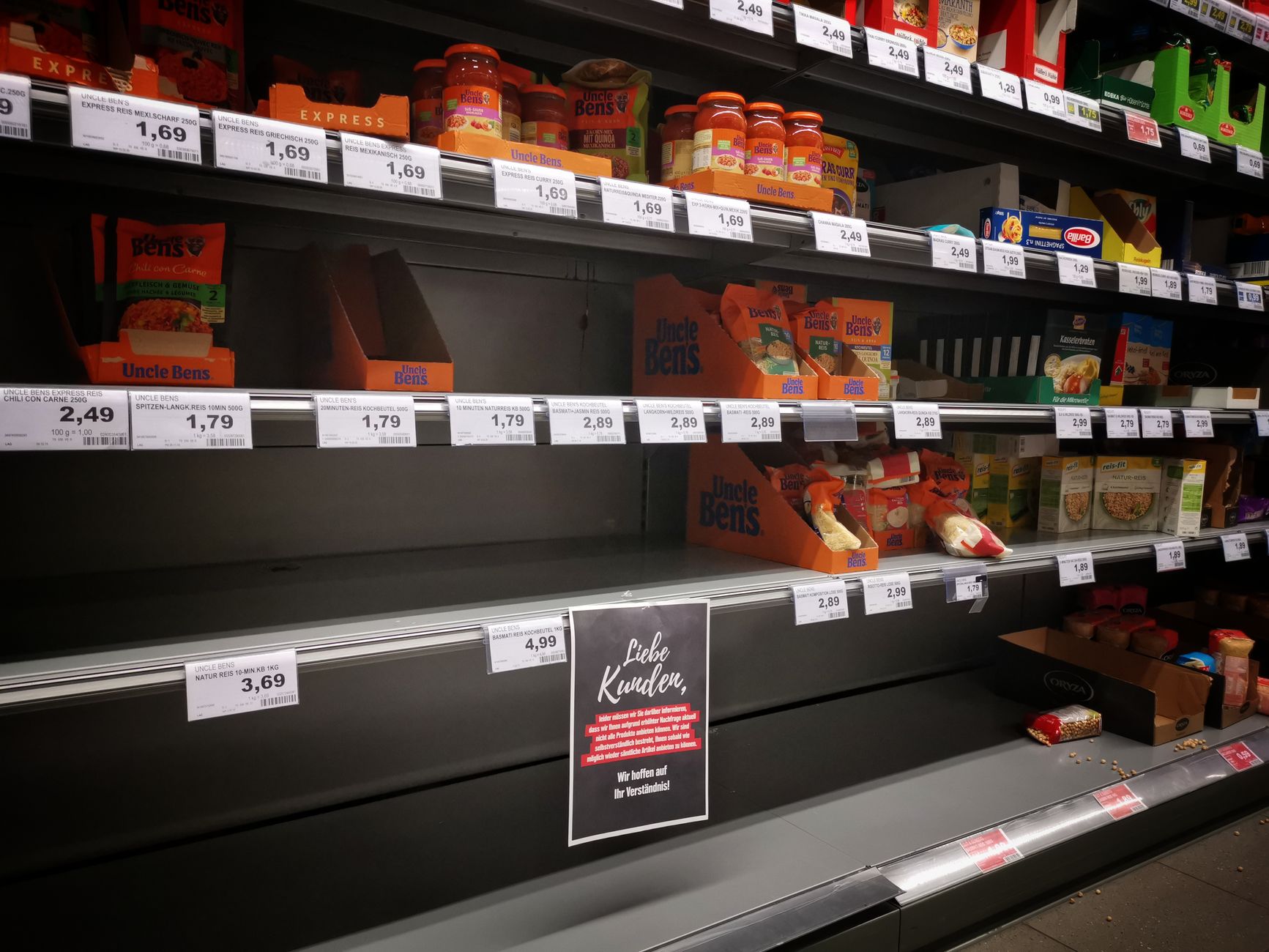
Demand Surges While the Shelves Get Thinner
Visitor numbers at food pantries have grown steadily over the past two years, and the demographics have shifted. A growing share of first-time visitors to food banks are employed adults – people working one or two jobs who still cannot make ends meet after paying rent and transportation. This is not the stereotype of the food bank client. These are households that would have considered themselves financially stable not long ago.
At the same time, the composition of donations is changing. When donations do come in, they tend to be smaller in quantity and lower in nutritional density. Food banks receiving high volumes of expired or near-expired goods – a category that has grown as retail donation practices evolve – face the extra operational cost of sorting and discarding items that cannot be safely distributed. That eats into capacity without adding to the supply actually reaching families.
Corporate food donations, which supplement individual giving at many large pantries, are also shifting. Retailers managing tighter inventory and reduced overstock are sending less surplus product. As discount retailers see surging foot traffic from cost-conscious shoppers, those stores are moving product faster and producing less surplus to donate. The charitable supply chain that many food banks quietly relied on is quietly contracting.
Some food banks have responded by purchasing food directly on the open market to fill gaps – a strategy that works when funding is available but rapidly becomes unsustainable when donor revenue is also declining. Buying food at current retail prices is expensive, and the math only works if the cash side of donations holds up. Right now, it is not holding up well enough to cover the shortfall in product donations.
Volunteer hours are also down at some organizations, compounding the problem. Running a food bank requires substantial labor for sorting, packing, and distribution. If the volunteer base – also largely made up of middle-income retirees and working adults with discretionary time – is contracting, operational capacity shrinks even if funding were somehow maintained. Food banks are managing a multi-variable squeeze with fewer tools than they had two years ago.
What Breaks First
The organizations most at risk are smaller regional food banks and neighborhood pantries that lack the fundraising infrastructure of large national networks. A major metro food bank might absorb a 15% drop in individual donations through emergency appeals and foundation support; a pantry run out of a church basement with a $40,000 annual budget has no such buffer. Those operations – often the most accessible to low-income residents without transportation – are the ones most likely to cut hours, reduce distribution days, or simply run out of product mid-month.

Food bank directors are increasingly being asked to do something uncomfortable: turn away or strictly limit what families can take, not because demand has slowed, but because supply has not kept pace with it. Rationing at a food bank is not a hypothetical scenario – it is already a management reality at a number of facilities, with some limiting visits to once per month or capping the number of items per household. Whether middle-class donors return as their own financial anxiety eases, or whether this represents a longer structural withdrawal from charitable giving, is the question food bank administrators are trying to answer before the next holiday season.