




Opening
Food banks across the United States are bracing for a supply crunch that could arrive not gradually but all at once, as proposed federal cuts to USDA commodity distribution programs threaten to strip away one of the most reliable layers of the charitable food system’s infrastructure.
What the Cuts Actually Mean on the Ground
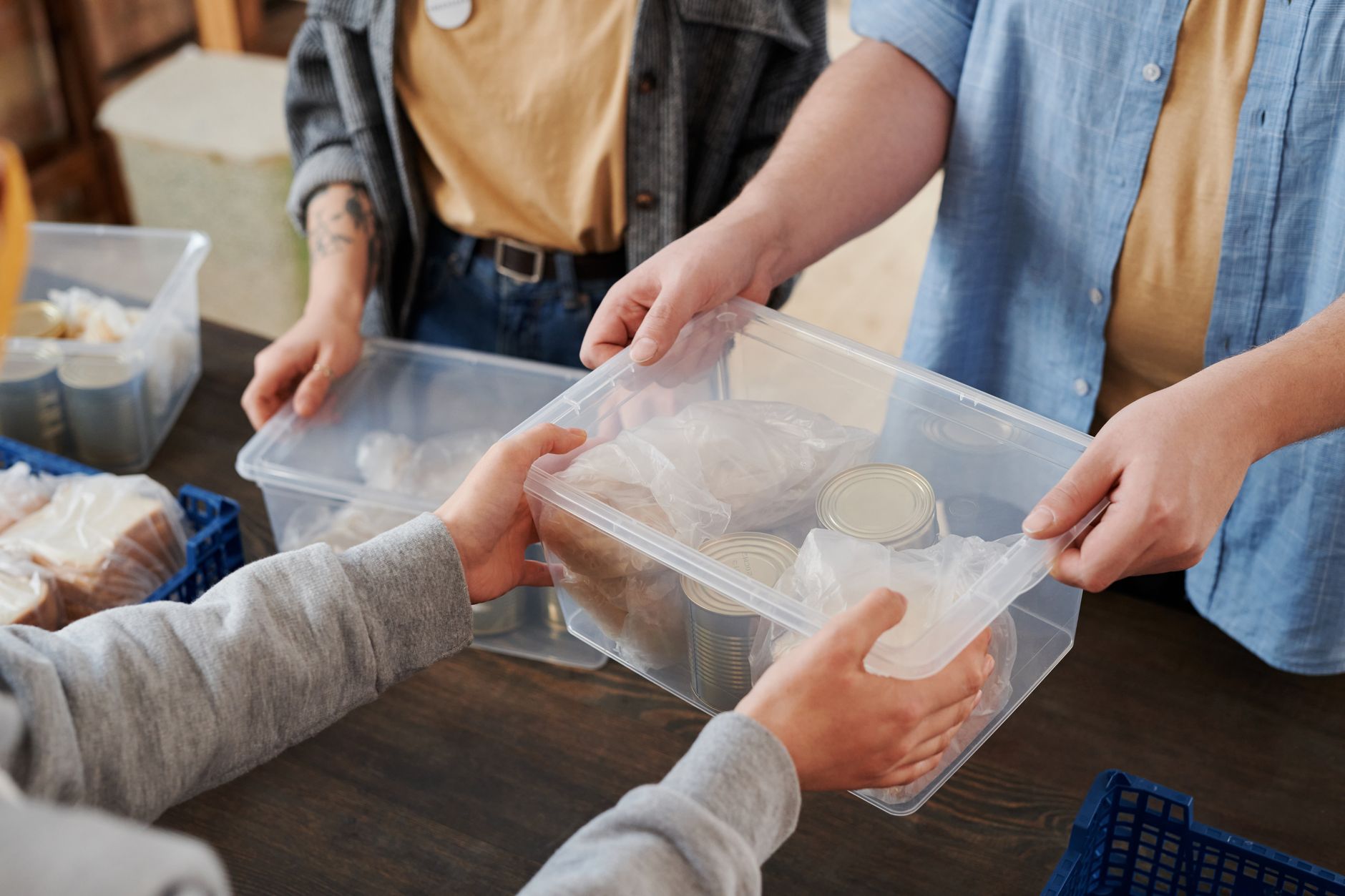
The USDA’s commodity programs – particularly The Emergency Food Assistance Program, known as TEFAP – have long functioned as a backbone for food bank operations. TEFAP provides federally purchased food directly to state agencies, which then distribute it through local food banks and pantries. These are not supplemental donations or occasional windfalls; for many regional food banks, TEFAP commodities represent 30 to 50 percent of the total food volume they move each year. Removing or dramatically reducing that supply does not simply create a gap – it restructures the entire distribution math.
The proposed reductions are tied to broader federal budget negotiations, where agricultural support programs have become targets in the search for spending offsets. Budget documents circulating in Washington point to cuts that could reduce TEFAP funding by hundreds of millions of dollars annually. For food banks already running lean operations after pandemic-era demand surged and never fully receded, that scale of reduction has no obvious replacement source.
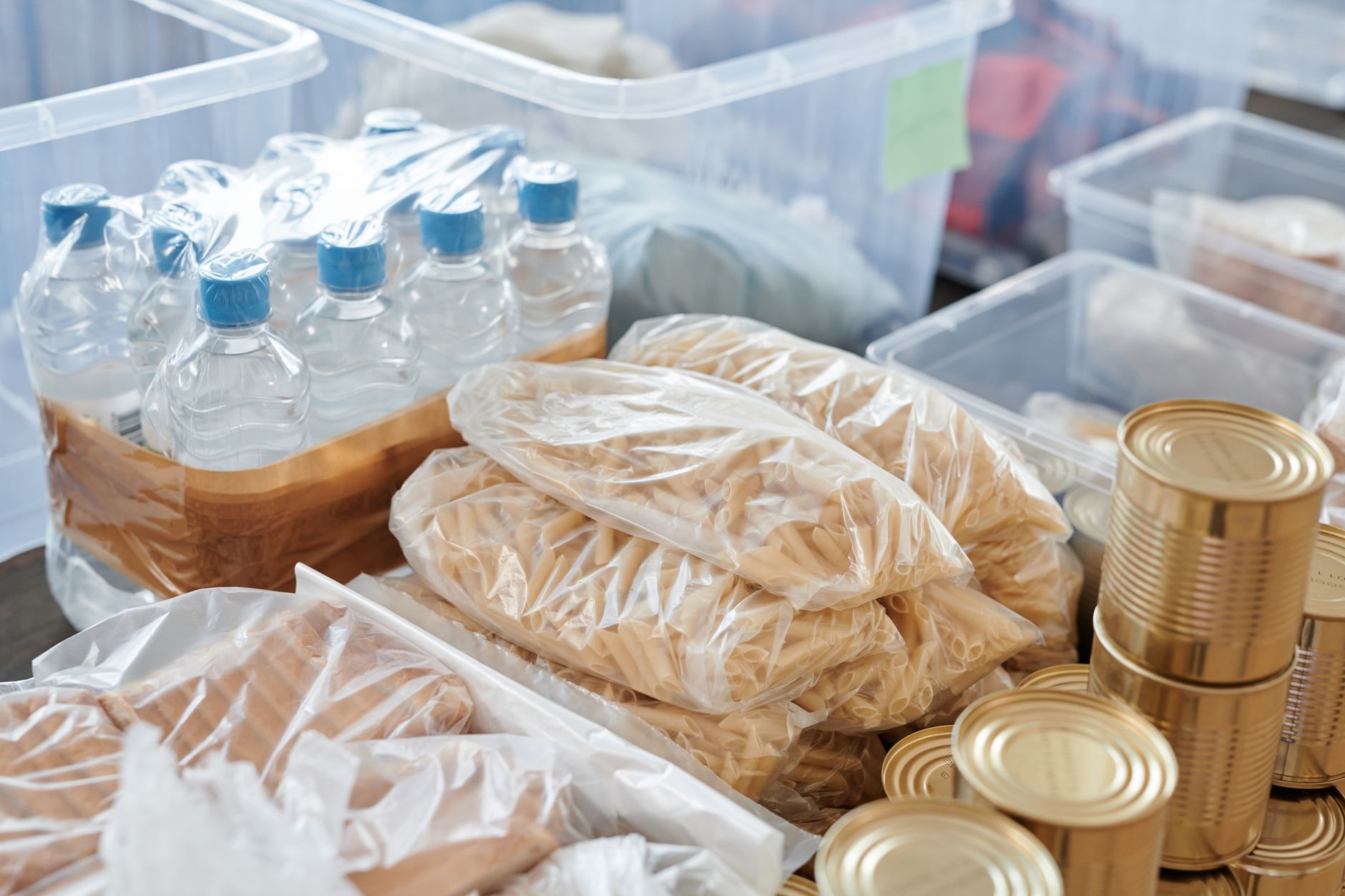
Commodity food is also qualitatively different from donated retail surplus. USDA-sourced goods tend to be shelf-stable, nutritionally predictable, and delivered in consistent quantities on a set schedule – making them ideal for planning. Donated food is irregular, sometimes close to expiration, and subject to the rhythms of corporate inventory decisions rather than community need. Food banks can manage donated food, but they cannot build a distribution model around it the way they can around federal commodity contracts.
Regional food bank networks are already running scenario models for what operations look like at 60 percent of current commodity supply, then at 40 percent. The numbers do not resolve cleanly. Staffing levels, refrigeration capacity, and transportation logistics are all calibrated against current food volume. A major supply reduction does not just mean fewer meals – it means fixed costs spread over a shrinking output base, which makes the per-unit cost of every food item the bank does distribute significantly higher.
A Supply Chain Built on Thin Margins and Federal Trust
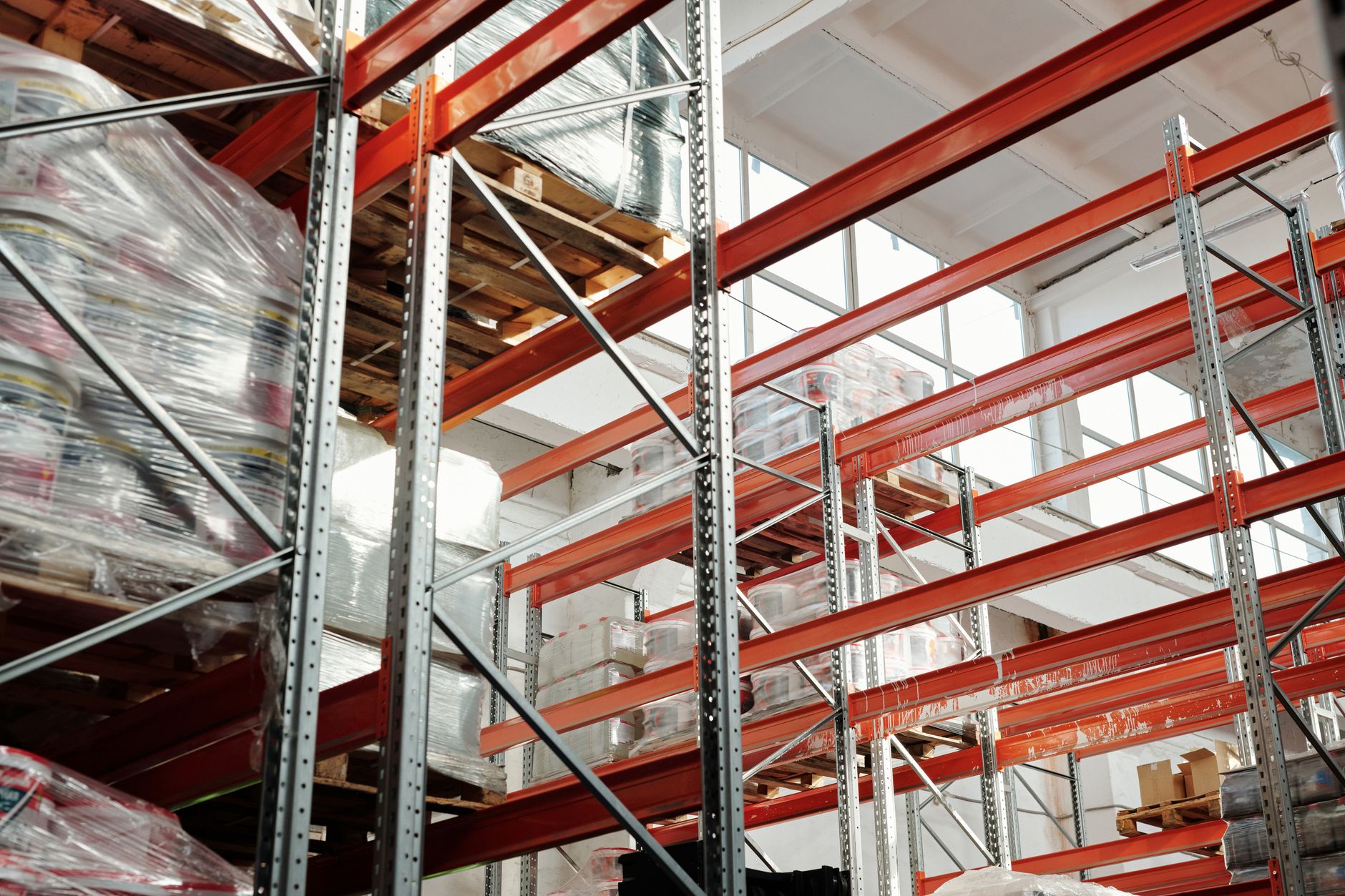
The food bank supply chain operates on a logic that resembles manufacturing more than charity. Large regional banks function as warehouses and distributors, receiving bulk commodity deliveries, sorting and repackaging product, then routing it to a network of smaller partner pantries. That system depends on volume to stay cost-efficient. The more food moves through the warehouse, the lower the cost per pound – which means cuts to commodity supply tighten margins at every level of the chain simultaneously.
Transportation is where the stress becomes most visible. Food banks often negotiate preferential freight rates based on the predictability and volume of their commodity shipments. If federal commodities drop sharply, those negotiated rates come up for renegotiation – and the freight sector’s own budget pressures mean carriers have little appetite for maintaining discounts on reduced volume. A food bank that loses commodity supply and simultaneously faces higher per-load freight costs is being squeezed from two directions at once.
Smaller pantries, particularly those in rural counties, are most exposed. They lack the storage infrastructure to buffer against supply fluctuations and often serve communities where retail food access is already limited. For a rural pantry operating out of a church basement, a 40 percent drop in commodity supply is not a planning problem – it is an immediate operational crisis. Pantry staff, most of them volunteers, have no mechanism to absorb that kind of disruption without reducing the number of families they serve.
On the donor side, the assumption that private philanthropy can fill a federal funding gap of this scale does not survive contact with the numbers. Corporate food donations and cash fundraising campaigns have their own cyclical patterns, and they tend to contract during periods of broader economic uncertainty – the same periods when food bank demand spikes. The philanthropic sector and the federal commodity system are not interchangeable; they respond to different incentives and operate on entirely different timelines.
State agencies, which sit between the USDA and local food banks in the commodity distribution chain, are also facing pressure to identify alternative funding streams. Some states are considering using agricultural surplus purchases funded through state budgets to partially offset federal reductions. But state budgets are themselves under strain, and the political appetite for new agricultural spending commitments varies widely by region. A state with a large agricultural sector and a cooperative legislature may be able to bridge some of the gap; a smaller state with competing budget priorities almost certainly cannot.
What Food Banks Are Doing Right Now
In the absence of certainty about federal policy, food banks are doing what supply chain managers do in any period of anticipated constraint: building buffer stock where storage capacity allows, accelerating conversations with retail donors, and quietly communicating to partner pantries that they should expect variability. Some larger regional banks are consulting with logistics companies about flexible warehousing arrangements that could help them pivot quickly if commodity deliveries change.
None of these contingency plans are designed to fully replace TEFAP. They are designed to slow the rate at which the disruption becomes visible to the families standing in line. The harder question – whether Congress will finalize the proposed cuts, modify them, or abandon them under public pressure – remains open. Food bank leaders are not waiting for that answer before preparing for the worst version of it.