



The Shrinking Package Problem
Shoppers reaching for their usual brand of orange juice, potato chips, or laundry detergent have noticed something off – the package looks the same, the price is the same or higher, but there is measurably less product inside. This is shrinkflation, and after years of quiet tolerance, consumer frustration is boiling over into complaints, social media callouts, and legislative attention.

Same Price, Less Product – How We Got Here
Shrinkflation is not a new tactic. Consumer goods companies have used package downsizing for decades as a way to protect profit margins without triggering the psychological sting of a visible price hike. Raising the price of a bag of chips from $4.99 to $5.49 is obvious. Quietly reducing the bag from 12 ounces to 10.5 ounces is far easier to slip past an inattentive buyer. The math works out to roughly the same revenue impact for the manufacturer, but one method draws complaints and the other often goes unnoticed – at least for a while.
The practice accelerated sharply when supply chain pressures and raw material costs spiked in recent years. Companies that had absorbed higher ingredient, packaging, and transportation costs eventually pushed those costs somewhere – and that somewhere turned out to be the contents of the package. Some product categories saw repeated rounds of downsizing in a relatively short window, compounding the cumulative effect on household budgets.
The grocery sector has been particularly active on this front. Products ranging from toilet paper rolls and paper towels to canned goods, cereal boxes, and deli meats have all been documented going through size reductions. In many cases, the reduction is masked by package redesigns that make the container look roughly the same size – wider shoulders on a bottle, a deeper indentation at the base of a jar, or a bag with more dead air at the top. These are design choices with a very deliberate financial purpose.
Consumer advocacy groups have tracked specific examples. A chocolate bar that once weighed 4.4 ounces quietly dropped to 3.5 ounces at the same retail price. A well-known brand of canned tuna shifted from 6 ounces to 5 ounces of drained weight. A box of tissues that contained 200 sheets was reformatted to hold 160. Each individual case seems minor, but across an entire grocery cart, the cumulative reduction in value can be substantial.
Why Shoppers Are Angrier Now Than Before
Shrinkflation has always existed, but consumer tolerance for it has a ceiling, and that ceiling appears to have been hit. After several years of elevated grocery prices following broader inflation cycles, households have fewer cushions to absorb yet another form of value erosion. A family that has already adjusted its budget for higher egg, meat, and dairy prices is not in a forgiving mood when it discovers the box of crackers it budgets for now contains fewer servings than it did two years ago.
Social media has changed the accountability dynamic in a way that cannot be overstated. What used to require a consumer watchdog organization to document and publicize now takes one person with a kitchen scale, a phone camera, and a few hundred followers. Videos comparing old and new package sizes regularly rack up millions of views. Some creators have built entire audiences around exposing shrinkflation finds, creating an informal but highly effective crowdsourced tracking system that no marketing department was prepared to navigate.
The political response has followed. Several U.S. legislators have proposed or introduced bills that would require clearer unit pricing disclosures at the shelf level, making it easier for shoppers to compare actual volume or weight against price rather than relying on package size as a proxy. France has already gone further, requiring large grocery chains to label shrinkflation instances directly on the shelf tag. The idea is that transparency itself acts as a deterrent – companies would need to actively advertise that they are giving less for the same money, which is not a message any brand wants to send.
Retailers have also started to respond to customer pressure in ways that put them at odds with their suppliers. Some grocery chains have begun placing their own shelf notices calling out size reductions on branded products. This is a notable development because it signals that retailers see brand loyalty – and by extension, foot traffic – as more valuable than maintaining smooth supplier relationships. When a store puts a sign next to a cereal box telling shoppers the product now contains 10 percent less than it did six months ago, it is openly inviting customers to consider the store brand instead.
The store brand angle matters because it is where many consumers are already landing. Private label grocery sales have been climbing as shoppers, exhausted by the combination of price increases and size reductions on national brands, look for value in products they once might have ignored. For major consumer goods companies, that shift in purchasing behavior is a far more serious consequence than any social media complaint. Losing shelf presence and brand loyalty to a retailer’s own label is a structural problem that does not correct itself quickly.
What Shoppers Can Actually Do
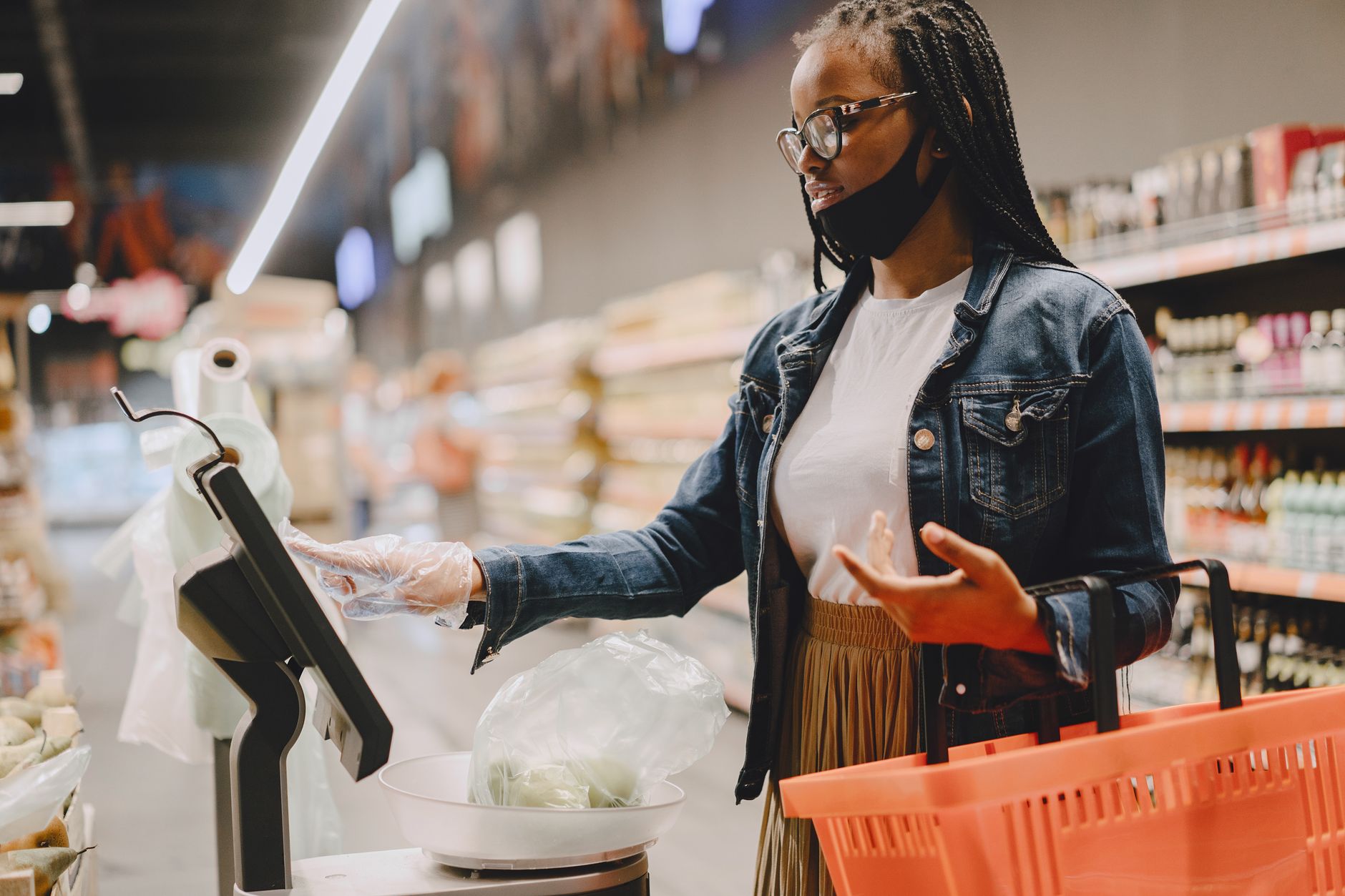
Unit pricing is the most direct tool available to shoppers right now. Most grocery stores are already required by state law to display price per ounce or per unit on shelf tags, though the display is often small and inconsistently positioned. Shoppers who make a habit of comparing unit prices rather than package prices will catch size reductions immediately – a package that shrank from 16 ounces to 14 will show a higher unit price even if the sticker price stayed identical.
The deeper question is whether consumer pressure alone is enough to change manufacturer behavior, or whether it takes regulatory action. France’s mandatory labeling approach gives shoppers direct information without requiring them to do any math. The U.S. has moved more slowly on that front, and in the meantime, the burden of catching shrinkflation still falls almost entirely on the person pushing the cart down the aisle. Given that grocery shopping for most households happens under time pressure with children in tow or a list to get through, that is a burden that tends to benefit the manufacturer more than the consumer.