



When the Temperature Rises, the Safety Net Disappears
Small-scale farmers have always operated on thin margins, but a series of punishing heat waves across agricultural regions is exposing something more troubling than crop loss: the near-total absence of financial protection for operations that fall below federal insurance thresholds. Standard crop insurance products, designed largely during an era when drought was the dominant weather threat, were not built to account for sustained high-temperature events that damage crops without technically triggering a drought classification. The result is a structural gap that leaves small farms holding the loss entirely on their own.
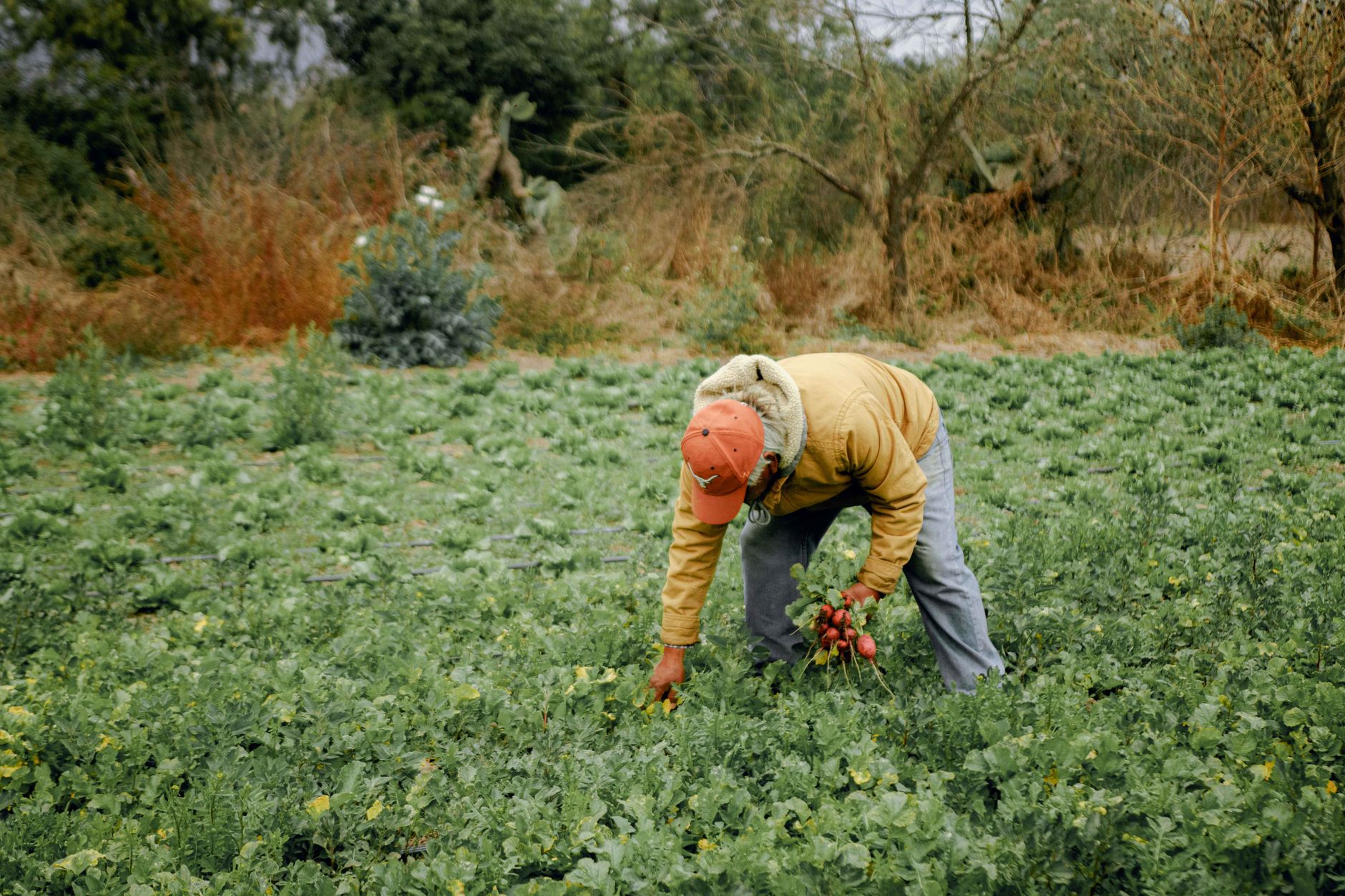
The problem is not that insurance products don’t exist – it’s that the ones available are calibrated for large commodity operations. A corn or soybean producer farming several thousand acres can absorb the premium costs and meet the coverage minimums required by federally backed policies. A 40-acre diversified vegetable farm, a small stone fruit orchard, or a family-run berry operation typically cannot. When heat destroys a crop for that smaller producer, there is often no payout waiting on the other side.
Why Heat Is a Different Kind of Risk
Drought insurance and heat insurance are not the same product, and the agriculture sector has been slow to recognize that distinction in practical policy terms. A drought is defined by precipitation deficits measured over weeks or months. A heat event – particularly the kind of multi-day temperature spike that scorches fruit on the vine or halts pollination in vegetable crops – can cause catastrophic damage in 72 hours while official rainfall totals remain perfectly normal. Most standard crop insurance policies trigger on yield loss measured at harvest, not on the temperature conditions that caused it, which means the mechanism for proving a claim is both slow and difficult for small producers to navigate.
Parametric insurance, which pays out automatically when a measurable weather threshold is crossed – say, five consecutive days above 105 degrees Fahrenheit within a defined geographic area – is the model most frequently discussed as a solution to this problem. It removes the need for an adjuster to visit a farm and verify damage, speeds up the payout timeline, and creates a clear contractual trigger. The challenge is that parametric products for agriculture remain expensive to develop, require sophisticated weather data infrastructure, and have not yet scaled down to the farm sizes where the need is greatest.
The federal crop insurance program, administered through the USDA’s Risk Management Agency, does offer some specialty crop coverage and small farm options, but participation rates among small producers remain low. The application process is complex, the premium costs represent a meaningful percentage of revenue for a small operation, and many farmers in diverse-crop situations find that the coverage doesn’t map cleanly onto what they actually grow. A farmer raising 12 different vegetable varieties faces a categorization problem that a single-commodity operation simply does not have.
Some regional and state-level programs have tried to fill the space. A handful of states have piloted weather-indexed insurance products through agricultural development agencies, and some farm credit cooperatives offer limited weather-related loan deferrals when declared disasters occur. But declared disaster status itself is a blunt instrument – it follows FEMA designations that can lag actual farm losses by months and often cover geographic areas unevenly, leaving producers just outside the boundary with no recourse.
The Financial Math That Makes Coverage Inaccessible
For a small farm generating $80,000 to $150,000 in gross annual revenue, a premium that costs several thousand dollars per year is not a routine business expense – it’s a significant capital decision. When that premium competes with seed costs, equipment maintenance, irrigation repair, and labor, many operators simply defer it, especially after a stretch of good years when the immediate risk feels abstract. This is the same logic that makes any low-probability, high-consequence insurance a hard sell to cost-constrained buyers, but the stakes in farming are existential in a way they are not in most other small business contexts.
Heat damage also tends to cluster in ways that make it financially dangerous at a portfolio level. When temperatures spike across a region, every farm in that area loses simultaneously. That concentration of correlated losses is exactly what makes private insurers cautious about underwriting the risk aggressively. Without federal reinsurance backstops similar to what supports the main crop insurance program, private carriers have little incentive to offer affordable products for small farms in high-heat regions, and the market stays thin.
What Structural Reform Would Actually Require
Closing the gap would require changes at several levels at once. Federal policy would need to lower the minimum acreage and revenue thresholds that currently exclude smaller operations from standard crop insurance participation, and it would need to fund the development of parametric products that use NOAA or USDA weather station data as automatic triggers. Both require congressional appropriations and USDA rulemaking that have moved slowly despite repeated recommendations from agricultural policy working groups over the past decade.
Private sector solutions are developing, but unevenly. A small number of agriculture-focused insurtech companies have built weather-indexed products aimed at specialty and small-acreage growers, primarily in California and the Pacific Northwest where the specialty crop market is dense enough to justify the product development cost. Outside those markets, coverage options remain thin. The business case for building products around small farms in lower-density agricultural regions simply has not penciled out for most carriers.
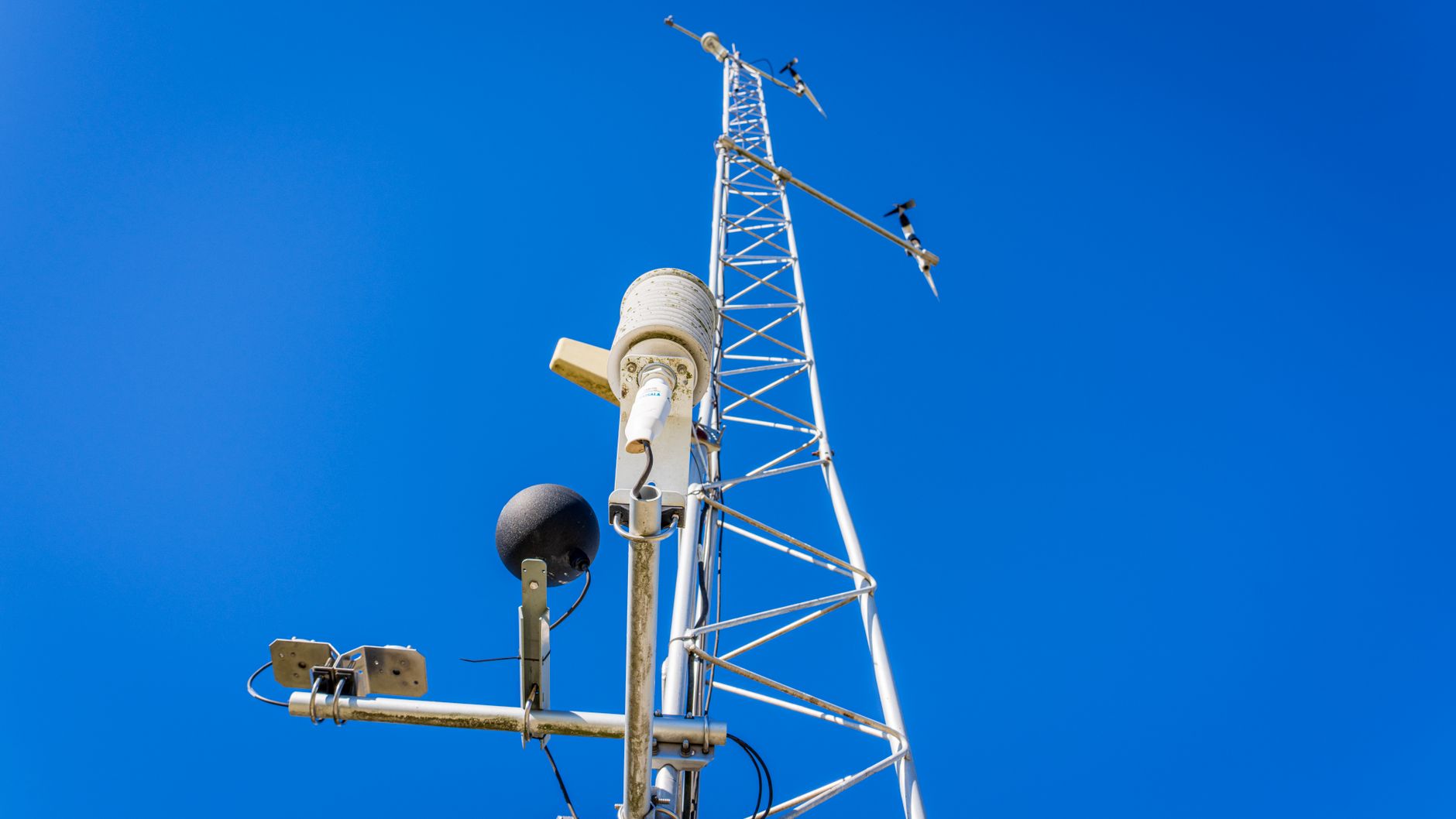
There is also a data problem that rarely gets discussed in policy conversations. Accurate parametric insurance requires dense, reliable weather monitoring infrastructure placed close enough to individual farms that the temperature readings are actually representative of on-farm conditions. Many rural agricultural areas – precisely the places where small farms are most concentrated – have the sparsest weather station coverage. A reading from a station 18 miles away may not capture the microclimate conditions that turned a peach crop into a loss. Until that infrastructure improves, even well-designed parametric products will face basis risk: the gap between what the index measures and what the farmer actually experienced.
For a small farm operator who has just watched a summer’s worth of income wilt in a four-day heat event, the conversation about parametric design and weather station density is not an abstraction. It is the difference between making payroll and not – and right now, for most of them, the answer to whether coverage exists is simply no.