





Heating oil demand across the Northeast United States is falling at a pace that would have seemed implausible a decade ago. The culprit is not a mild winter or a fuel price crash – it is a slow, structural replacement of oil-burning furnaces with electric heat pumps, and the shift is starting to show up in supply chains, dealer revenues, and state energy budgets.

A Market Built on Cold Winters Is Losing Its Foundation
The Northeast has historically been the last major stronghold for residential heating oil in the country. States like Maine, New Hampshire, Vermont, Connecticut, and New York built entire communities around fuel oil delivery infrastructure – local dealers, storage tanks, truck fleets, and seasonal contracts. For generations, a cold October meant full tanks and steady income for thousands of small businesses across the region.
That model is eroding. Heat pump installations in the Northeast have climbed steadily over the past several years, driven by a combination of federal tax credits under the Inflation Reduction Act, state-level rebate programs, and falling equipment costs. A cold-climate heat pump – capable of operating efficiently even when outdoor temperatures drop below freezing – now offers a credible alternative to oil heat in a way that earlier versions of the technology simply did not.
The economics have flipped. When heating oil prices spiked during the 2021-2022 winter season and again following Russia’s invasion of Ukraine, many homeowners who had been curious about heat pumps converted that curiosity into purchase decisions. The sticker shock of a $4,000 or $5,000 winter oil bill created an urgency that no amount of utility advertising could manufacture. Contractors across New England reported backlogs stretching months as demand for heat pump installations surged.
Each household that switches represents a permanent reduction in heating oil demand. Unlike conservation behaviors – turning down a thermostat, weatherizing an attic – a heat pump conversion removes a customer from the oil market entirely. Dealers do not get those gallons back. That permanence is what makes this particular downturn structurally different from the demand dips that followed mild winters in previous decades.
The Dealer Network Feels the Squeeze First
Heating oil dealers are small businesses by nature. Most operate regionally, serving a few hundred to a few thousand customers, and their margins depend on volume. Fixed costs – trucks, drivers, storage, insurance, dispatch systems – do not shrink proportionally when a route loses twenty percent of its stops. A dealer losing customers to heat pump adoption is not just losing revenue; the per-gallon cost of delivering to remaining customers actually rises as routes become less dense.
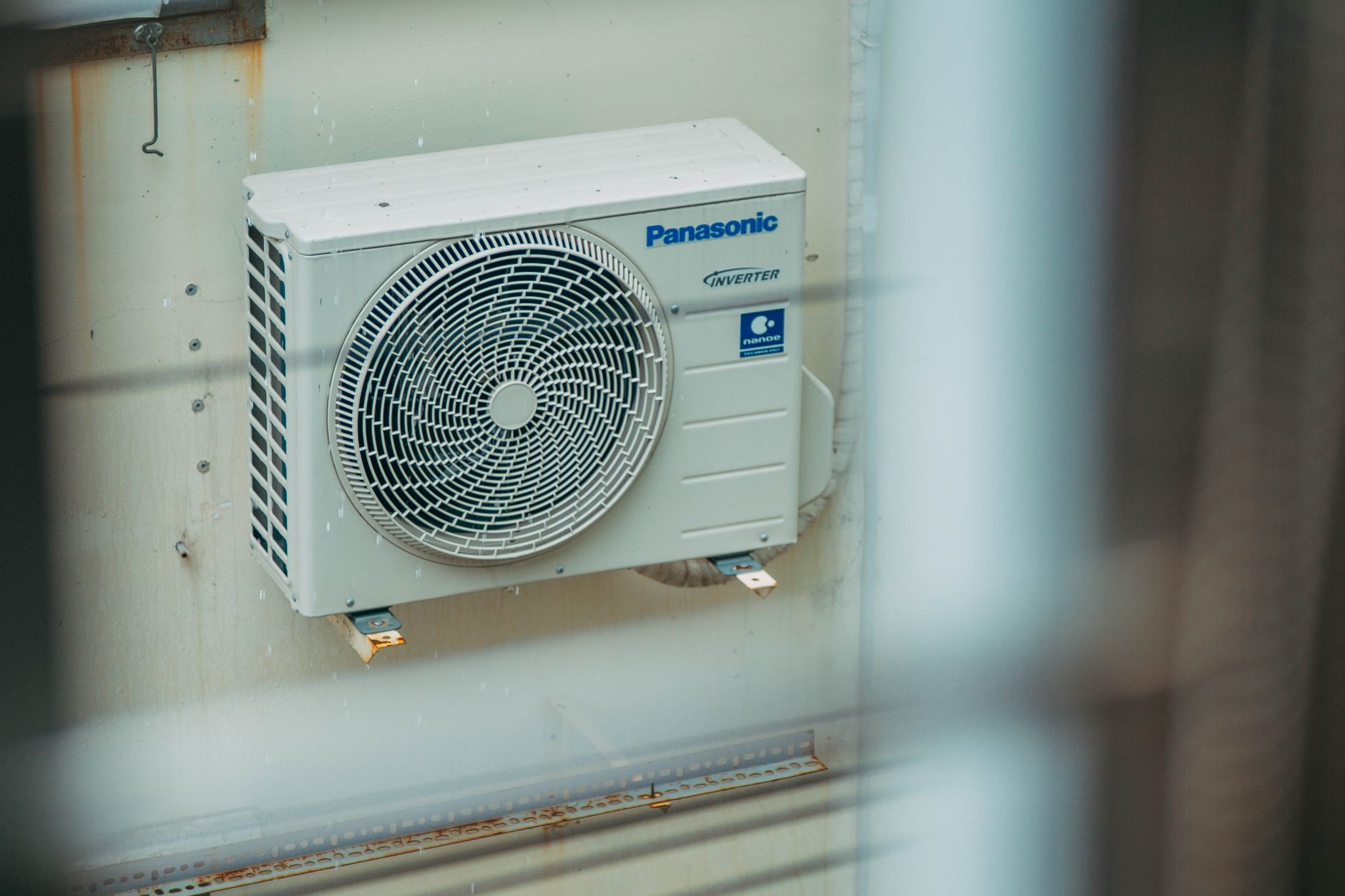
Some dealers have responded by diversifying into HVAC services, including heat pump installation and maintenance. The logic is defensible – a customer base is still a customer base, even if the product changes. A dealer who installs a heat pump for a longtime oil customer at least preserves the service relationship and creates a new revenue stream in annual maintenance contracts. A growing number of regional dealers have pursued HVAC licensing specifically to stay relevant as their core product loses market share.
The transition is not clean, though. Installing and servicing heat pumps requires different training, different equipment, and different labor than delivering fuel oil. A driver with 20 years of delivery experience is not automatically qualified to service a variable-speed compressor. The workforce gap is real, and it takes time and money to close. Smaller dealers without the capital to retrain staff or add service vehicles are in a harder position – they face declining volumes without an obvious pivot.
Consolidation is accelerating as a result. Larger regional distributors with the balance sheets to absorb volume losses and invest in diversification are buying out smaller dealers who cannot weather the transition. This mirrors a pattern visible in other industries facing structural demand erosion – the strong absorb the weak, and the market ends up with fewer, larger players. For rural communities where a local oil dealer was also a local employer and a community fixture, that consolidation means jobs and tax revenue leaving town.
State governments are watching this carefully, because heating oil taxes and associated fees contribute to transportation and energy fund revenues. A sustained multi-year decline in consumption creates a quiet budget problem – not catastrophic on its own, but compounding alongside other fiscal pressures. Maine, where roughly half of all homes still heat with oil, faces this math more acutely than most.
What Replaces the Infrastructure Left Behind
The physical infrastructure of the heating oil supply chain – tank farms, distribution terminals, delivery fleets – does not disappear overnight. Much of it will gradually be repurposed, idled, or decommissioned over the next two decades as residential demand continues to shrink. Some terminal operators are already exploring conversions to renewable diesel or biodiesel blends, which can move through existing infrastructure and serve commercial customers who are not switching to electricity at the same pace as homeowners.

The households left on heating oil as adoption of heat pumps spreads face a specific risk: as the customer base shrinks, delivery costs for remaining customers tend to rise. Dealers serving thinner routes pass higher per-gallon costs down the chain. Low-income households, who are least likely to have the upfront capital for a heat pump installation even with rebates, could end up paying premium prices to heat with a fuel that the broader market is walking away from. That affordability gap is an unresolved policy problem – one that rebate programs and weatherization assistance have not yet fully addressed.
Frequently Asked Questions
Why is heating oil demand dropping in the Northeast?
Heat pump installations have surged due to federal tax credits, state rebates, and falling equipment costs, permanently removing households from the heating oil market.
How are heating oil dealers responding to declining demand?
Many are diversifying into HVAC services, including heat pump installation and maintenance, while smaller dealers without that capital are being absorbed by larger regional distributors.