



Homebuilders across the Sun Belt are pulling back on permit applications at a rate not seen since the early months of the 2022 rate shock, and the pattern is concentrated in exactly the markets that boomed hardest during the remote-work migration wave.
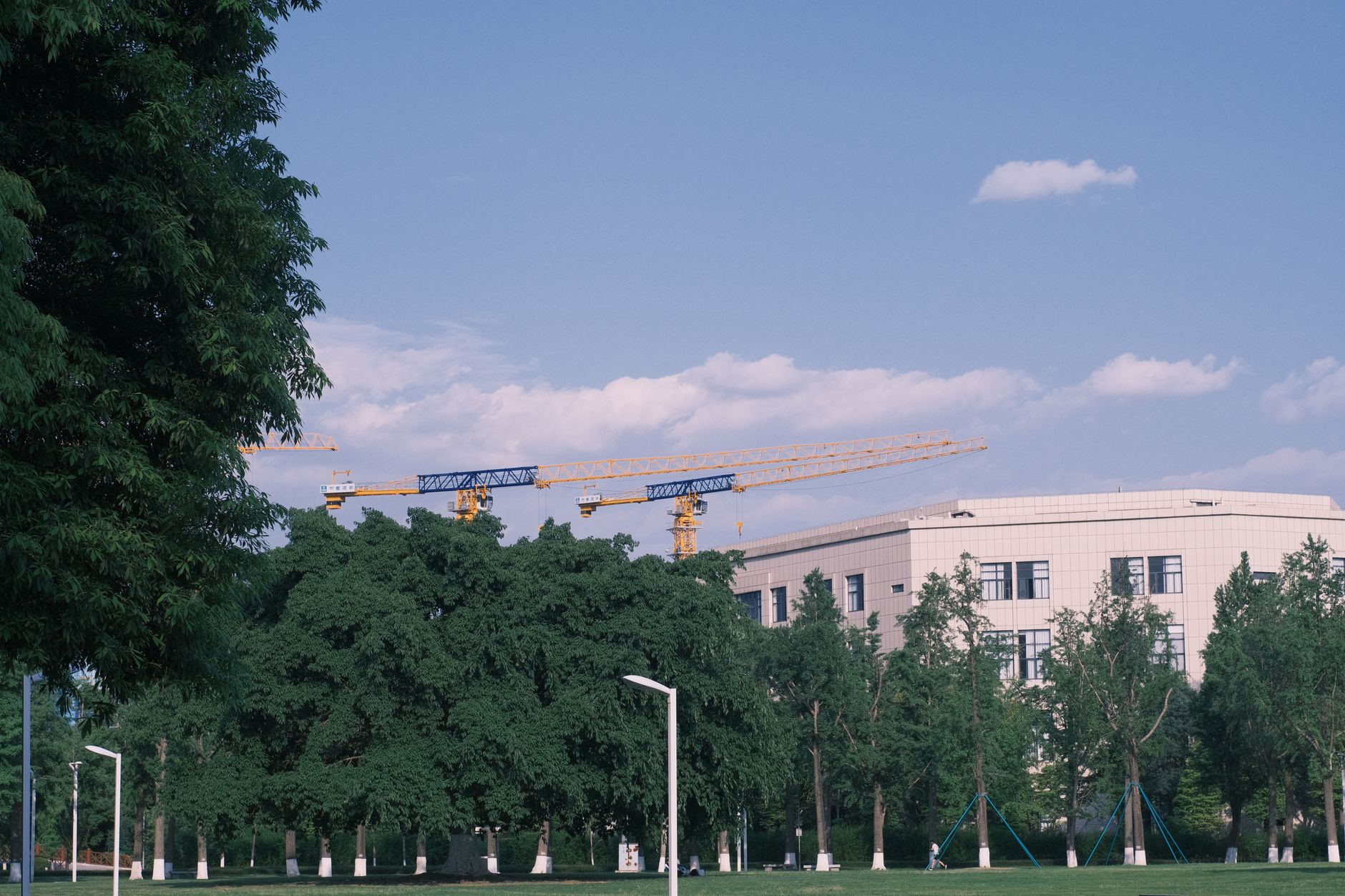
Permits Drop Where Growth Was Loudest
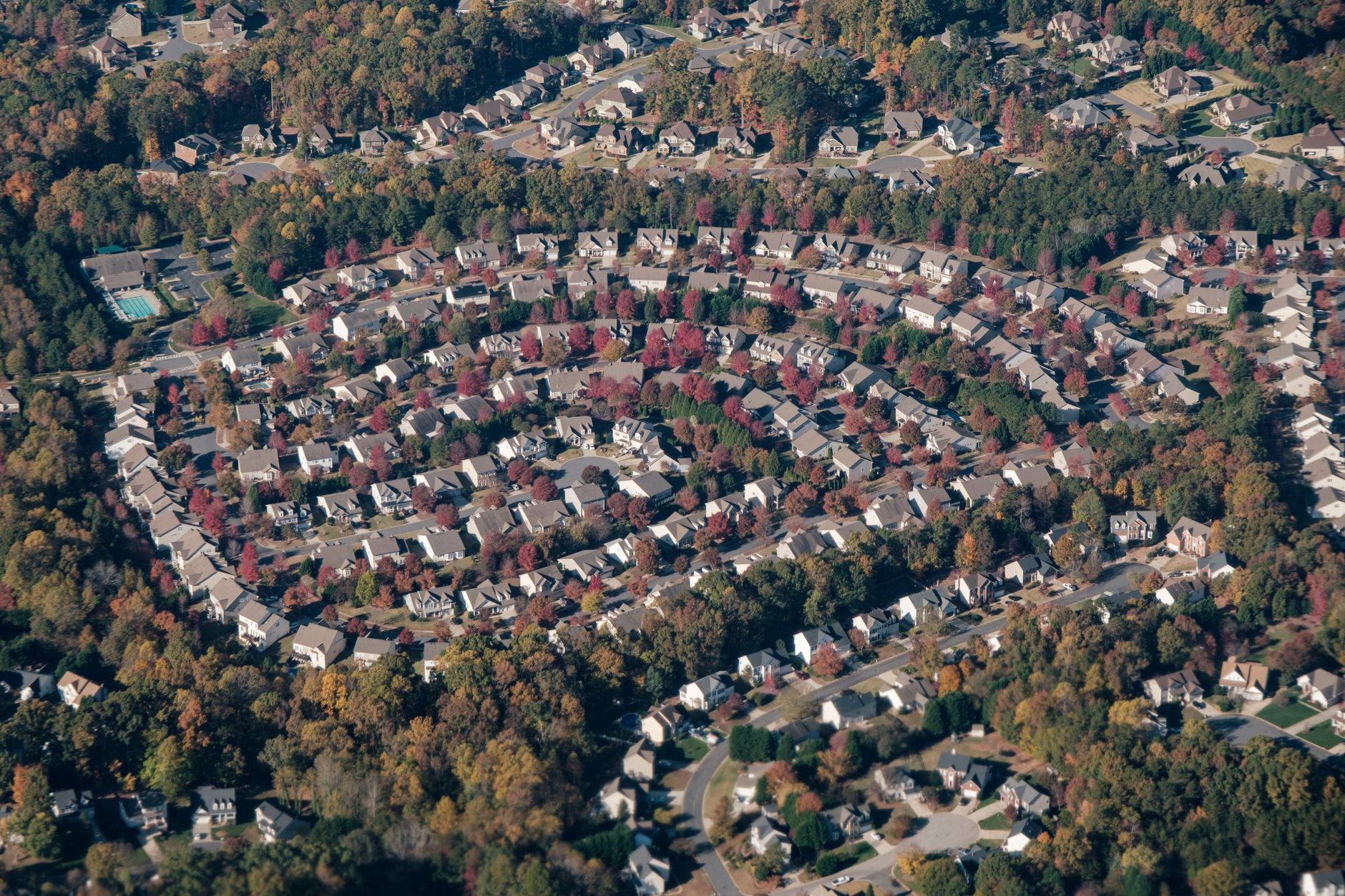
The slowdown is most visible in second-tier Sun Belt metros – places like Huntsville, Alabama; Boise, Idaho; and the outer suburbs of Phoenix and Austin – where land was cheap, zoning was permissive, and builders rushed in to meet what looked like insatiable demand. Single-family permit volumes in these corridors have declined meaningfully over the past several quarters, reversing a multi-year surge that reshaped entire counties. The retreat is not uniform, but the geography of the pullback maps almost exactly onto the geography of the overbuilding.
Mortgage rates are the most direct cause. When a 30-year fixed mortgage costs more than twice what it did in 2021, the pool of qualified buyers shrinks fast. Builders who locked in land contracts and construction financing at earlier assumptions are now staring at finished homes that carry monthly payments their target buyers cannot manage. Rather than complete more inventory into a soft market, many are simply not pulling new permits. The math does not work at current rates, and most builders have been burned enough times to recognize that.
The permit data captures something that listed inventory numbers can obscure. A builder who stops pulling permits does not show up in active listing counts or days-on-market averages. The signal is quieter – visible in municipal building departments and Census Bureau construction statistics – but it reflects a genuine decision by development capital to pause. That pause, stretched across dozens of metros simultaneously, adds up to a real contraction in future supply.
Labor cost pressure compounds the rate problem. Framing crews, electricians, and HVAC contractors in high-growth Sun Belt markets command wages that climbed sharply during the boom and have not come back down. Material costs, while off their pandemic peaks for lumber, remain elevated for concrete, copper wiring, and roofing. A builder facing both a compressed buyer pool and a cost structure that has not deflated proportionally has limited options: cut margins, cut prices, or cut permits. Most are choosing the third.
What a Cooling Permit Market Actually Means
The immediate effect of fewer permits is less construction employment in the near term. Framing subcontractors and site crews who kept full schedules through 2021 and 2022 are now reporting lighter backlogs. This matters for local economies in Sun Belt metros where construction became a significant employment base. A county that issued 4,000 single-family permits in 2022 and is on pace for 2,200 this year will feel that difference in payroll taxes, equipment rentals, and material purchases.
For buyers, the arithmetic is counterintuitive. Fewer permits mean less future supply, which – all else equal – puts a floor under prices even as current affordability remains stretched. The Sun Belt does not face a shortage of existing inventory the way the Northeast or parts of California do, but a sustained permit pullback will eventually tighten conditions again. Buyers hoping to wait out a significant price correction may find that the correction never fully arrives because the supply side adjusts faster than demand erodes.
Builders are not walking away from Sun Belt markets entirely. They are repositioning. Several large publicly traded homebuilders have shifted focus toward entry-level price points and smaller square footages, trying to manufacture affordability by shrinking the product rather than accepting lower margins on larger homes. Some are also experimenting with built-to-rent configurations, developing single-family homes for institutional landlords rather than individual owner-occupants – a segment where financing structures differ and bulk sales de-risk the project.
Municipal governments in fast-growth Sun Belt counties face a fiscal squeeze from this pullback that does not get enough attention. Impact fees, permit revenue, and the property tax base built on rising assessments all depend on continued construction activity. A county that budgeted based on 2022 permit volumes and is now processing half that number has a revenue problem. Some have already begun revising capital improvement plans and delaying road and utility projects that were predicated on developer contribution agreements tied to new construction.
The connection between construction slowdowns and broader economic stress shows up in unexpected places – including rising copper scrap theft, which tends to track idle job sites and reduced security. That relationship is a useful reminder that a permit pullback is not an abstraction. It produces physical consequences across the supply chain that feeds a building boom.
Where This Goes From Here
The Federal Reserve’s rate trajectory will determine how long this pause lasts. If mortgage rates fall meaningfully – say, toward the mid-5 percent range – the buyer pool expands quickly and builders have every incentive to restart permit applications. Sun Belt land is still there, zoning in most of these markets remains relatively permissive, and the fundamental demand story – Americans moving toward lower-cost, lower-tax states – has not reversed. The infrastructure for a resumed boom is intact. What is missing is the financing math that makes it pencil out.
The harder question is what happens to the inventory that is already built and sitting. Finished spec homes in outer Phoenix suburbs or along the Austin exurban corridor represent capital that needs to turn over. Builders carrying that inventory are not neutral on rate cuts – they are desperate for them. Every month a finished home sits unsold is a month of carrying costs against an asset that is not appreciating. That pressure may push some builders toward price cuts that the permit data alone would not predict, and those price cuts, if they materialize, will complicate the “supply floor” thesis for buyers watching from the sidelines.
Frequently Asked Questions
Why are homebuilders pulling back permits in Sun Belt markets?
High mortgage rates have shrunk the pool of qualified buyers, while construction costs remain elevated, making new projects financially unviable at current margins.
Will fewer permits lead to lower home prices in Sun Belt cities?
Not necessarily. Reduced supply can put a floor under prices even when demand softens, which may limit the size of any price correction buyers are waiting for.