





Permits Down, Problems Ahead
When homebuilders stop pulling permits, the housing market does not feel it immediately. There is a lag – sometimes six months, sometimes a year – between the moment a builder decides not to break ground and the moment a buyer realizes there is nothing left to purchase. That lag is closing right now. Permit applications across multiple U.S. regions have dropped sharply over the past two quarters, and the pipeline of new homes that would have hit the market in late 2025 and into 2026 is getting thinner by the month.
This is not a random fluctuation. Builders are making deliberate decisions to slow down, and the reasons behind those decisions involve a convergence of cost pressure, mortgage rate uncertainty, and a buyer pool that is stretched far beyond comfort. The consequences will ripple across the rental market, the resale market, and the broader economy in ways that are only beginning to come into focus.

What the Permit Data Actually Shows
Single-family permit issuance has pulled back in several high-growth markets where new construction had been absorbing demand pressure. Markets in the Sun Belt – which saw aggressive building through 2021 and 2022 – are now recording permit volumes well below their recent peaks. Multifamily permits, which briefly surged as developers chased rental demand, are also retreating as financing costs have made those projects harder to pencil out. The retreat is not uniform, but the directional trend is consistent enough to treat as a signal rather than noise.
Part of what makes this pullback distinct is timing. Builders are not just reacting to slow sales – they are anticipating them. When a builder declines to pull a permit today, that decision reflects a judgment about where the market will be in twelve to eighteen months, when that home would actually be ready to sell. The collective reading of the market right now is cautious at best, and in some metros, genuinely pessimistic.
The Cost Equation Has Broken Down
Construction costs never returned to pre-2020 levels. Labor is more expensive. Materials – particularly lumber, concrete, and copper – have stabilized from their peak spikes but remain elevated relative to historical baselines. Insurance costs for both the construction phase and the finished home have climbed in ways that developers did not fully model into their original pro formas. In high-risk states like Florida and California, insurance alone has become a line item that can derail a project’s economics.
At the same time, the buyers who need new construction most are exactly the buyers who can afford it least. Entry-level new homes – which builders have long underbuilt relative to demand – require a mortgage payment that, at current rates, puts the monthly cost well above what the median first-time buyer household earns. Builders cannot cut prices without cutting margins that are already compressed, and they cannot cut costs fast enough to compensate for where interest rates have settled.
Some builders have experimented with rate buydowns, offering to subsidize a buyer’s mortgage rate for the first few years of the loan. That strategy has kept some sales moving, but it is expensive, and it only works if the buyer believes rates will eventually fall enough to refinance before the buydown expires. As rate cut expectations have been repeatedly pushed back, that bet looks less attractive on both sides of the transaction.
The financing environment for builders themselves has also tightened. Construction loans carry variable rates, and the carrying costs on a development that takes eighteen months to complete are meaningfully higher than they were three years ago. Smaller regional builders, who do not have the balance sheet flexibility that national players carry, have been hit hardest. A number of them have simply stopped building new projects until conditions shift.
What a Supply Drought Actually Feels Like
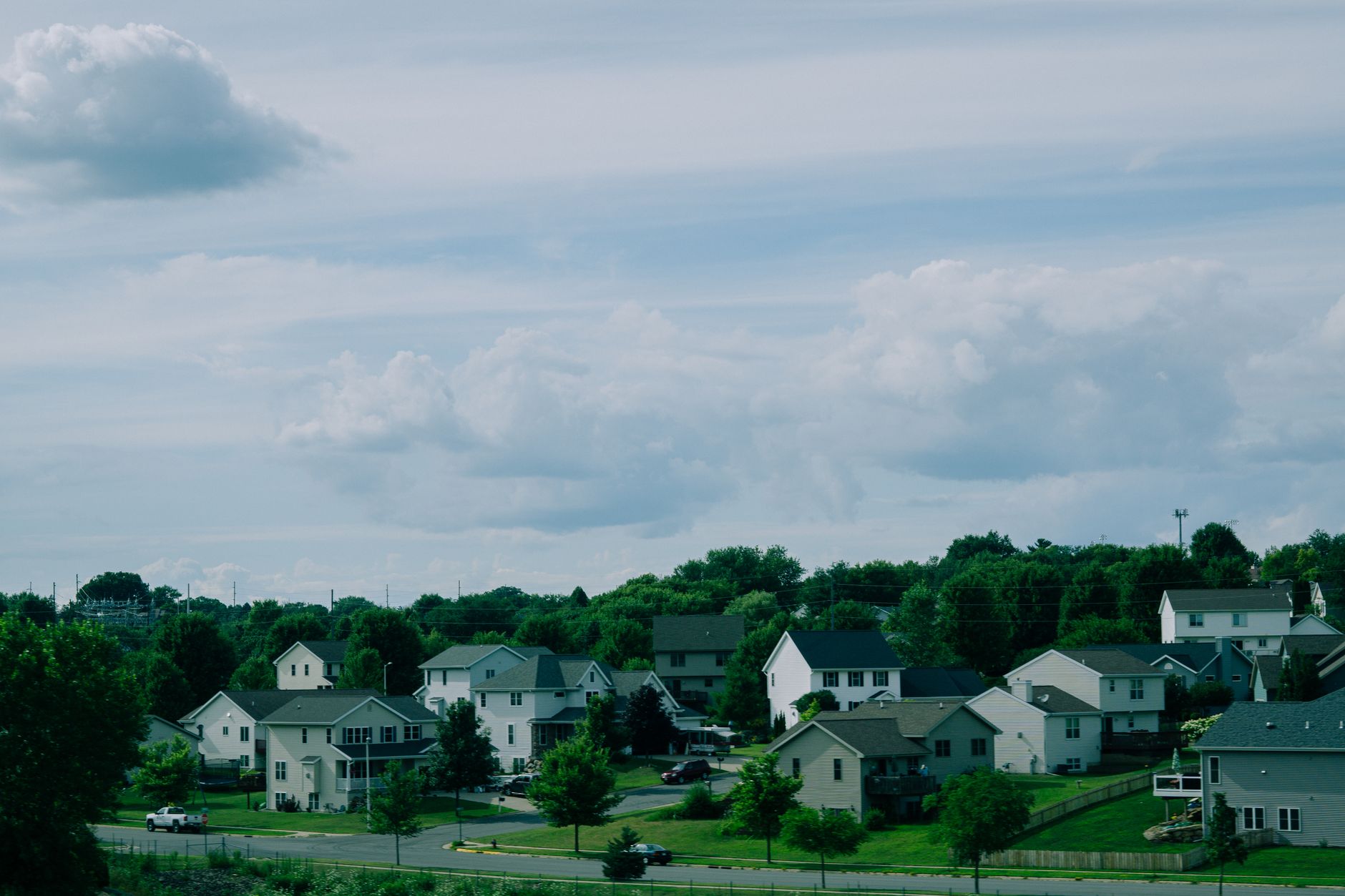
Supply shortfalls in housing do not announce themselves cleanly. They show up gradually – as rising asking prices on the limited inventory that does exist, as rental vacancy rates tightening in markets where renters expected to become buyers but could not, and as existing homeowners who want to move deciding it is not worth giving up their locked-in low-rate mortgage for something smaller and more expensive. The market gets stickier and more frustrating, not dramatically broken.
That said, certain markets will feel the pinch harder than others. Cities where population growth remains positive but building has stalled face a particularly sharp mismatch. When job growth keeps bringing workers into a metro and new housing is not being added, the price floor for both rentals and purchases gets pushed up. That dynamic is already visible in several mid-sized metros that were once positioned as affordable alternatives to coastal cities.
The Policy Gap That Makes It Worse
Local zoning remains the structural bottleneck that no amount of federal commentary has managed to fix. Most of the land near jobs in American cities is still restricted to single-family use, and the permitting and approval process for denser projects can stretch for years before a shovel hits the ground. Even when a developer wants to build and has financing secured, the regulatory timeline can kill the deal.
There have been genuine reforms in some states – Minnesota, Montana, and California have all passed laws loosening single-family zoning restrictions in recent years. But the gap between passing a law and actually seeing units built is substantial. Builders still need financing. Neighbors still mount legal challenges. Cities still control infrastructure hookups and fees. The reforms are real but their effects are slow.
What is missing is any mechanism that compresses the timeline between policy change and housing production in a meaningful way. Federal housing assistance programs have largely focused on the demand side – subsidies, tax credits, and down payment support – without addressing the supply-side bottlenecks that limit how many homes can actually be built. A demand subsidy in a supply-constrained market does not make housing more affordable. It makes sellers more confident about raising prices.

Where This Leaves the Market
The homebuilding industry is not in collapse. Large publicly traded builders still have land banks, still have standing inventory, and still have the cash flow to wait out uncomfortable conditions. But waiting is exactly what they are doing. The production cuts happening now are rational responses to genuine uncertainty, and rational production cuts have irrational downstream effects on the households that need homes and cannot find them.
The 2025 spring selling season will test how much demand has been pent up versus how much has simply evaporated. If buyers come back in volume, builders will move quickly – land acquisition, permit applications, and vertical construction can ramp up faster than people expect when the economics justify it. But if the spring season disappoints, the pullback in permits will deepen, and the supply gap heading into 2026 will be harder to close than the one we are already facing.
The households most exposed to a prolonged construction drought are not the ones shopping for a fourth bedroom in a suburb. They are the renters in tight markets who were counting on new apartment supply to keep rents from climbing further, and the first-time buyers who have been waiting years for a window that keeps failing to open. For them, a builder’s decision not to pull a permit is not an abstract data point – it is the door closing again.
Frequently Asked Questions
Why are homebuilders pulling fewer permits right now?
Builders are responding to high construction costs, elevated mortgage rates, and uncertain buyer demand, making new projects financially risky to start.
How will permit pullbacks affect home prices?
Reduced new construction limits housing supply, which tends to push prices higher on existing inventory and tighten rental markets in high-demand cities.