





The lithium market is in freefall – not from a lack of interest in electric vehicles, but from a fundamental mismatch between how fast mines were built and how slowly consumers are actually buying EVs. The gap between supply projections and real-world demand has pushed lithium prices to multi-year lows, and the fallout is spreading across the mining sector fast.
A Bet That Got Too Big, Too Fast
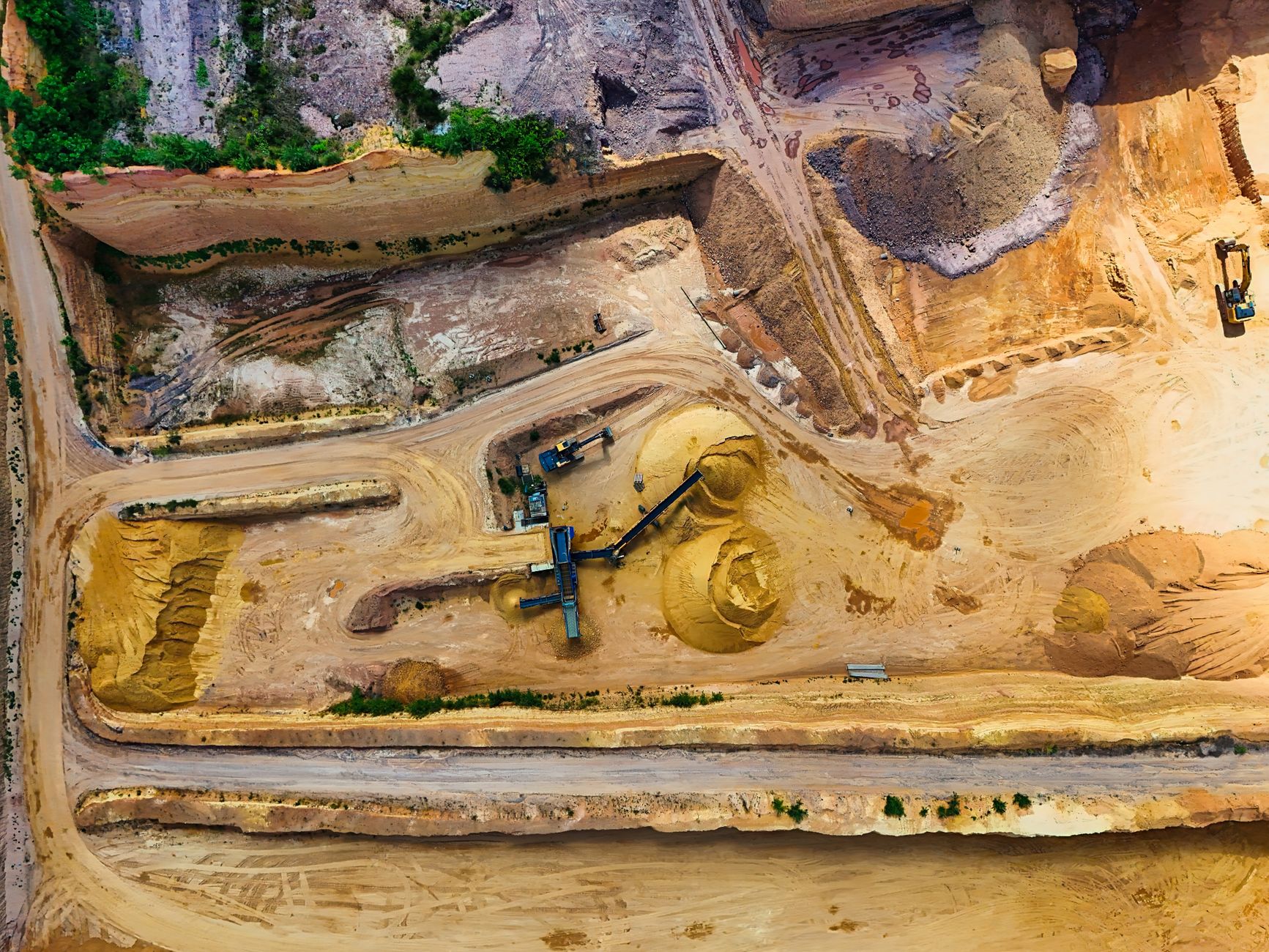
Between 2020 and 2023, lithium mining investment exploded. Governments in Australia, Chile, and Argentina poured capital into extraction projects on the assumption that EV adoption would follow an almost vertical curve. Automakers were making bold public pledges – full electrification by 2030, 2035 at the latest – and mining companies priced their expansion plans accordingly. The math seemed straightforward: more EVs require more batteries, more batteries require more lithium. What the models missed was the friction on the consumer side.
EV sales growth has continued, but not at the pace the supply chain was built to accommodate. In major markets including the United States and Germany, sales growth rates have slowed sharply from their 2022 peaks. Price-sensitive buyers are hesitating over charging infrastructure gaps, higher insurance costs, and the simple reality that sticker prices for electric vehicles remain above the average household comfort zone. Fleet electrification programs, which were supposed to anchor commercial demand, have also moved slower than projected due to procurement delays and budget constraints.
The result is a lithium carbonate spot price that has dropped well below the break-even threshold for many newer mining operations. Prices that once hovered above $70,000 per metric ton in late 2022 have since collapsed by more than 80 percent, settling into a range that makes expansion projects difficult to justify and existing high-cost mines genuinely unprofitable. Some junior miners have already suspended operations. Others are burning through cash reserves while waiting for a price recovery that shows no sign of arriving on a fixed schedule.
The supply overhang is partly structural. Major lithium-producing nations – particularly Australia, which accounts for a substantial share of global spodumene output – ramped up capacity with years-long lead times baked in. Those projects cannot simply be switched off the moment spot prices dip. The capital is already spent, the workforce is contracted, and the political pressure to keep mines open is intense in regions where mining is a primary employer. So supply keeps coming even as demand growth disappoints.
Who Is Absorbing the Losses
The pain is not evenly distributed. Large, vertically integrated players with diversified mineral portfolios have the balance sheet depth to ride out a prolonged downturn. A major producer with copper, nickel, and iron ore operations can cross-subsidize a struggling lithium division, at least temporarily. The companies without that cushion – pure-play lithium producers, particularly those that came online at the height of the price surge – are in a far more exposed position.
Investors are taking notice. Lithium-focused equities have shed enormous value since the 2022 peak, and the correction has not spared even well-regarded operations. Battery materials funds that were marketed aggressively to retail investors during the EV frenzy are sitting on deep losses, and the narrative that lithium was a one-way bet now looks dangerously oversimplified. Some institutional investors have quietly rotated out of the sector, waiting for a cleaner entry point rather than averaging down into continued uncertainty.
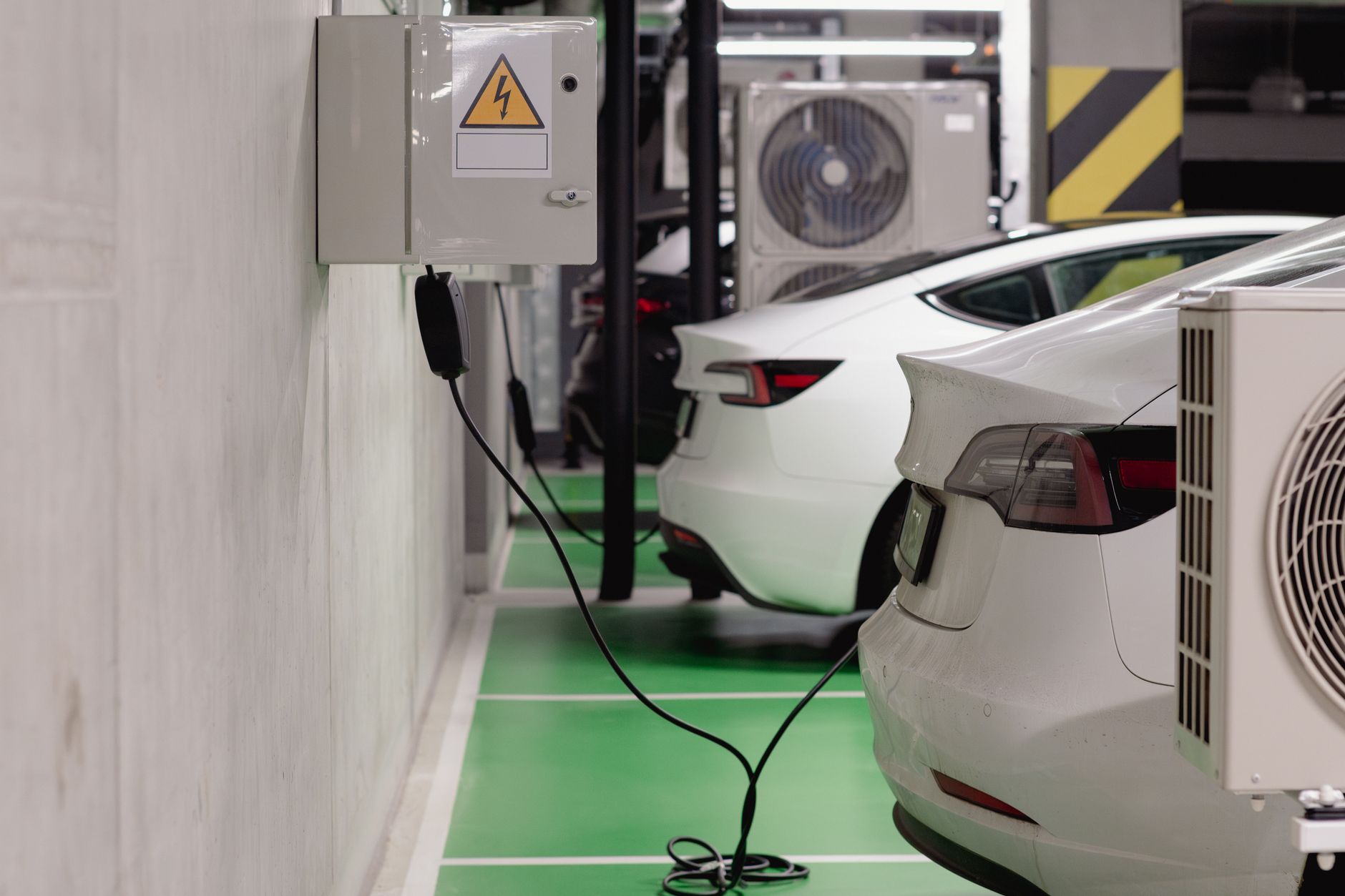
On the automaker side, the dynamic is complicated. Car companies that locked in long-term lithium supply agreements during the price peak are now paying above-market rates for a material that is trading far cheaper on the spot market. That creates an unusual incentive: some manufacturers would actually benefit in the short term from breaking or renegotiating contracts, and quiet discussions around offtake restructuring are reportedly underway across the industry. For miners holding those contracts, the counterparty risk has become a live concern rather than a theoretical one.
Battery manufacturers sitting between miners and automakers are in a slightly different position. Lower lithium input costs are, in principle, good for their margins – but only if they can translate those savings into competitive pricing without being squeezed by automakers demanding the full benefit. The negotiating dynamics along the battery supply chain are shifting week by week, and the party with the least leverage is consistently the primary extractor at the front of the chain.
China adds another layer of complexity. Chinese lithium producers and battery manufacturers operate under a different cost and subsidy structure than their Western counterparts, and Chinese EV adoption – while also moderating from earlier projections – remains more robust than in European markets. That means Chinese buyers are still active in the lithium market, but at volumes and price points that reflect their own domestic economics, not the aspirational figures that Western mining ventures were underwritten against.
What a Prolonged Glut Actually Means
If lithium prices remain depressed for an extended period, the investment pipeline for future supply will contract sharply. Projects that are still in feasibility or permitting stages will struggle to secure financing when current operations cannot generate positive cash flow. That sets up a potential supply crunch on the other side of the trough – the same boom-bust logic that has plagued copper, nickel, and cobalt for decades. The lithium market, despite all the sophisticated modeling that surrounded the energy transition narrative, may simply be running the classic commodity cycle with a green paint job.

For governments that staked industrial policy on domestic lithium supply chains – including the United States under the Inflation Reduction Act framework – the glut creates an awkward moment. Subsidies designed to attract mining investment look harder to justify when the commodity in question is in structural oversupply and domestic producers are losing money. The policy conversation is shifting toward whether support should focus upstream on mining, or further downstream on battery manufacturing and vehicle assembly where the value capture is higher and the price volatility less immediately damaging. That question does not have a clean answer, and the political pressure to protect mining jobs in specific constituencies will make any pivot complicated.