




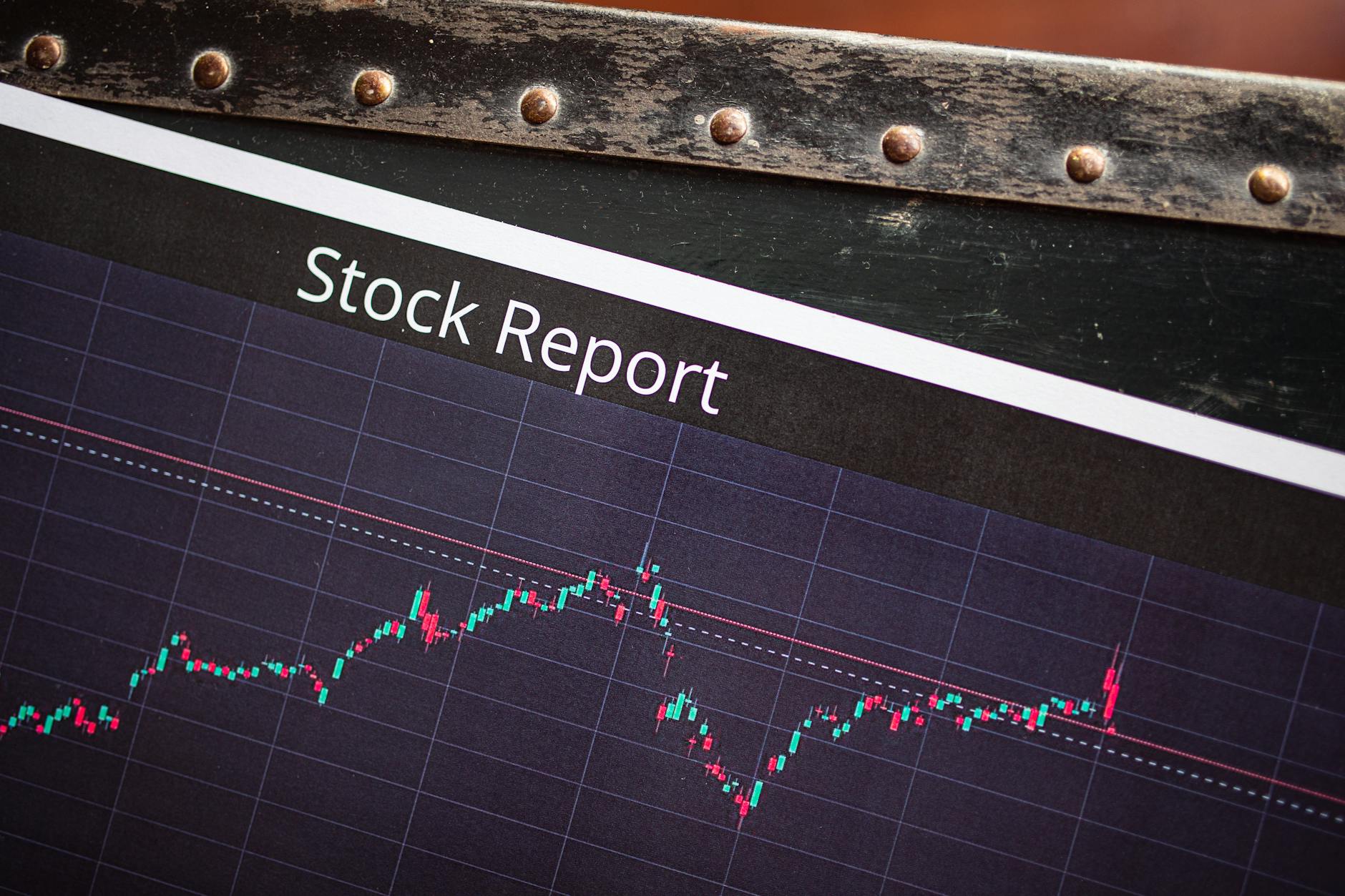
Lithium mining stocks are facing their steepest decline in two years as investors pivot toward companies developing alternative battery technologies that could reduce dependence on the white metal. Major lithium producers have shed nearly 30% of their market value since September, with analysts pointing to breakthrough developments in sodium-ion and solid-state batteries as key catalysts for the sell-off.
The retreat marks a dramatic reversal for an industry that dominated headlines during the electric vehicle boom. Lithium prices have fallen from record highs above $80,000 per ton to current levels around $15,000, while mining giants like Albemarle Corporation and SQM have watched their stock prices tumble alongside commodity futures.
Sodium-Ion Technology Gains Momentum
Chinese battery manufacturer CATL has accelerated production of sodium-ion batteries, which use abundant salt instead of lithium as a key component. The technology offers several advantages over traditional lithium-ion cells, including faster charging times and better performance in cold weather conditions. Major automakers including BYD and Chery have already begun integrating sodium-ion batteries into electric vehicles for the Chinese market.
“The sodium-ion breakthrough changes the entire supply chain equation,” said Maria Rodriguez, energy analyst at Goldman Sachs. “We’re looking at a raw material that’s virtually unlimited compared to lithium’s geographic constraints.”
Tesla CEO Elon Musk recently hinted at the company’s interest in sodium-ion technology during the latest earnings call, though he stopped short of announcing specific implementation plans. The comments sent lithium mining stocks down another 5% in after-hours trading, while sodium extraction companies saw corresponding gains.
Solid-State Batteries Challenge Market Dynamics
Toyota and Samsung have made significant progress in solid-state battery development, with both companies announcing plans for commercial production within the next three years. These batteries promise higher energy density and improved safety compared to current lithium-ion technology, while potentially using less lithium overall.
QuantumScape, backed by Volkswagen, reported successful testing of its solid-state battery prototype that could charge to 80% capacity in just 15 minutes. The technology uses a ceramic separator instead of liquid electrolyte, reducing lithium content by approximately 40% compared to conventional batteries.
The development has prompted several mining companies to diversify their portfolios. Piedmont Lithium announced plans to invest in rare earth mining operations, while Livent Corporation has expanded its focus to include battery recycling technologies.
Mining Companies Adapt to Changing Landscape
Traditional lithium miners are responding to market pressures by restructuring operations and exploring partnerships with battery manufacturers. Albemarle recently signed a joint venture agreement with General Motors to develop lithium extraction techniques that reduce environmental impact while maintaining cost competitiveness.
Some analysts view the current decline as an overcorrection, noting that lithium demand will likely remain strong for the next decade regardless of alternative technologies. The International Energy Agency projects that global lithium demand will increase sixfold by 2030, driven by continued electric vehicle adoption and grid-scale energy storage projects.
“Alternative battery chemistries won’t replace lithium overnight,” explained David Chen, portfolio manager at Fidelity’s energy sector fund. “The infrastructure and manufacturing capabilities for lithium-ion batteries represent billions in sunk costs that companies won’t abandon quickly.”
The mining sector’s struggles reflect broader concerns about activist investors targeting underperforming climate tech companies, as pressure mounts for cleaner extraction methods and more sustainable supply chains.
Geographic and Political Implications
China’s dominance in sodium-ion battery production has raised strategic concerns among Western governments, who view lithium mining as a way to reduce dependence on Chinese battery supply chains. The Biden administration’s Inflation Reduction Act includes substantial subsidies for domestic lithium extraction and processing, but these incentives may lose effectiveness if alternative technologies gain widespread adoption.
Australia, which produces nearly half of the world’s lithium, faces particular economic risks from the technology shift. The country’s mining sector has invested heavily in lithium infrastructure, including new extraction facilities and port expansions specifically designed for lithium exports.
Meanwhile, currency volatility continues to affect international mining operations, with exchange rate fluctuations impacting ETF performance across the commodities sector.
Looking Ahead: Market Adaptation and Innovation
The lithium mining decline represents more than a temporary setback – it signals a fundamental shift in how investors value battery supply chain companies. Firms that can demonstrate flexibility and innovation in their approach to energy storage materials are likely to outperform those focused solely on traditional lithium extraction.
Several mining companies are exploring lithium extraction from geothermal brines and oil field waste, techniques that could reduce costs and environmental impact. These innovations may help the industry maintain relevance even as alternative battery technologies mature.
As the energy storage landscape continues evolving, investors are reassessing their exposure to single-commodity plays in favor of diversified battery material portfolios. The companies that successfully navigate this transition will likely emerge stronger, while those that fail to adapt may find themselves obsolete in the rapidly changing battery technology ecosystem.
Frequently Asked Questions
Why are lithium mining stocks declining?
Alternative battery technologies like sodium-ion and solid-state batteries are reducing dependence on lithium, causing investor concerns about future demand.
What alternatives to lithium batteries are emerging?
Sodium-ion batteries using salt and solid-state batteries with ceramic separators are the main alternatives showing commercial viability.