




Automation Talks Break Down as Longshoremen Push Back
Port labor contracts along the East Coast and Gulf Coast expired earlier this year, and the negotiations that were supposed to follow have hit a wall. The central sticking point is not wages – both sides reportedly made progress on pay – but automation: specifically, which technologies ports can deploy, how fast, and what happens to the workers those machines replace. Until that question gets answered in writing, cargo terminals from New York to Houston are operating under the shadow of a potential strike that could freeze billions of dollars in trade.
The International Longshoremen’s Association, which represents roughly 85,000 dockworkers, has drawn a hard line against automated cranes, robotic cargo handlers, and software systems that eliminate human roles. Port operators and shipping terminal owners, backed by pressure from ocean carriers, argue that automation is the only path to the throughput speeds that modern global shipping demands. Neither side is blinking, and the clock is running.
What the Ports Want – and Why Workers Are Saying No
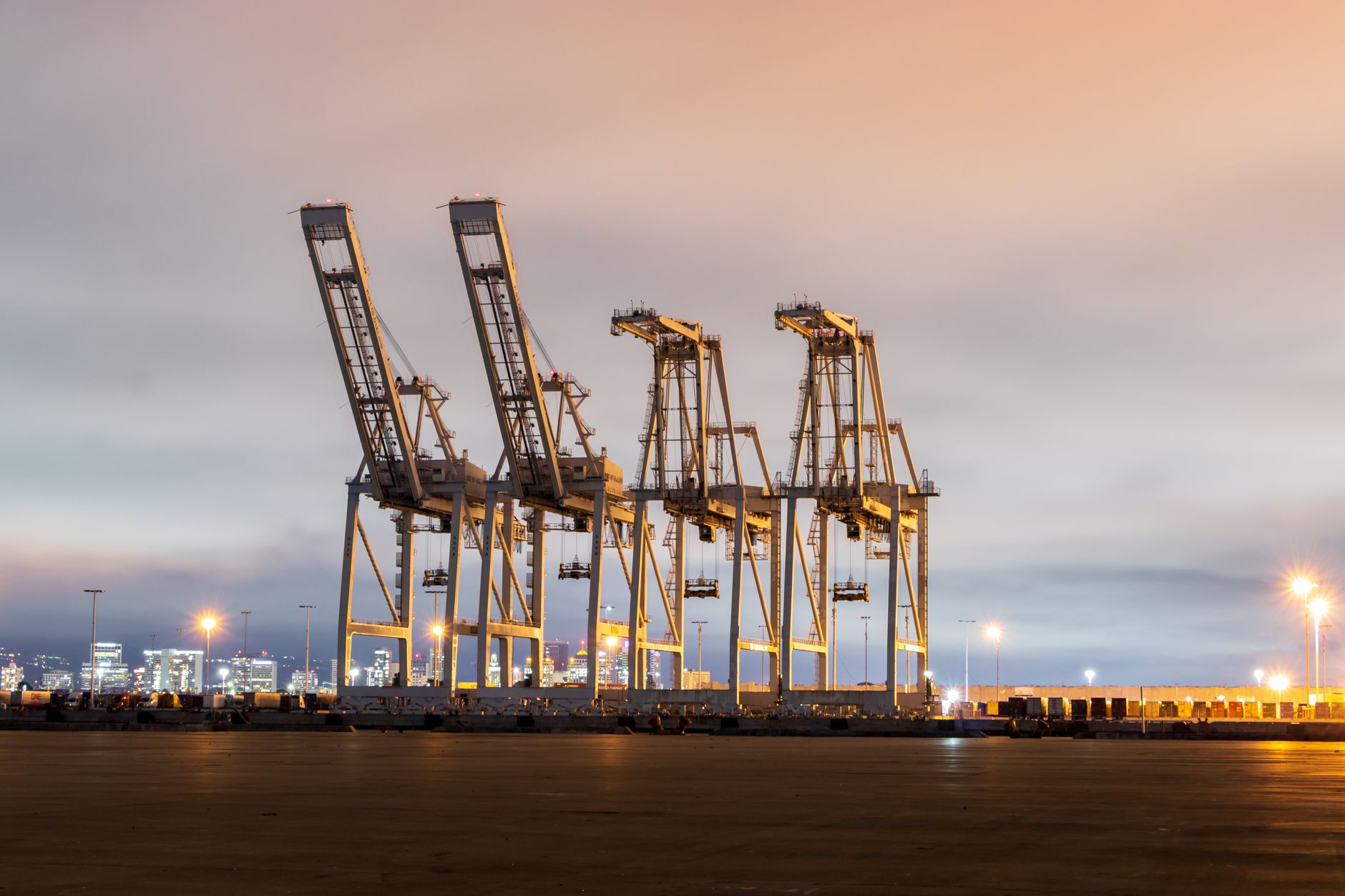
Terminal operators have been watching European and Asian ports – Rotterdam, Singapore, Qingdao – run semi-automated and fully automated facilities for years. The productivity gap is visible and measurable: container moves per hour, ship turnaround times, and labor cost per unit all favor automation when volume is high. American port operators argue they are falling behind not just in speed but in the ability to attract the largest new generation of ultra-large container vessels, which require faster unloading cycles to stay profitable on tight sailing schedules.
For longshoremen, the argument is simpler and more immediate. Automation does not just change a job – it eliminates it. A terminal that once required 40 workers to operate a container yard at full capacity might need eight after full automation, with the remaining roles focused on software oversight and maintenance. The ILA’s position is not that technology is bad in the abstract; it is that the union will not sign a contract that lets ports decide unilaterally how many of those displaced workers get retraining, reassignment, or severance. Without specific language guaranteeing job counts or transition benefits, no deal.
The Economic Pressure Building on Both Sides
A prolonged work stoppage at East and Gulf Coast ports would move through the supply chain fast. Retailers stocking for the holiday season, auto manufacturers waiting on parts, and agricultural exporters with time-sensitive shipments would all feel delays within days. A strike or slowdown that stretches even two weeks triggers ripple effects – air freight surcharges, vessel diversions to West Coast ports, and inventory shortfalls – that take months to fully clear. Small importers are already managing fragile supply chains, and port disruption would compound the pressure many are already facing from tariff-related order cancellations.
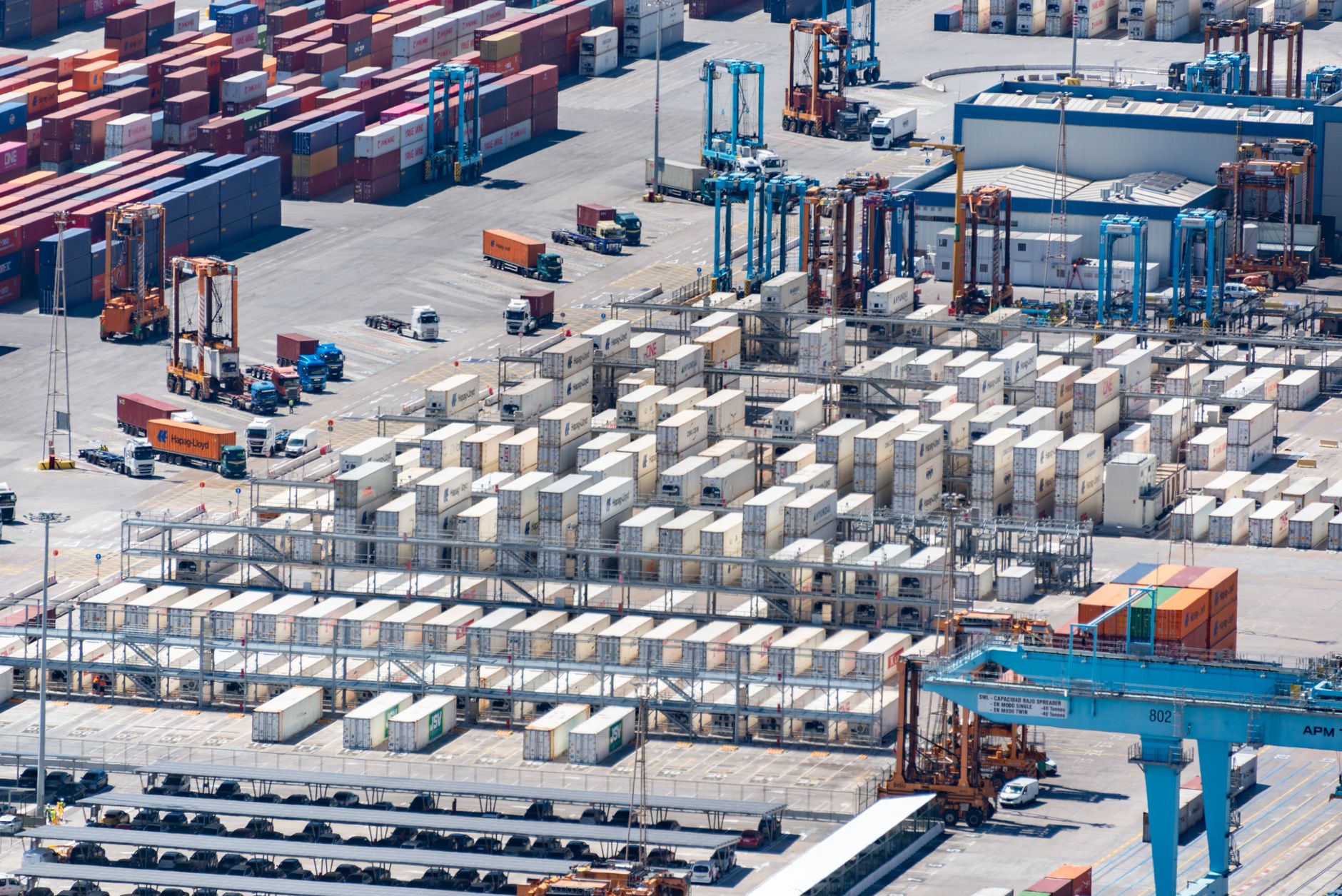
On the port side, the financial pressure runs the other direction. Terminal operators who have already invested in semi-automated equipment – cranes with remote operator controls, automated guided vehicles for yard movement – need contract language that lets them actually use it. Equipment sitting idle because a contract dispute prevents deployment is capital burning interest with zero return. Several major terminal operators have reportedly delayed further automation investment pending contract resolution, creating a freeze that hurts both operational upgrades and the construction jobs tied to infrastructure buildout.
The shipping lines themselves are quietly increasing pressure on port authorities and terminal operators to reach a deal, any deal, that restores predictability. Ocean carriers set their schedules and vessel deployments months in advance. Uncertainty over port labor stability feeds into rate calculations, and when carriers price in disruption risk, those costs move downstream to importers and ultimately to consumers. The carriers have little formal role in the labor negotiation, but their influence on port revenues gives them leverage they are not shy about using.
Federal intervention is a possibility but not a certainty. The White House can invoke the Taft-Hartley Act to force an 80-day cooling-off period, as has happened in past West Coast port disputes. Whether the current administration has the political appetite to use that tool against a major union is a different question. Labor-friendly politics and supply chain economics are pulling in opposite directions, and any administration decision to step in – or not – carries significant political cost.

Where Negotiations Actually Stand
The two sides have not walked away from the table entirely, which is meaningful. Wage increases – substantial ones – are reportedly agreed in principle. That agreement is being held together with the understanding that automation language has to follow, but it also means both parties have something to lose if talks collapse completely. A total breakdown would throw wage gains back into dispute alongside everything else, which neither side wants.
Mediation efforts are ongoing, and the specific language being negotiated centers on automation consent clauses – provisions that would require union approval before a terminal can deploy new automated systems above certain thresholds. Port operators are resisting anything that gives the ILA effective veto power over technology decisions, arguing that makes long-term capital planning impossible. The ILA argues that consent clauses are the only mechanism that prevents operators from automating faster than workers can be absorbed into other roles.
The Longer Tension Behind This Specific Contract
This dispute is not really about this contract cycle. Ports are infrastructure built to last decades, and the automation question – once answered in a contract – sets the pattern for the next 20 years of labor relations on the waterfront. The ILA knows that whatever language gets written into this deal becomes the floor, or ceiling, for every subsequent negotiation. Accepting weak automation protections now means spending the next generation fighting to claw them back.
Port operators know the same thing from the other side. Locking in strong union consent language now means expensive arbitration battles every time a new technology appears – autonomous trucks, AI-driven logistics software, next-generation crane systems. The gap between what each side needs this contract to say is not really about money. It is about who controls the pace of change on the American waterfront for the foreseeable future.
That is why the talks keep stalling even when both sides say they want a deal. The automation provisions are not details to be worked out after the main agreement – they are the main agreement. Ports in the interim are managing day-to-day operations with the knowledge that a formal impasse or a strike authorization vote could change everything inside 72 hours. Terminal operators are making contingency plans for diversion scenarios. Ocean carriers are quietly identifying alternative routing options. And longshoremen are watching every new piece of equipment that rolls through the gate.
The next formal bargaining session is scheduled, but no one on either side is describing it as a breakthrough moment. The last time East Coast port talks reached a comparable impasse, the gap closed only after a brief work stoppage forced both sides to calculate what a prolonged shutdown would actually cost them. Whether this round reaches the same point before a deal gets signed is the question every supply chain manager with cargo on the water is asking right now.
Frequently Asked Questions
Why are longshoreman contract talks stalling?
The main dispute is over automation rights – specifically whether unions must consent before terminals deploy new automated equipment – not wages, which are reportedly close to agreed.
What happens if East Coast ports go on strike over automation?
A strike would quickly disrupt retail, manufacturing, and agriculture supply chains, trigger air freight surcharges, and potentially force cargo rerouting to West Coast ports for weeks.