




A Deal That Almost Held
Contract negotiations between the International Longshoremen’s Association and the United States Maritime Alliance have broken down again, with automation rights back at the center of the dispute. The two sides reached a tentative wage agreement late last year, but talks on the full master contract have since collapsed over a clause that would give port operators broader authority to deploy automated equipment at major East and Gulf Coast terminals.
The breakdown matters well beyond the docks. East and Gulf Coast ports handle roughly half of all U.S. containerized cargo, and any prolonged work stoppage – or even the credible threat of one – can send ripple effects through retail supply chains, agricultural exports, and manufacturing inputs. Shippers that pulled forward inventory ahead of last year’s brief strike deadline are already signaling they cannot absorb another round of emergency logistics costs.
Why Automation Keeps Killing the Deal
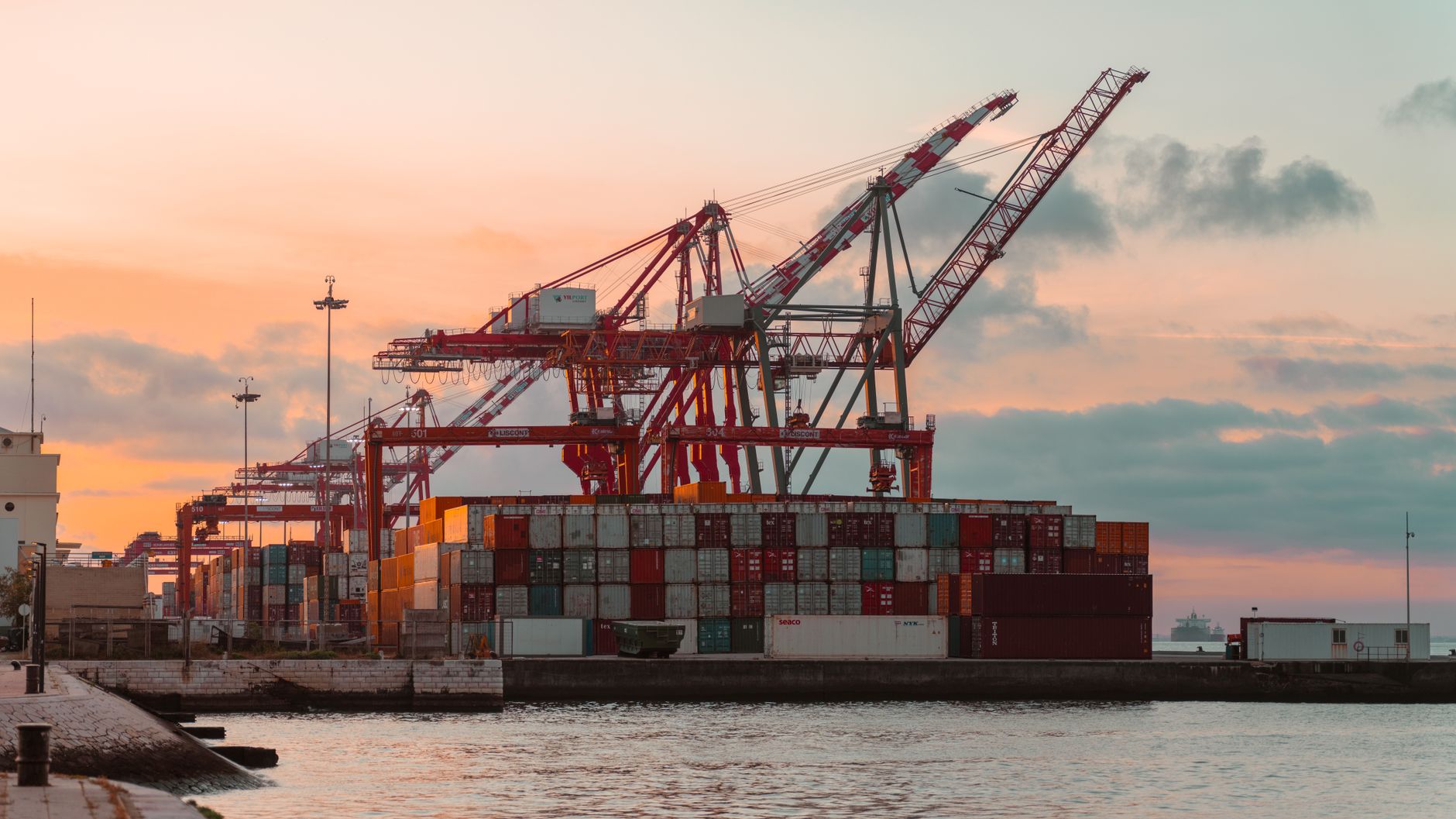
Port automation is not a new demand. Terminal operators have been pressing for it for over a decade, arguing that automated cranes and guided vehicle systems reduce error rates, cut per-container handling costs, and allow terminals to run closer to full capacity around the clock. The ILA’s position has been equally consistent: every machine that replaces a worker is a job that disappears, and any contract language that opens the door to automation is language that shrinks the union’s long-term relevance.
What changed this cycle is the scale of the ask. Operators are no longer proposing automation as a pilot program at one or two terminals. The language being pushed would allow automation upgrades across the full range of USMX member facilities, subject to a notification process rather than a negotiation. From the ILA’s perspective, that is not a compromise – it is a concession dressed up as a procedure. The union walked away from the table in January after that language appeared in a revised proposal, and formal talks have not resumed since.
The economic logic behind the operators’ push is straightforward. Labor costs at major U.S. ports are among the highest in the world, with experienced longshoremen earning well above six figures when overtime and benefit packages are included. Automated systems require upfront capital but carry predictable long-term costs and do not require overtime pay. For terminal operators competing with fully automated facilities in Rotterdam, Shanghai, and Busan, the pressure to close that cost gap is real and ongoing.
But the ILA’s counterargument is also grounded in economics, just from a different vantage point. Port jobs are among the last remaining pathways to a middle-class income without a college degree in many coastal cities. Losing thousands of those positions would not just hurt current members – it would hollow out the tax base and consumer spending capacity of entire port communities. The union points to the experience of West Coast ports, where limited automation at some terminals did not produce the broad productivity gains operators promised, and in some cases created new bottlenecks.

The Pressure Building on Both Sides
Neither party is negotiating in a vacuum. Import volumes have been uneven but persistent, driven by front-loading ahead of new tariff schedules and a domestic retail sector still working through inventory normalization. That gives the ILA real leverage – the threat of a strike during a period of compressed shipping windows is more credible when cargo cannot simply be rerouted without significant cost. Several large retailers have already told their logistics teams to model contingency scenarios around a potential East Coast disruption in the second half of the year.
On the other side, terminal operators are watching port investment decisions stall because of contract uncertainty. Infrastructure upgrades – including some that have nothing to do with automation – are being held back by boards that do not want to commit capital without knowing what labor rules will govern the facilities. That delay has its own cost, compounding the urgency operators feel to get a long-term deal done with clear automation provisions baked in.
What a Settlement Would Actually Require
A workable resolution almost certainly requires both sides to accept something they have publicly said they will not. For the USMX, that probably means accepting hard caps or exclusion zones on automation at certain terminal categories, rather than the broad authorization language currently on the table. For the ILA, it likely means acknowledging that some level of technology integration is coming regardless, and that the better fight is over how job losses are managed – transition funds, early retirement packages, retraining programs, and attrition-based workforce reductions rather than outright layoffs.
There is historical precedent for that kind of deal. The Pacific Maritime Association and the International Longshore and Warehouse Union reached an arrangement in the 1960s that allowed mechanization in exchange for a fund that compensated workers for the resulting job losses. The mechanics were imperfect and the disputes did not end, but the framework kept the ports running and the union intact. ILA leadership is well aware of that history, even if publicly they resist any comparison that implies acceptance of automation as inevitable.
A federal mediator has been available to the parties since February, but neither side has formally requested mediation, which under the current framework is voluntary. The Biden administration intervened aggressively in the 2022 West Coast port disputes, and the current administration has signaled it is watching the East Coast situation closely, though it has not yet applied direct pressure to resume talks. The clock that matters most is not the political one – it is the shipping calendar, which puts peak import season arrivals beginning in earnest by late summer, leaving a narrow window to settle before the economic stakes of a disruption climb sharply higher.
The ILA’s contract with the USMX technically expired in September 2024. Both sides extended it under a short-term agreement to allow continued negotiations, but that extension does not resolve the underlying standoff. The union has the right to strike with 72 hours notice if talks formally collapse, and it has used that threat effectively before. Whether that leverage produces a deal or an actual work stoppage may depend on whether either side decides that the cost of the status quo has finally exceeded the cost of making a concession they would rather not make.