





When the Aspiration Fades
The luxury market built much of its post-2020 growth on a specific kind of customer: the aspirational shopper. Not the ultra-wealthy buyer who treats a Hermes bag as casually as a grocery run, but the middle-income consumer who saved for months, stretched a credit limit, or treated themselves to one “investment piece” per season. That customer is now pulling back – and the brands that leaned hardest into accessible luxury are starting to feel it.
Across the sector, signs of softening demand are showing up in inventory buildups, promotional activity that would have been unthinkable three years ago, and quiet price repositioning at the entry-level tier. Brands that expanded their product lines downward to capture more wallet share are now watching those same products sit longer on shelves.
The retreat is not uniform, but it is real.
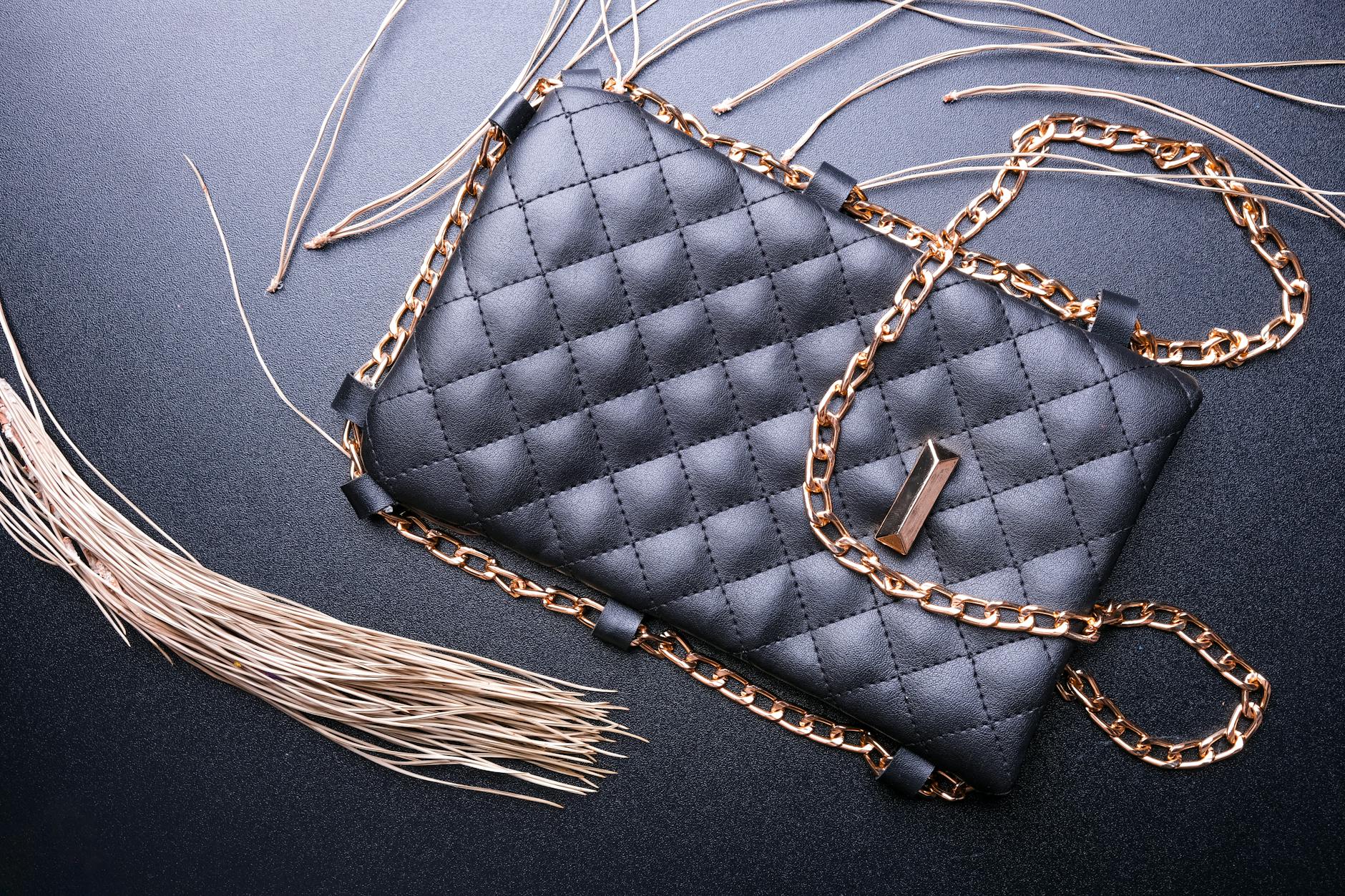
The Aspirational Tier Cracks First
Luxury has always operated on a two-speed economy. At the very top – the ultra-high-net-worth segment – demand barely registers macroeconomic noise. A buyer spending six figures on a watch or a fur coat is not reconsidering that purchase because interest rates ticked up or grocery bills climbed. The volatility lives in the middle, among shoppers who feel wealthy enough to occasionally buy luxury but are still sensitive to financial pressure. When that group tightens, it does so fast.
That tightening is now visible in the numbers brands are reporting and the behavior retailers are adjusting to. Department stores that built entire floor strategies around accessible luxury – think $400 sneakers, $600 handbags, $250 sunglasses – are reporting softer sell-through rates. Some are quietly increasing markdowns earlier in the season than their luxury vendor agreements would normally allow. Others are reducing open-to-buy budgets for the following quarter, a signal that buyers see continued softness ahead rather than a brief pause.
The dynamic connects directly to what has been happening at the other end of the retail spectrum. Fast fashion retailers have been closing locations as consumer behavior shifts, and some of that shift points to a broader spending fatigue across all apparel and accessories categories. Shoppers are not necessarily trading up or trading down – many are simply buying less, full stop. For luxury brands that relied on volume growth at the entry tier, fewer transactions mean weaker quarterly results regardless of average selling price.
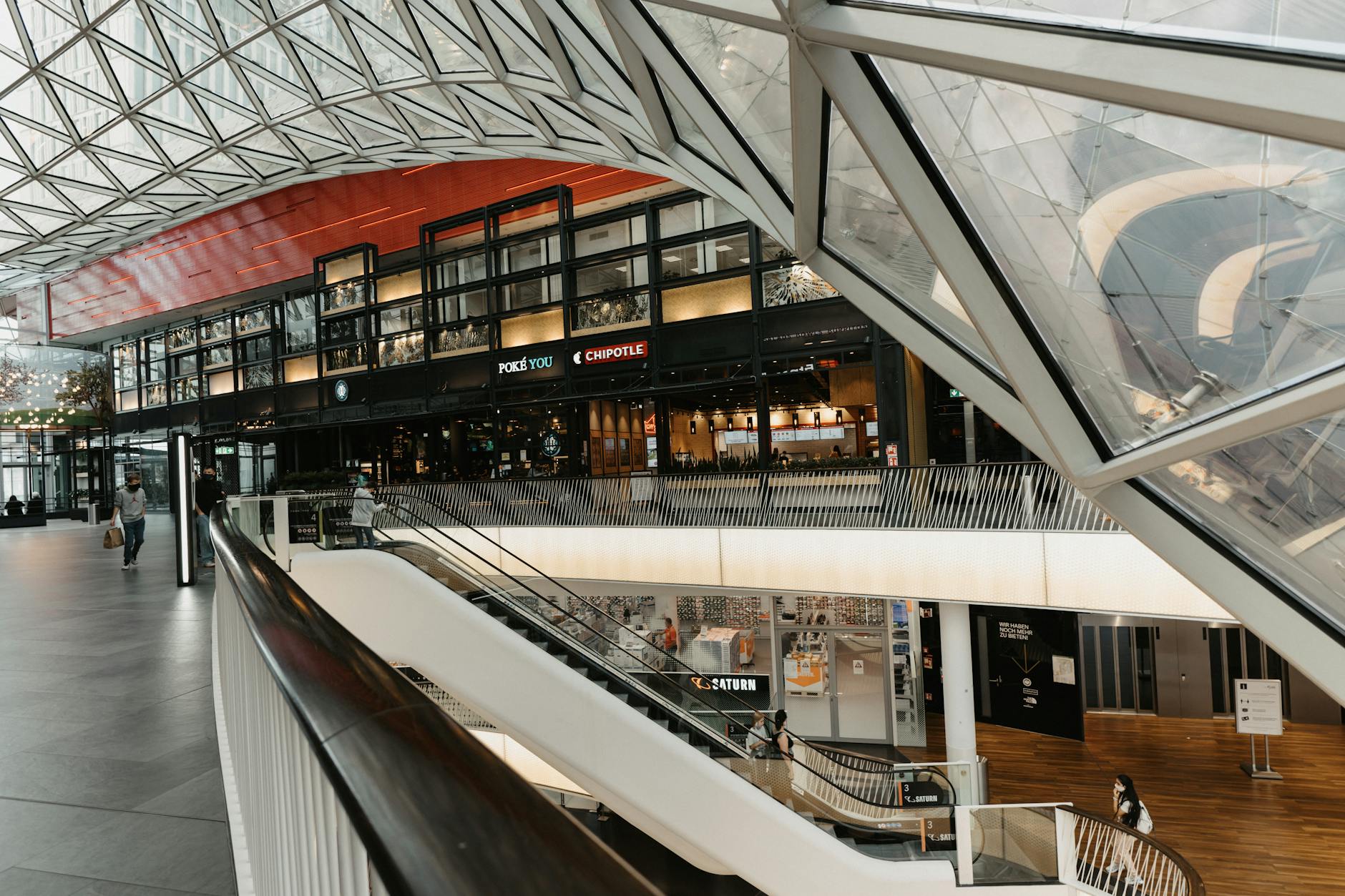
What the Pullback Looks Like on the Ground
The evidence is in behavior, not just sentiment surveys. Airport luxury retail – historically a strong channel because travelers feel freed from their normal spending rules – has seen foot traffic patterns change, with browsing converting to purchase at lower rates than in previous years. Outlet locations for luxury-adjacent brands, the ones that occupy that ambiguous space between true luxury and premium, are running deeper discounts to move inventory. And the resale market, which boomed when aspirational buyers wanted luxury at a discount, is seeing its own softening as supply outpaces demand even at marked-down prices.
Brands are responding in ways that reveal how worried they actually are. Some are quietly discontinuing entry-level SKUs – the $300 wallet, the logo canvas card holder – framing it internally as “portfolio curation” but functionally removing products that are selling poorly and dragging on margin. Others are pulling back on the aggressive digital advertising that targeted aspirational buyers through social media, reducing spend on the channels that drove their DTC growth. A few are revisiting the celebrity and influencer partnerships that made luxury feel accessible to a broader audience, deciding that association with mass reach may now dilute rather than build brand equity.
None of this means luxury is in crisis at the top. The houses with genuine heritage, meaningful scarcity, and ultra-wealthy core customers are reporting results that look almost detached from the same macroeconomic forces hitting the aspirational tier. A brand whose waitlist genuinely exceeds supply does not need to worry about aspirational shoppers pulling back. The concern belongs to everyone else – the brands that grew by making luxury feel almost affordable, and now have to figure out what their identity is when that strategy stops working.

A Correction, Not a Collapse – But Still Painful
The structural question facing mid-luxury brands right now is whether they doubled down too hard on volume growth at the expense of exclusivity. Expanding into lower price points, opening more stores, chasing social media virality – all of it worked brilliantly when aspirational consumers had pandemic savings, rising home equity, and a strong appetite for self-reward. Strip those conditions away and the same strategy becomes a liability. Inventory that was exciting at $350 becomes difficult at $320 and an embarrassment at $280. The brand math breaks down when discounting is the only tool left to move product that shoppers no longer feel urgency to own at full price.
Whether the pullback stabilizes or deepens depends largely on whether the middle-income consumer’s financial situation improves in the next two to three quarters. Wage growth has helped some households offset inflation, but the cumulative weight of elevated prices across housing, food, and services has left many aspirational shoppers with structurally less discretionary income than they had in 2021. Buying a luxury item requires not just the money but also the psychological comfort of feeling financially stable – and that comfort is harder to find right now for a specific demographic that luxury brands spent years cultivating.
The brands in the most uncomfortable position are those that spent heavily on brand-building for the aspirational segment without fully securing the ultra-wealthy core. They expanded the tent without reinforcing the poles, and now the weather has changed.