




The Quiet Budget Crisis at America’s Safety-Net Clinics
When states trim Medicaid dental benefits, the cuts rarely generate headlines. There are no dramatic press conferences, no viral moments – just a slow administrative adjustment buried in budget reconciliation documents that most people never read. But inside community health centers across the country, those adjustments land like a freight train. Reimbursement rates drop, patient volumes shift, and financial officers start running numbers they don’t like.
Community health centers – federally qualified health centers, or FQHCs – serve as the primary care backbone for roughly 30 million low-income Americans. Dental care is one of their most demanded services, and Medicaid is one of their most critical revenue sources. When states roll back dental benefits under Medicaid, the financial hit to these centers is direct, immediate, and largely invisible to the public.
What “Rolling Back” Actually Means
Medicaid dental coverage for adults has always been optional under federal law – states decide whether to offer it, and if so, at what scope. During flush budget years, many states expanded adult dental benefits to include preventive cleanings, fillings, and extractions. During lean years, those same benefits get narrowed or eliminated entirely. The pattern is consistent: dental is the first benefit added when budgets grow and the first cut when they tighten.
What gets cut varies. Some states eliminate adult dental coverage entirely. Others restrict it to emergency extractions only, removing all coverage for fillings, crowns, or preventive care. Still others reduce the annual dollar cap on covered services, effectively cutting off patients mid-treatment. For community health centers, each version of the cut has its own financial consequence, but all of them share one feature – the revenue they were counting on disappears faster than they can restructure their operations around it.

How the Budget Strain Moves Through the Organization
FQHCs receive a cost-based reimbursement rate from Medicaid called the Prospective Payment System rate, or PPS rate. This rate is calculated to cover the full cost of providing care, not just the procedure itself. When Medicaid dental benefits shrink, the number of reimbursable visits falls, and those PPS payments stop coming. The center’s fixed costs – staff salaries, equipment leases, facility overhead – don’t fall with them.
Dental departments inside health centers rarely operate as standalone profit centers. They are cross-subsidized by primary care revenue, federal grant funding through Section 330 of the Public Health Service Act, and other service lines. When dental revenue drops sharply, that cross-subsidy arrangement gets tested. Centers have to decide whether to pull funding from primary care to keep the dental department running, reduce dental staffing, cut hours, or simply reduce the number of dental chairs they staff on any given day.
Staffing cuts are often the most visible internal consequence. Dental hygienists and assistants are typically the first positions reduced, followed by chair time reductions for dentists who may move to part-time contracts. Patients who had established care relationships – particularly those managing chronic oral health conditions linked to diabetes or heart disease – find their appointments rescheduled further out, or not at all. The clinical continuity that made the center valuable to its community starts to erode.
Grant funding does not fill this gap cleanly. Federal Section 330 grants are awarded for broad operational purposes, and health centers have flexibility in how they allocate those dollars – but grant funding is not elastic. A center cannot simply request more federal grant money because a state cut Medicaid dental benefits. The two funding streams operate on separate tracks with separate timelines, and the bureaucratic lag between a state benefit cut and any potential grant adjustment can span years.
The Patient Side of the Equation
For patients, the rollback translates into a choice that most people in higher income brackets never face: pay out of pocket for dental care that previously cost nothing, delay treatment until a problem becomes an emergency, or go without. The third option is more common than the first two, and it carries real downstream costs. Untreated dental infections can become life-threatening. Untreated periodontal disease complicates diabetes management. The medical costs of ignoring oral health routinely exceed what preventive dental care would have cost.
Community health centers see this play out in their emergency and primary care departments. Patients who can no longer access covered dental care show up with abscesses, severe infections, and pain-related complaints that end up billed to Medicaid’s medical benefit – often at a higher cost than the dental visit that could have prevented the crisis. The savings a state captures by cutting adult dental benefits frequently reappear, with interest, somewhere else in the Medicaid budget.
The Federal Picture and What’s Driving State Cuts Now
State Medicaid budgets have been under sustained pressure for a range of reasons: enrollment growth, pharmaceutical costs, behavioral health service mandates, and the end of enhanced federal matching funds that were temporarily boosted during the pandemic period. As enhanced federal support winds down and states absorb the cost of redetermination-related enrollment shifts, discretionary benefits like adult dental care become attractive targets for cuts.
The federal government has no direct mechanism to protect optional Medicaid benefits once a state decides to eliminate them. The Centers for Medicare and Medicaid Services can encourage states to maintain coverage and can flag equity concerns, but it cannot compel a state to fund adult dental benefits. Legislative fixes – like proposals to make adult dental a mandatory Medicaid benefit – have circulated in Congress without advancing to a vote. That political stall leaves community health centers managing the consequences of a policy gap that has existed for decades.
For health centers already stretched thin across other service demands – housing instability and related social determinants keep driving higher patient complexity – absorbing another revenue reduction without reducing services is a math problem without a clean solution. Some centers are exploring sliding fee scale restructuring to capture more self-pay revenue from patients who previously used Medicaid dental benefits. Others are applying for state-level supplemental grants that vary in availability and reliability by geography. A few are quietly reducing dental hours while publicly maintaining that services remain available – a gap between messaging and operational reality that patients eventually discover on their own.
Where the Pressure Lands Hardest
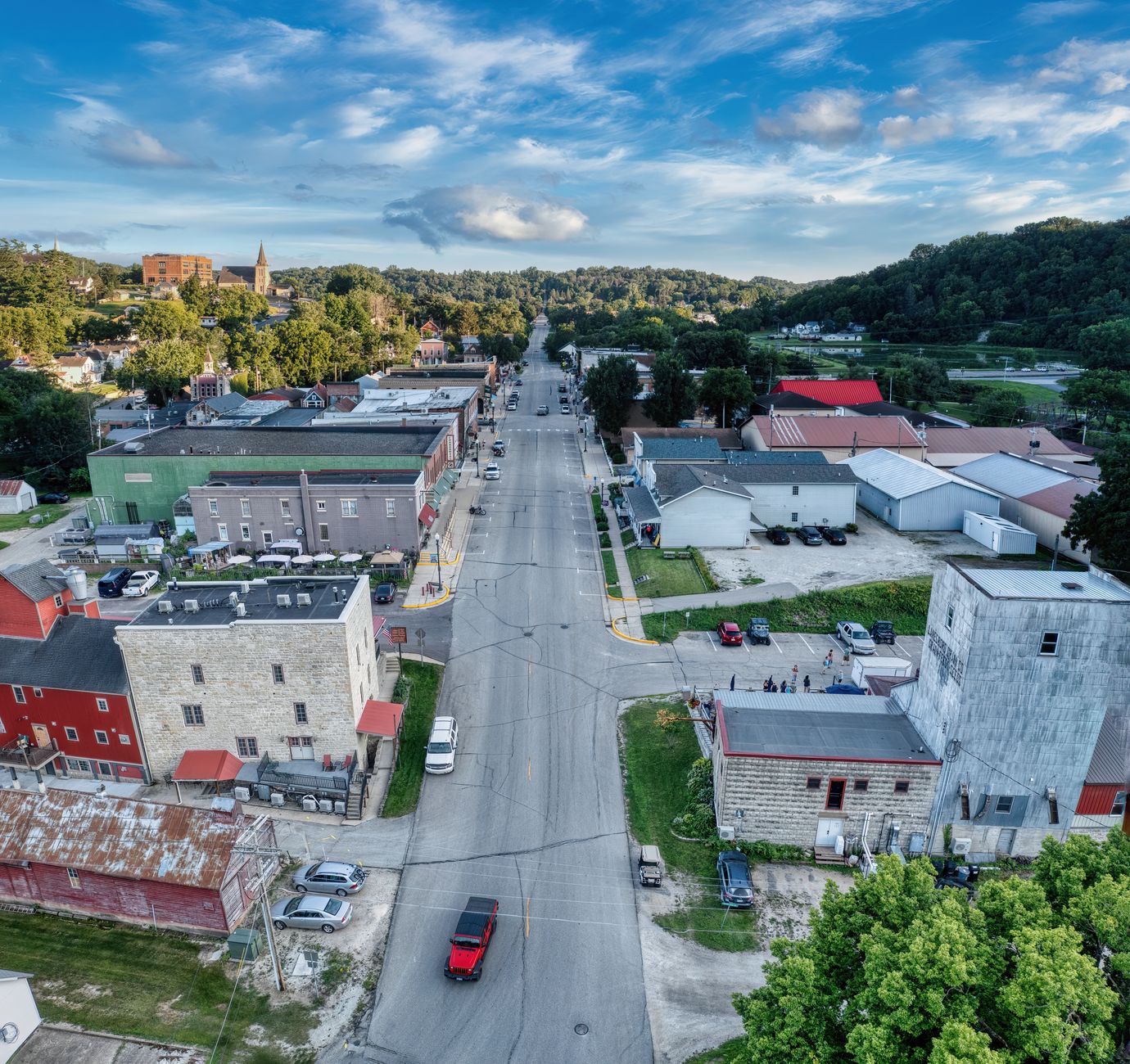
Rural health centers face a distinct version of this problem. In many rural counties, the federally qualified health center is the only dental provider that accepts Medicaid at all. Private practice dentists in those areas either don’t take Medicaid or have waitlists measured in months. When the FQHC cuts dental hours or capacity, patients in those communities have no alternative – not a different clinic, not a private dentist with a discount, not a dental school. The access point simply closes, and there is nothing behind it.
Urban centers face a different strain: they often have more patients competing for reduced capacity, which creates triage decisions that feel nothing like clinical priorities. Front desk staff and scheduling coordinators end up making decisions about who gets the available appointments – decisions driven more by scheduling logistics than by oral health need. Patients with the fewest resources and the least ability to navigate a complicated system tend to fall out of the queue first.
The financial stress at individual health centers is now being tracked at the network level. Health center-controlled networks and state primary care associations are watching balance sheets across their member organizations with increasing concern. Several networks have begun flagging dental department sustainability as a short-term risk rather than a long-term planning issue – a categorization that signals how quickly the situation has shifted from manageable to urgent. Whether that urgency reaches state legislatures before the next round of budget cuts is an open question that dental departments at community health centers are watching with very little patience left.