





The Quiet Erosion of Adult Dental Benefits
Millions of low-income adults enrolled in Medicaid are losing access to dental care not through sudden policy reversals, but through a slow withdrawal of optional benefits that states are quietly cutting to close budget shortfalls.
Optional Benefits, Non-Optional Consequences
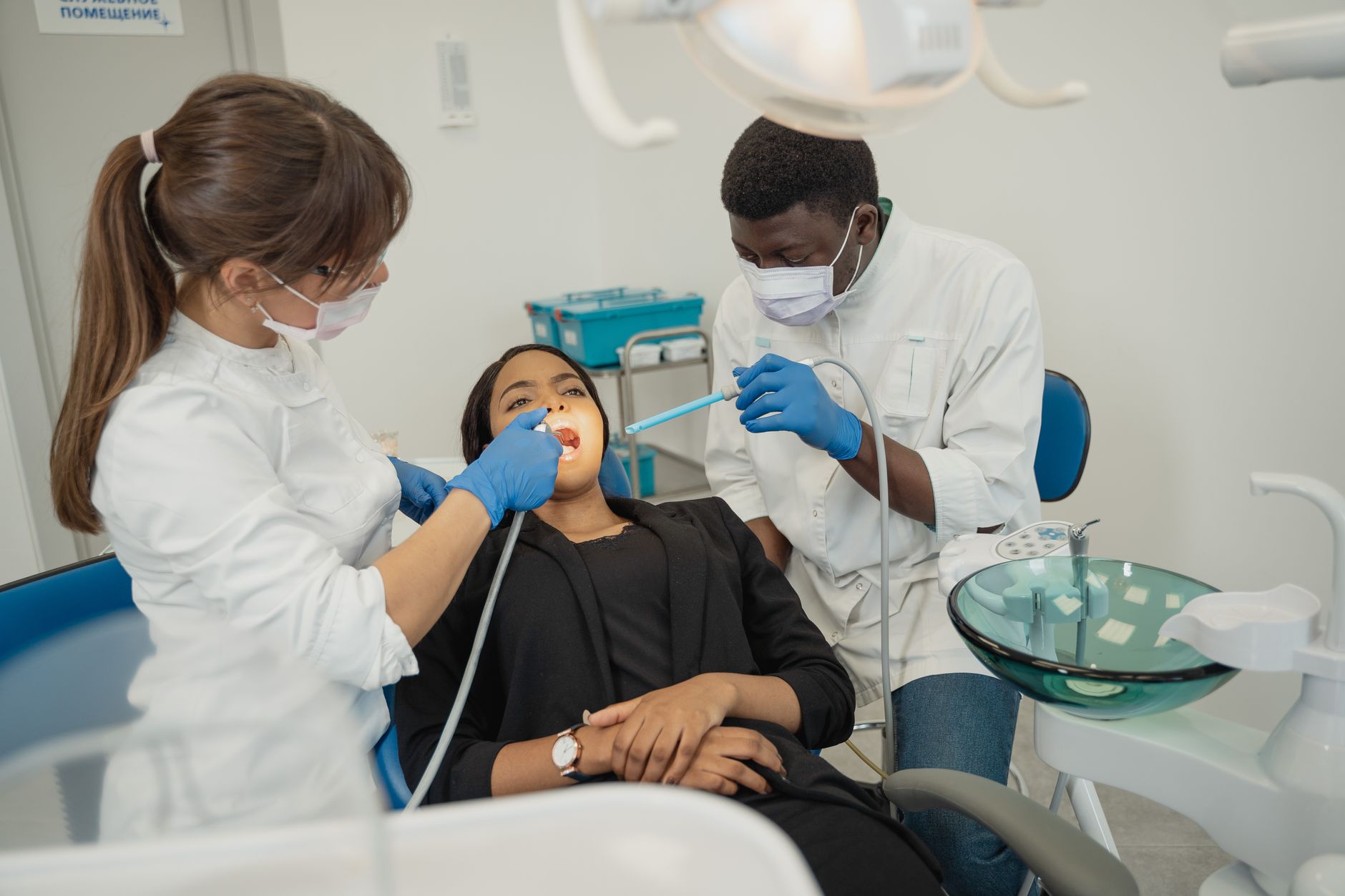
Federal law requires Medicaid to cover dental care for children, but adult dental coverage is classified as optional. That distinction carries enormous weight in practice. States facing fiscal pressure can cut adult dental benefits without violating any federal mandate, and a growing number are choosing to do exactly that. The result is a patchwork system where whether you can afford a root canal or dentures depends almost entirely on which state issued your Medicaid card.
When adult dental benefits disappear from state Medicaid plans, the financial hit lands hardest on people with nowhere else to turn. Private dental insurance typically costs hundreds of dollars annually in premiums before any services are covered. Community health centers and dental schools absorb some of that demand, but their capacity is finite and their wait lists are long. Many low-income adults simply forgo treatment, and deferred dental care rarely stays cheap – untreated infections can escalate into emergency room visits that cost the healthcare system far more than a filling ever would.
The current wave of benefit reductions is tied directly to state budget cycles. Federal pandemic-era funding rules that had kept Medicaid enrollment artificially high throughout the public health emergency have now fully unwound, and states are processing a backlog of eligibility redeterminations. In that environment, optional line items become easy targets. Adult dental benefits, vision care, and non-emergency transportation are all on the chopping block in multiple state legislatures simultaneously, even as Medicaid rolls in some states remain elevated.
The politics of these cuts follow a familiar pattern. Legislators frame reductions as necessary fiscal discipline rather than benefit eliminations, and because adult dental care was never a guaranteed entitlement under federal law, there is no legal mechanism for enrollees to challenge the removal. Advocacy groups can lobby, but the structural vulnerability of optional benefits means that states retain full authority to strip them at any budget cycle.

What States Are Actually Cutting – and Why It Costs More Later
The scope of what states consider “adult dental coverage” varies so widely that comparisons across state lines are almost meaningless without context. Some states offer comprehensive coverage including crowns, dentures, and periodontal treatment. Others limit benefits to emergency extractions only – essentially paying to pull teeth rather than save them. A number of states that previously offered mid-tier coverage are now migrating toward the emergency-only model, which sounds like a cost-saving measure but routinely generates higher downstream expenses.
Emergency dental visits – whether at a dentist’s office or a hospital emergency room – are significantly more expensive than preventive or restorative care. A patient who cannot access a filling eventually needs an extraction. A patient who cannot access an extraction may end up in the ER with a spreading infection requiring intravenous antibiotics and, in severe cases, surgery. Medicaid pays for those emergency room visits. The cost savings from cutting dental benefits are frequently an accounting illusion – they appear on one budget line while the actual costs migrate to another.
There is also a documented connection between oral health and systemic health conditions that Medicaid does cover. Periodontal disease has well-established associations with cardiovascular disease, diabetes management, and adverse pregnancy outcomes. Cutting dental care for a diabetic Medicaid enrollee does not eliminate the cost of their oral health – it defers it and adds complications. State budget offices that evaluate dental cuts in isolation are almost certainly underestimating the full fiscal impact.
For working-age adults without employer-sponsored insurance, the Medicaid dental gap creates a specific financial trap. They earn too much to qualify for comprehensive Medicaid in states that haven’t expanded coverage fully, and too little to afford private dental insurance or out-of-pocket care. This cohort – often employed in service industries, gig work, or part-time positions – ends up with no viable dental care pathway at all. The physical consequences compound over years: missing teeth affect employment prospects, chronic pain affects productivity, and untreated conditions worsen. This is also a population already navigating pressure from fresh Medicaid work requirements that threaten enrollment eligibility itself.
Some states have experimented with limited dental benefit carve-outs through managed care organizations, attempting to contain costs while preserving at least minimal coverage. The results are mixed. Managed care dental networks in Medicaid tend to have provider shortages – dentists are not required to accept Medicaid rates, which are typically well below commercial insurance reimbursements, and many private practices decline to participate. A nominal dental benefit that no local dentist honors is functionally identical to no benefit at all.
The Federal Calculus and What Could Change
At the federal level, there have been periodic legislative proposals to mandate adult dental coverage as a condition of Medicaid participation, which would force states to fund the benefit rather than treat it as a discretionary line item. None of those proposals have reached the floor for a serious vote. The political cost of imposing new mandates on states is high, and the dental industry’s lobbying infrastructure, while active on some issues, has not translated into durable federal coverage requirements for Medicaid populations.
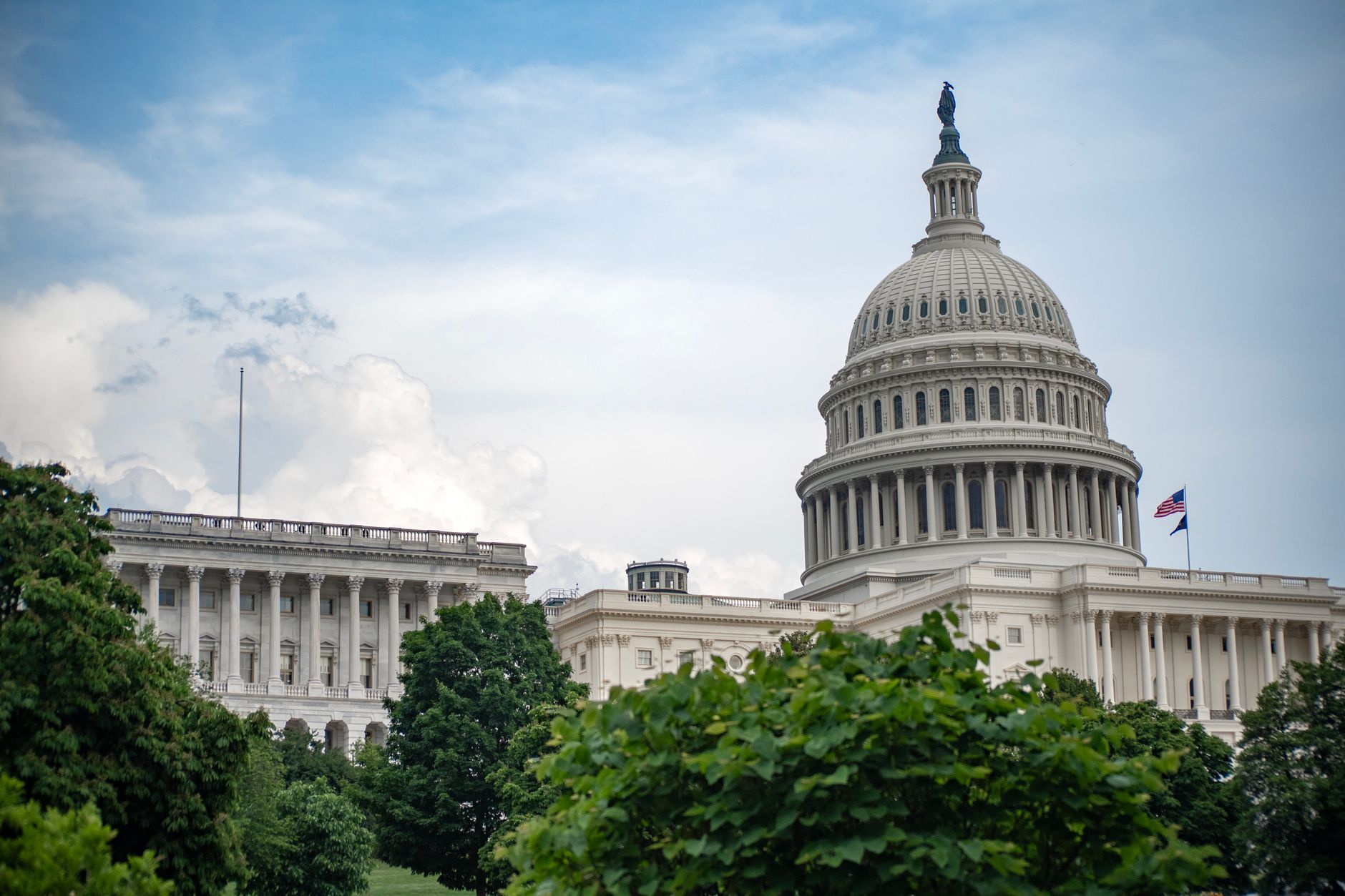
What remains is a system where coverage quality is determined by geography, budget cycles, and the political priorities of individual state administrations rather than by health need. A Medicaid enrollee in one state may have access to dentures, implant consultations, and preventive cleanings. An enrollee with identical income and identical health needs in a neighboring state may qualify only for an extraction when the pain becomes unbearable. Whether federal policy ever closes that gap may ultimately depend on whether dental care gets categorized as the medical necessity it actually is – or continues to be treated as a premium add-on that states can afford to sacrifice first.