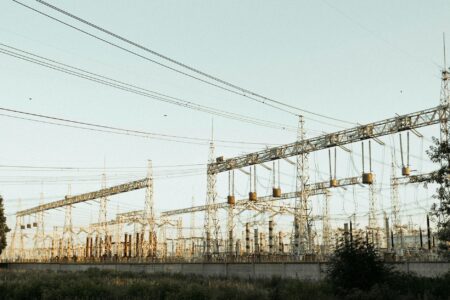





Water main breaks flooded Detroit streets while bridges crumbled in Pittsburgh and streetlights went dark across Birmingham. These scenes reflect a growing crisis hitting American cities: aging infrastructure requiring massive investment just as municipal budgets face unprecedented strain. The result is a concerning uptick in municipal bond defaults that’s reshaping how investors view local government debt.
Municipal bond markets, long considered among the safest investment havens, are experiencing turbulence not seen since the 2008 financial crisis. Recent data shows default rates climbing as cities grapple with infrastructure needs that far exceed available funding. The American Society of Civil Engineers estimates the nation needs over $2.5 trillion in infrastructure investment over the next decade, yet many municipalities struggle to fund even basic maintenance.

The Perfect Storm of Fiscal Pressures
Cities across America face a convergence of financial pressures that’s testing municipal bonds like never before. Post-pandemic budget recovery remains incomplete for many localities, while federal infrastructure funding often comes with matching requirements that strain already tight budgets.
Detroit’s recent struggles illustrate this challenge. The city emerged from bankruptcy in 2014 but continues wrestling with infrastructure demands that dwarf available resources. Water system upgrades alone require hundreds of millions in investment, while roads, bridges, and public buildings compete for limited funding. Similar stories play out in Rust Belt cities like Flint, Michigan, and Youngstown, Ohio, where population decline reduced tax bases just as infrastructure aged beyond sustainable maintenance levels.
The situation extends beyond traditionally struggling regions. Growing Sun Belt cities face different but equally daunting challenges. Phoenix and Las Vegas must expand water infrastructure to support rapid population growth, while hurricane-prone areas like New Orleans and Miami need resilient systems capable of withstanding increasingly severe weather events.
Interest rate environments compound these challenges. As rates rose through 2022 and 2023, borrowing costs increased significantly for municipalities. Cities that might have refinanced existing debt at favorable terms now face higher costs for new projects. This timing coincides with federal pandemic relief funding expiring, creating a fiscal cliff for many localities.
Warning Signs in Municipal Markets
Bond market indicators reveal growing stress in municipal finances. Credit rating agencies have increased negative outlooks for local governments, with Moody’s placing several dozen cities under review in the past year alone. Default rates, while still relatively low in absolute terms, show troubling increases compared to historical norms.
The types of bonds defaulting paint a telling picture. Revenue bonds tied to specific infrastructure projects show particular vulnerability. Toll road authorities, water utilities, and public power companies struggle when projected usage fails to meet debt service requirements. Economic disruption from remote work patterns, for example, has reduced toll revenues on some highways as commuting patterns shifted permanently.
Hospital bonds represent another pressure point. Many public hospital systems face financial strain from increased charity care demands, staffing shortages driving up costs, and reimbursement challenges. Several municipal hospital authorities have defaulted or restructured debt in the past two years, reflecting broader healthcare sector challenges.
Even general obligation bonds, traditionally the strongest municipal credit, face pressure in some markets. Cities with narrow economic bases prove particularly vulnerable. When a major employer leaves or reduces operations, the ripple effects through local tax collections can quickly impact debt service capacity.
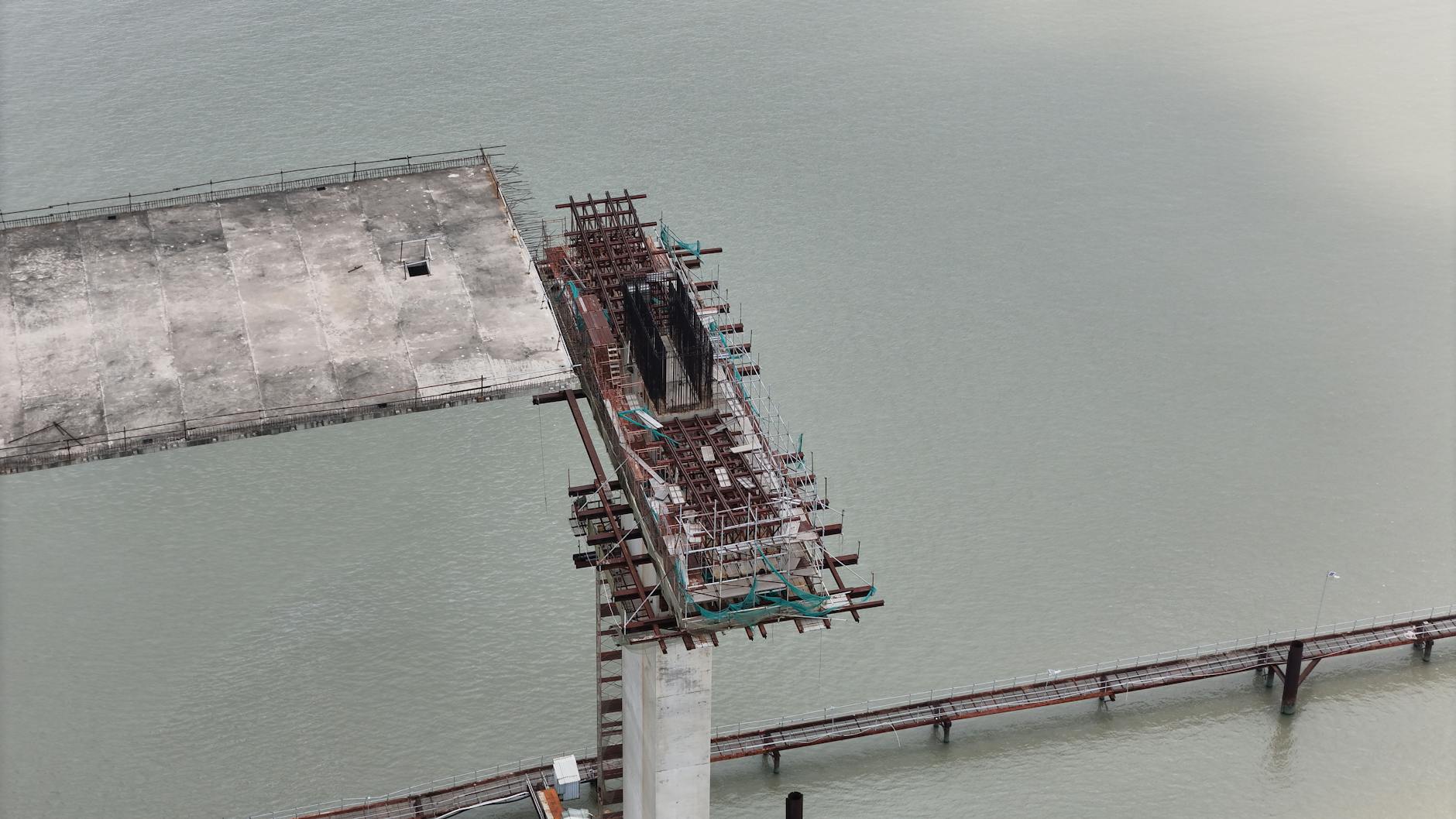
Infrastructure Crisis Deepens Financial Strain
The infrastructure funding gap creates a vicious cycle for municipal finances. Deferred maintenance leads to emergency repairs costing multiples of preventive care. A water main that could be replaced proactively for thousands of dollars might cause hundreds of thousands in damage when it fails catastrophically.
Transportation infrastructure exemplifies this dynamic. The Federal Highway Administration reports that over 40% of bridges need repair or replacement, yet many localities lack funding for systematic maintenance programs. Emergency repairs disrupt traffic, damage local economies, and cost far more than planned replacement would have required.
Water systems face particularly acute challenges. Many American cities rely on pipes installed decades ago, some dating to the early 1900s. The Environmental Protection Agency estimates water infrastructure needs exceed $400 billion nationwide. Lead service line replacement alone requires massive investment, while climate change demands more resilient systems capable of handling extreme weather.
Energy infrastructure adds another layer of complexity. Many municipal utilities operate aging power plants or distribution systems requiring substantial modernization. The transition to renewable energy, while necessary for long-term sustainability, requires upfront capital many cities struggle to access. This creates tension between immediate fiscal constraints and long-term strategic needs.
The cybersecurity landscape further complicates infrastructure investment. Recent attacks on municipal systems highlight vulnerabilities in everything from water treatment to traffic management. While cybersecurity infrastructure investments become increasingly critical, they represent additional costs competing with traditional infrastructure needs.
Market Response and Investment Implications
Municipal bond investors are recalibrating risk assessments in response to these pressures. Institutional buyers increasingly scrutinize local economic diversity, management quality, and infrastructure condition when evaluating credits. The days of assuming all municipal bonds carry minimal risk are fading as market participants recognize growing differentiation between strong and weak credits.
Insurance companies and mutual funds that traditionally provided stable demand for municipal bonds show more selectivity. Premium rates for bond insurance have increased, reflecting insurers’ recognition of elevated risks. Some lower-rated issuers find themselves priced out of insurance markets entirely, forcing them to issue bonds without credit enhancement.
Secondary market trading patterns reveal this shift. High-quality bonds from financially stable municipalities continue finding ready buyers, while questionable credits face wider spreads and limited liquidity. This bifurcation mirrors broader credit market trends but represents a significant change for municipal bond markets historically characterized by relatively narrow spread differentials.
Private sector involvement in infrastructure projects increases as cities seek alternative financing mechanisms. Public-private partnerships offer ways to transfer project risks while accessing private capital, but they also reduce direct municipal control over critical systems. The long-term implications of this shift remain unclear, particularly regarding public accountability and cost control.

The municipal bond market’s evolution reflects deeper questions about American infrastructure investment and local government finance. Federal infrastructure legislation provides some relief, but the scale of need far exceeds available federal resources. State and local governments must ultimately bear primary responsibility for maintaining and upgrading the systems that underpin economic activity.
Looking ahead, municipal bond markets will likely see continued differentiation between strong and weak credits. Cities with diverse economic bases, professional management, and proactive infrastructure planning will maintain access to capital markets at reasonable costs. Those lacking these characteristics may face increasingly difficult funding conditions, potentially forcing difficult choices about service levels and infrastructure maintenance.
The infrastructure funding crisis represents both challenge and opportunity. Municipalities that successfully navigate current pressures by implementing sustainable financing strategies and maintaining infrastructure systems will emerge stronger. Those that defer difficult decisions may face escalating costs and reduced options over time. For investors, this environment demands more careful credit analysis while potentially offering enhanced returns for those willing to accept appropriate risks. The coming years will test American cities’ capacity to balance fiscal responsibility with infrastructure needs in an increasingly complex economic environment.
Frequently Asked Questions
Why are municipal bond defaults increasing?
Cities face aging infrastructure requiring massive investment while dealing with tight budgets and higher borrowing costs, creating fiscal strain that leads to more defaults.
Which types of municipal bonds are most at risk?
Revenue bonds tied to specific projects show particular vulnerability, along with hospital bonds and bonds from cities with narrow economic bases.