





The Grid Can’t Keep Up
Natural gas demand is climbing at a pace the energy sector hasn’t seen in years, and the driving force isn’t a cold winter or a manufacturing boom – it’s server racks. AI data centers, which run 24 hours a day and require massive, uninterrupted power supplies, are straining electrical grids across the United States and pushing utilities to burn more gas just to keep the lights on. The relationship between artificial intelligence and fossil fuel consumption is no longer theoretical. It’s showing up in pipeline flows, utility earnings calls, and power purchase agreements.
What makes this moment different from previous demand cycles is the source of pressure. Industrial demand has long driven natural gas consumption in spurts tied to manufacturing output or seasonal heating. This new wave is structural. Data centers don’t idle. They don’t slow down on weekends. The load they place on the grid is constant and growing, which means the backup generation – primarily natural gas – has to be equally constant and equally ready.

Why Data Centers Run on Gas
It seems contradictory that companies building AI systems marketed as tools for efficiency would be responsible for driving up fossil fuel use. But the physics of power generation explains the gap. Renewable energy – solar, wind – is intermittent. Data centers cannot accept intermittent power. A momentary dip in voltage can corrupt processes, crash systems, and cost millions. So while tech companies sign high-profile solar deals and publish sustainability pledges, the actual moment-to-moment power keeping their servers alive often comes from gas-fired plants, which can ramp up and down quickly enough to match real-time demand.
Grid operators call this “dispatchable” power, meaning generation that can be turned on or off on command. Natural gas is the dominant dispatchable source in most U.S. markets. Coal is being retired faster than new nuclear plants can be approved and built. Hydroelectric capacity is constrained by geography. That leaves gas as the primary tool grid managers use to balance supply and demand – and right now, demand is outpacing every projection made before the AI buildout accelerated.
The scale of new data center construction is difficult to overstate. Technology companies are spending hundreds of billions of dollars on AI infrastructure, and each new facility adds gigawatts of load to regional grids. Northern Virginia – already home to the largest concentration of data centers in the world – is facing such severe grid congestion that utility companies have warned new customers about multi-year delays in getting power connections. Similar pressures are surfacing in Texas, Georgia, and parts of the Midwest where land is cheap and permits move faster.
What This Means for Gas Prices
Natural gas prices are notoriously volatile, driven by weather, storage levels, and export volumes. But the sustained demand floor created by AI infrastructure is starting to change how traders and producers think about long-term price floors. When a demand source is both large and inelastic – meaning it won’t stop consuming even when prices rise – it creates a structural support level beneath spot prices. Gas producers are increasingly willing to sign long-term supply contracts with utilities serving data center clusters because the demand is reliable in a way that residential heating demand simply isn’t.
Pipeline infrastructure is also becoming a constraint. Several regions with heavy data center growth are discovering that transmission capacity – the ability to move gas from production basins to power plants – hasn’t kept pace with the new load. Building pipelines takes years and faces significant regulatory friction. Some utilities are responding by keeping older gas plants running longer than planned, rather than retiring them as originally scheduled.
The Emissions Equation Nobody Wants to Solve
The tension between AI’s environmental marketing and its actual energy footprint is becoming harder to paper over. Many of the largest technology companies have made public commitments to reach net-zero carbon emissions by 2030 or 2040. Those commitments are now colliding with the reality that building and running AI at scale requires pulling more power from gas-fired generation than any renewable portfolio can currently offset in real time.
Carbon offsets and renewable energy certificates – the financial instruments companies use to claim clean power – don’t change the physical reality of what’s happening on the grid at 2 a.m. when a model is training on a billion-parameter dataset. The electrons flowing through those servers come from whatever the grid is generating in that moment. And more often than not, that means gas. The gap between accounting-based sustainability claims and physical grid reality is one of the more uncomfortable stories in the energy sector right now.
Some utilities have proposed building dedicated gas plants – sometimes called “behind the meter” generation – directly adjacent to data centers, cutting the grid out of the equation entirely. This approach gives tech companies more control over reliability but also means they’re directly owning or contracting gas-burning infrastructure, which complicates any public-facing climate commitments. A few deals of this kind have already been reported, with more reportedly in negotiation across the Sun Belt and Mid-Atlantic regions.
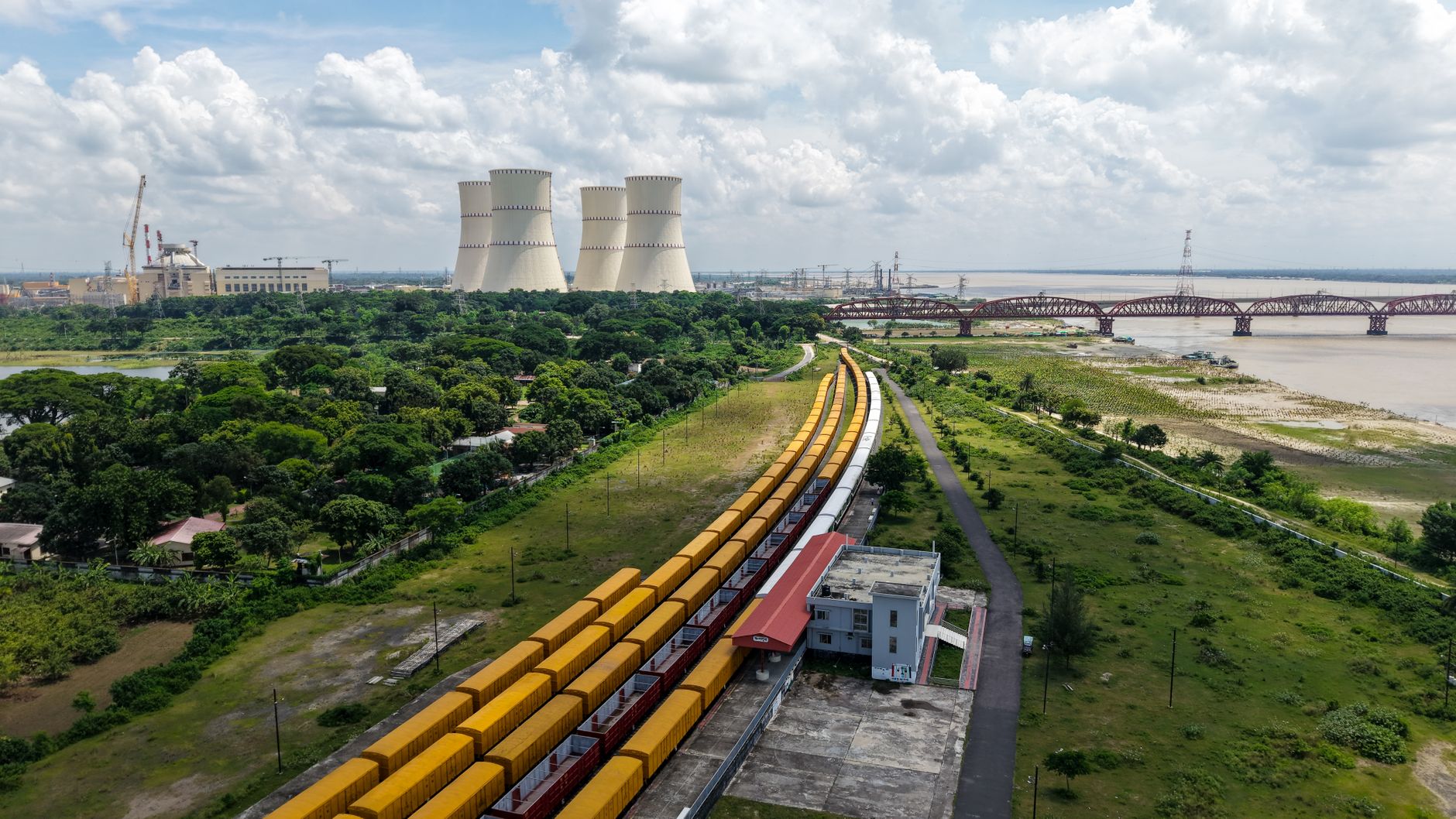
The longer-term question is whether next-generation nuclear – specifically small modular reactors, which several tech companies have been publicly exploring – can eventually fill the gap that gas currently occupies. But the nearest SMR projects aren’t expected to reach commercial operation until the early 2030s at the earliest, and AI infrastructure is being built right now. The power has to come from somewhere, and for the foreseeable future, a significant portion of it is coming from the same molecule that heats homes and runs factories: methane, burned fast, burned clean, burned constantly. The irony is that the more capable AI becomes – the more problems it’s asked to solve – the more gas it consumes getting there.