





When Trains Stop Carrying, the Economy Is Telling You Something
Rail freight volume is one of the oldest and most reliable proxies for industrial health in the American economy. When boxcars sit empty and intermodal containers pile up at yards, the signal is usually the same: factories are ordering less, retailers are pulling back, and the supply chain is absorbing the consequences of softening demand. That signal is flashing now.

The Slowdown in the Numbers and What Is Driving It
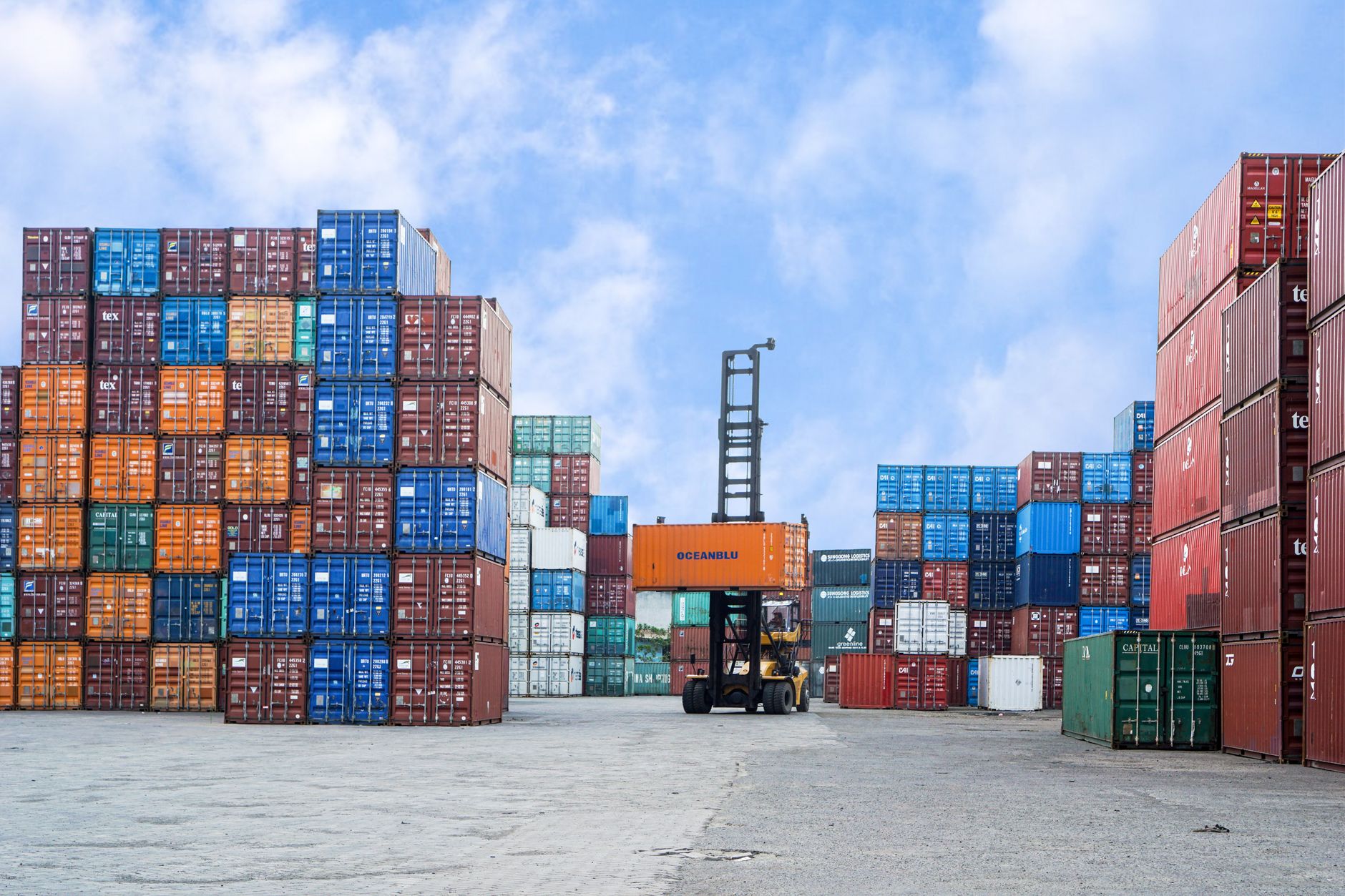
Carload traffic – the movement of bulk commodities like coal, grain, chemicals, and metals – has been running below prior-year levels across multiple reporting weeks. Intermodal volume, which tracks the movement of shipping containers by rail and is closely tied to consumer goods imports, has also underperformed. The combination of both categories declining simultaneously is what separates a routine soft patch from something worth watching more carefully.
The core driver is a pullback in manufacturing activity. Industrial output across sectors including steel, automotive components, and construction materials has been running at reduced rates as businesses work down existing inventory rather than placing fresh orders. When a factory is drawing down its stockpile instead of restocking it, there is simply less material to ship. Rail yards reflect that arithmetic in real time, long before official economic reports are compiled and released.
Retailers contributed to the problem by front-loading imports earlier in the year, driven by uncertainty around tariffs and trade policy. That surge in advance purchasing created an artificial volume spike that has since unwound, leaving warehouses stocked and purchase orders quiet. The result is a freight market that absorbed a concentrated wave of goods months ago and is now waiting for normal replenishment cycles to resume – which requires consumer demand to stay healthy enough to clear existing inventory.
Energy freight has added another layer of pressure. Coal shipments, which once anchored a significant portion of bulk rail revenue, continue their long structural decline as utilities shift toward natural gas and renewables. That loss is not cyclical – it does not come back when industrial demand improves. Rail operators have spent years trying to replace that tonnage with other commodities, but the substitution has never been complete, leaving rail networks structurally thinner in their freight base than they were two decades ago.
What Rail Freight Reveals That Other Indicators Miss
The particular value of rail data is its frequency and specificity. The Association of American Railroads releases weekly carload and intermodal statistics, making it one of the few genuinely high-frequency datasets available to anyone tracking the physical economy. Gross domestic product numbers come out quarterly with multiple revisions. Manufacturing surveys are monthly and self-reported. Rail counts actual cars moving actual goods across actual routes, which makes it difficult to smooth over or seasonally adjust away a genuine volume problem.
Weakness in chemical car loadings, for instance, is a specific tell. Chemicals move by rail in large volumes as inputs to plastics, fertilizers, coatings, and cleaning products. A sustained drop in chemical shipments suggests that downstream manufacturers are cutting back on inputs – which means finished goods production is also likely slowing, even before that shows up in factory output reports. Rail freight works as a leading indicator precisely because the ordering and shipping decisions happen before the goods are actually produced and sold.
Lumber and wood products traffic tells a parallel story about construction. When homebuilders and contractors are active, lumber moves in volume. When project starts slow – due to elevated borrowing costs, financing challenges, or buyer hesitation – the lumber cars slow with them. Current readings in that category are consistent with a housing construction sector that has not recovered the momentum lost when mortgage rates climbed steeply and stayed elevated.
Grain and agricultural shipments are somewhat insulated from industrial cycles, tied more to harvest yields and export demand than to domestic manufacturing. But even here, export competitiveness matters, and a strong dollar has made American agricultural goods more expensive for foreign buyers, suppressing some of the demand that would otherwise support rail volume in that category. The result is a freight landscape where almost every major commodity group is contributing some degree of drag, rather than a single sector pulling the average down while others compensate.
Rail operators themselves have responded by managing capacity aggressively – parking locomotives, reducing crew starts, and cutting train lengths where possible. That operational discipline protects margins in the short term but also limits the network’s immediate ability to absorb a demand rebound quickly if conditions improve. A rail network running lean on staffing and equipment takes time to scale back up, which means any recovery in freight volume will be gradual even if the underlying demand trigger arrives suddenly.
The Broader Industrial Picture This Points Toward
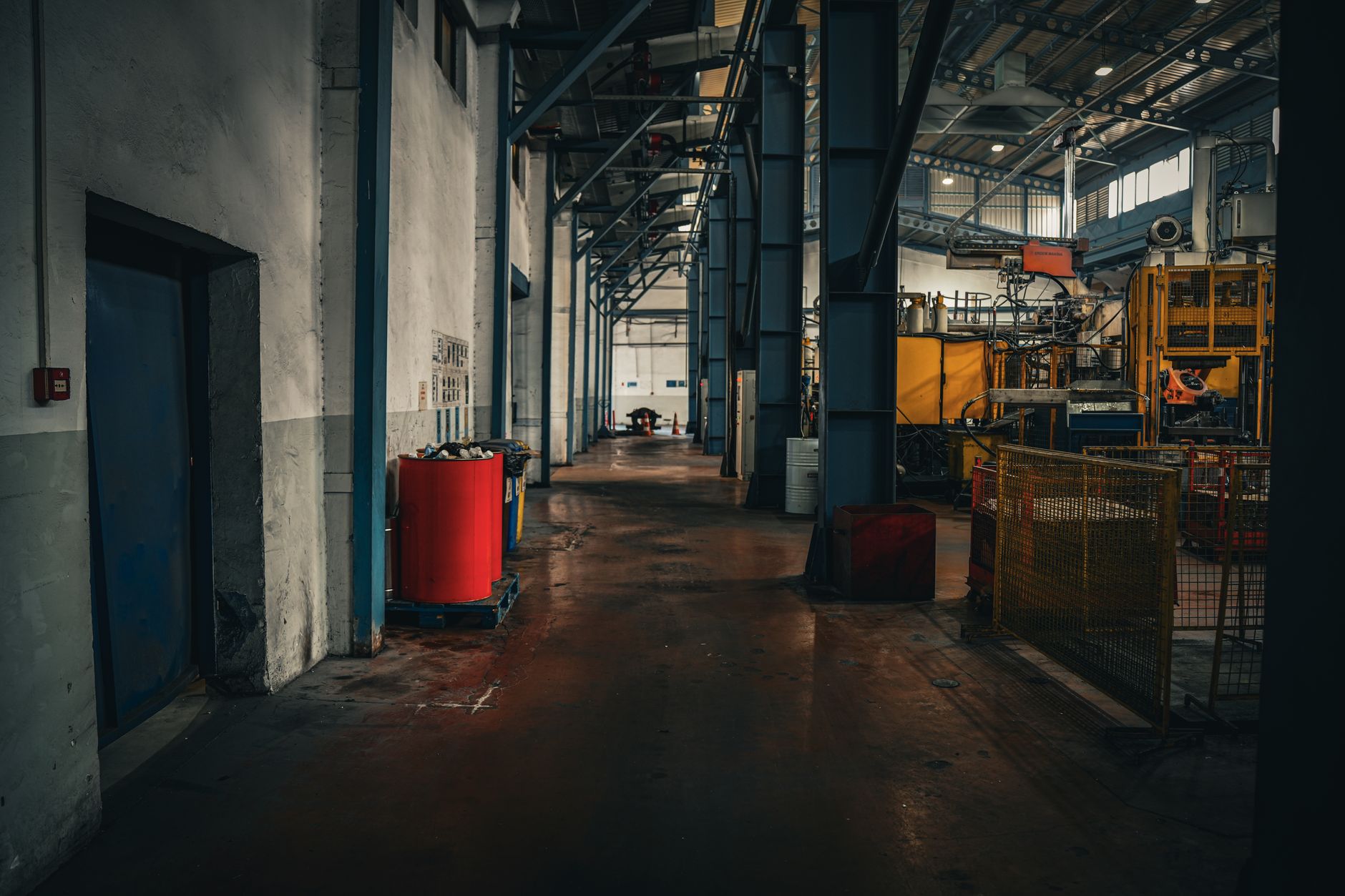
Rail freight does not exist in isolation. It sits alongside trucking volumes, port container counts, and manufacturing purchasing manager surveys as part of a composite picture of the physical economy. When multiple freight modes are telling the same story at the same time, the case for dismissing any one of them as noise weakens considerably. Trucking data has shown its own softness in recent months, with spot rates depressed and carrier capacity outpacing available loads – a market condition sometimes called a freight recession, which carries its own set of implications for the industrial suppliers and distributors who depend on cost-effective shipping to maintain their margins. The convergence of weak demand signals across transport modes points to an industrial sector that is not in crisis but is clearly not growing either.
For businesses that rely on rail – heavy manufacturers, chemical producers, agricultural exporters, bulk commodity traders – the operational math shifts when volume falls. Fixed costs in rail infrastructure are high: track maintenance, locomotive upkeep, and labor contracts do not scale down proportionally with freight decline. That means margin pressure accelerates faster than the revenue decline alone would suggest, and investment decisions get deferred. A manufacturer considering whether to expand production capacity looks at freight accessibility as part of that calculation. When rail service is running below full utilization and carriers are managing costs rather than growing capacity, the infrastructure signal itself can discourage the kind of capital spending that would eventually bring freight volume back.
Frequently Asked Questions
Why is rail freight considered a reliable economic indicator?
Rail freight counts actual goods moving in real time, making it harder to revise or smooth over, unlike quarterly GDP or monthly surveys that rely on self-reporting.
What does a drop in chemical car loadings signal about the economy?
Chemical shipments serve as inputs for dozens of industries, so declining chemical carloads suggest manufacturers are cutting back on production inputs, which typically precedes broader output slowdowns.