





When the Cost of a Decision Becomes Unknowable
Small business owners make capital spending decisions on thin margins and thinner timelines. A restaurant owner deciding whether to buy a new commercial oven, a contractor weighing a fleet upgrade, a manufacturer considering a second production line – these are not abstract boardroom exercises. They require locking in costs today against revenues that may arrive months or years from now. When tariff policy shifts without warning, that calculation breaks down entirely.
The current tariff environment has introduced a specific kind of paralysis that is easy to miss in aggregate economic data. It is not a recession signal. Orders are not collapsing, and consumer demand has not cratered. What is happening instead is quieter: small business owners are postponing purchases, deferring upgrades, and holding cash in a defensive crouch while they wait for trade policy to stabilize. Capital spending is freezing at the edges, one deferred invoice at a time.
The freeze is not irrational. It is the correct response to genuine uncertainty.

Why Tariff Uncertainty Hits Small Businesses Harder Than Large Ones
Large corporations have tools that small businesses simply do not. They carry treasury departments capable of hedging currency and commodity exposure. They negotiate long-term supply contracts with price-protection clauses. They can absorb a cost spike across a diversified product portfolio, or pass it downstream through pricing power that smaller competitors cannot match. When tariff policy shifts, a Fortune 500 manufacturer recalculates and adjusts. A small fabrication shop in Ohio stares at a quote that may be worthless by the time the customer signs.
The problem is not just the tariff itself – it is the unpredictability of the tariff. A business can plan around a known cost. It cannot plan around a cost that might be 10%, might be 25%, or might be suspended entirely depending on what gets announced on a Tuesday morning. Equipment purchases that require imported components become nearly impossible to price accurately. That uncertainty does not just affect the purchase decision; it infects every downstream contract the business tries to sign. A small HVAC installer cannot commit to a fixed-price job if the cost of the copper components needed to complete it may shift before the work begins.
Small businesses also carry less financial cushion to absorb a wrong bet. A mid-size enterprise can survive a capital investment that costs 20% more than projected. For a small business operating on tight cash flow, that same miscalculation can threaten loan covenants, strain payroll, or simply eliminate the margin that made the investment worthwhile in the first place. The rational response is to wait – and waiting, compounded across thousands of businesses, adds up to a measurable drag on private investment activity.
The Spending Categories Feeling the Chill
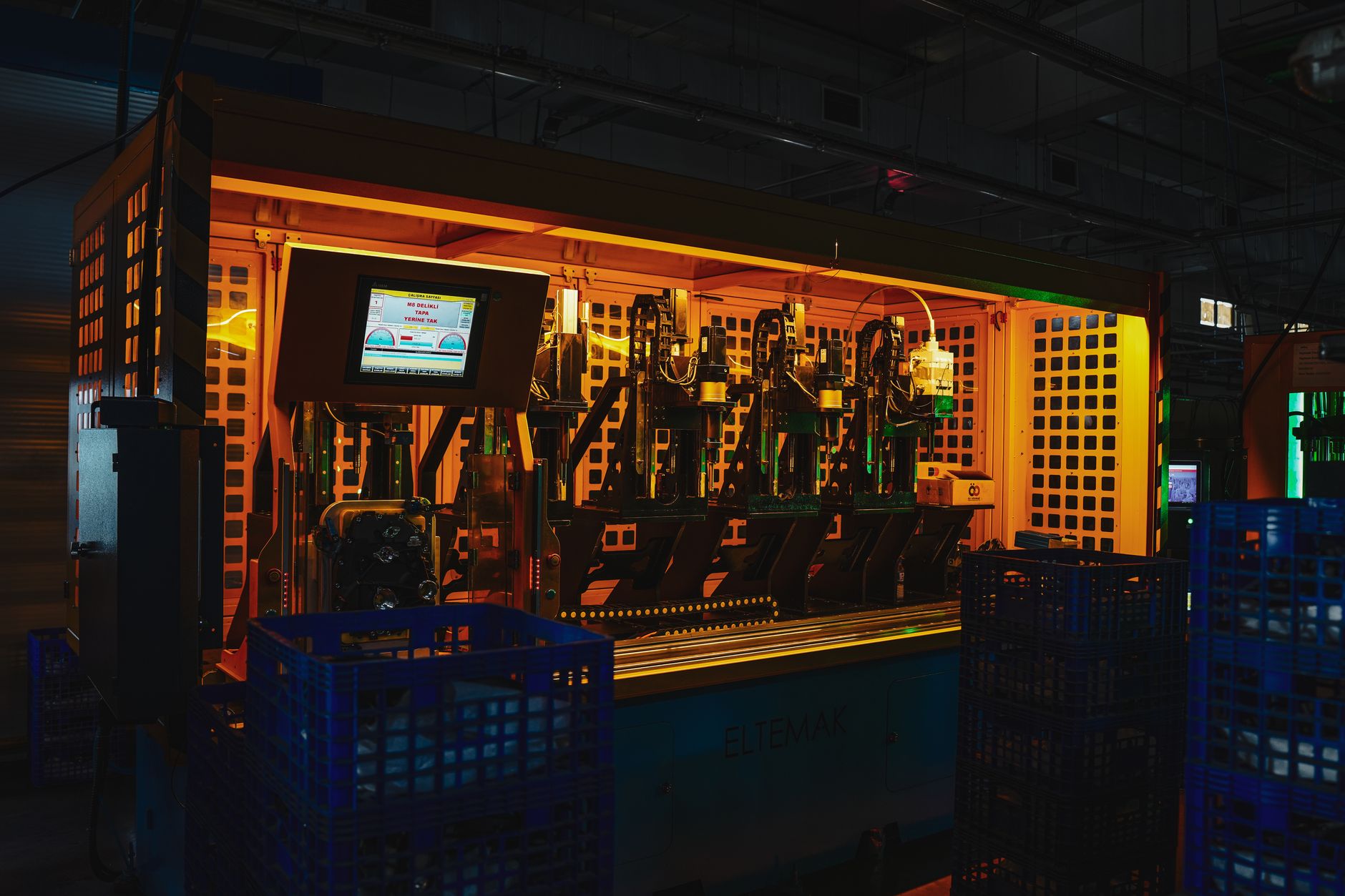
Manufacturing equipment is the most visible pressure point. Much of it is either imported directly or assembled with components that cross multiple borders before reaching a U.S. factory floor. A small manufacturer shopping for CNC machinery or precision tooling is, in many cases, shopping in a market where the landed price can shift materially between quote and delivery. Some suppliers have responded by inserting tariff-adjustment clauses into contracts, which essentially transfers the policy risk onto the buyer. For small businesses, that kind of clause is a red flag, not a workaround.
Construction and renovation spending is similarly stalled. Steel, aluminum, and lumber all carry exposure to trade policy in different ways, and small contractors and property owners who would otherwise be scheduling upgrades are extending timelines instead. Technology purchases – servers, production software, point-of-sale systems, specialized hardware – face their own version of the problem, given how deeply global electronics supply chains run. Even a business buying domestically branded equipment may not know how much of the production cost originates overseas, or how tariff changes are being absorbed and passed through by the domestic seller.
The businesses most affected tend to be those in the middle of a growth cycle. A company that has survived the early years, built a customer base, and is now ready to scale is exactly the type of operator who would normally be making capital investments. These are not distressed businesses. They are ready-to-spend businesses that have simply gone quiet, parking capital in savings accounts while they wait for a policy environment that feels predictable enough to act on. That behavior, multiplied across the small business sector, represents a significant pool of investment that is sitting on the sideline rather than flowing into equipment orders, construction permits, and technology contracts. Combined with rising employer health plan costs that are already compressing operating margins, the financial pressure on growing small businesses is compounding from multiple directions at once.

The Longer This Lasts, the More Structural the Damage Becomes
Deferred capital spending is not simply spending that gets rescheduled for later. Extended delays create their own consequences. Equipment that should have been replaced continues to operate past its productive lifespan, introducing maintenance costs and efficiency losses. Growth that should have happened in 2025 does not simply compress into 2026 – it creates a competitive gap relative to businesses that found a way to move forward. Workers who would have been hired to operate new equipment or staff expanded capacity do not get hired. For every quarter that small business capital spending stays frozen, the gap between where these businesses are and where they planned to be widens a little further – and the prospect of catching up gets harder to sustain on a balance sheet that has been burning cash on higher input costs the whole time.