





Strip Malls Are Bleeding Tenants – and Landlords Are Running Out of Options
Retail lease defaults have been climbing steadily through 2024 and into 2025, with strip mall landlords absorbing the pain of a tenant base that increasingly cannot afford to stay open. The combination of elevated rents locked in during tighter market conditions, stubborn consumer spending shifts, and higher operating costs has pushed a growing number of small and mid-size retailers into default territory – quietly, without the fanfare of a major bankruptcy filing, but with real consequences spreading across suburban commercial corridors.
What makes this cycle particularly difficult to manage is the nature of strip mall tenants themselves. Unlike anchor-driven enclosed malls, strip centers depend heavily on local service businesses – nail salons, tax prep offices, insurance agents, fast-casual restaurants – that operate on thin margins and have almost no financial cushion when foot traffic slows or a lease escalation clause kicks in at the wrong moment. When one tenant goes dark, the visual signal to neighboring tenants and customers is immediate and difficult to reverse.
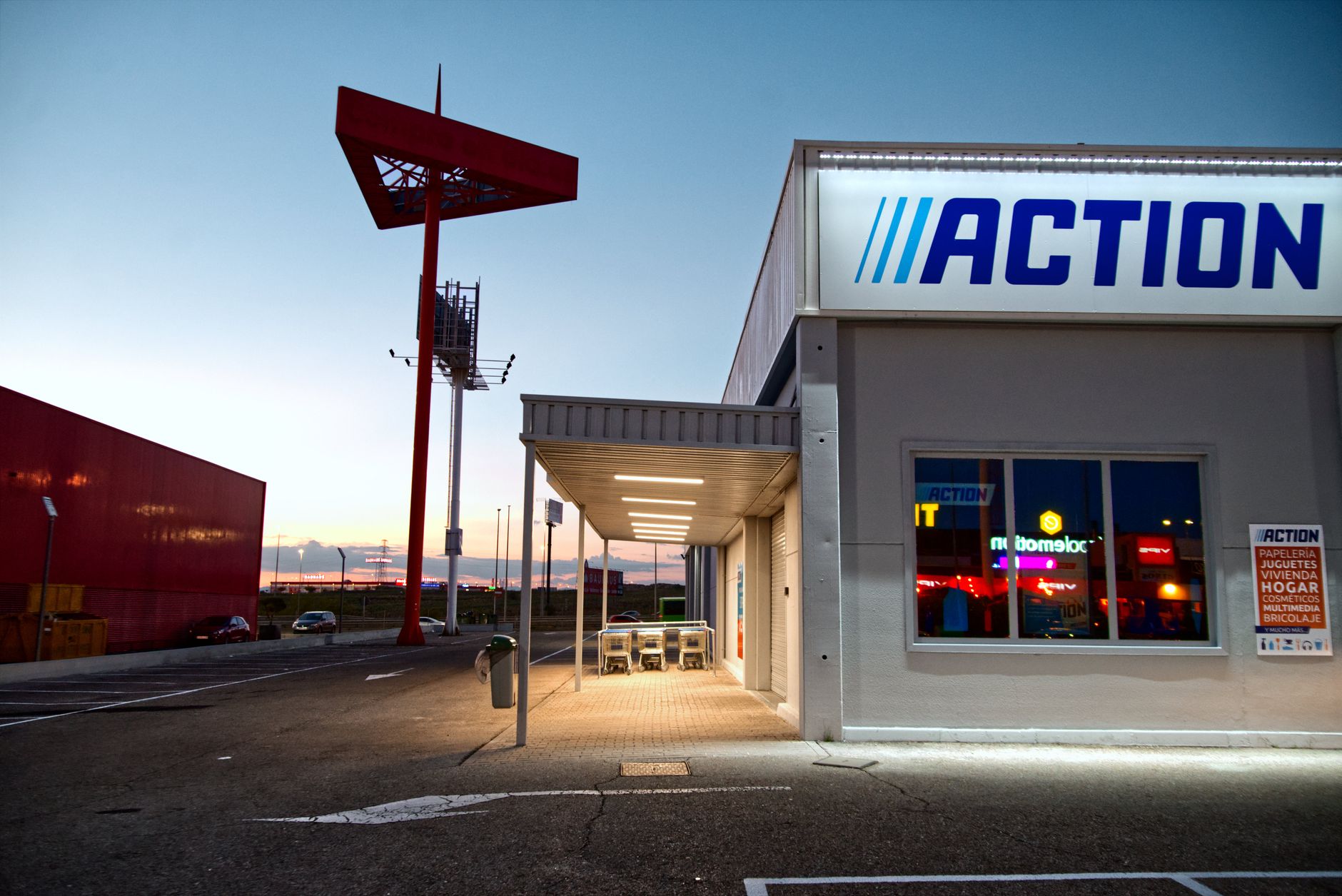
The Default Mechanics Behind Empty Storefronts
Retail lease defaults do not always end in dramatic evictions. In many cases, landlords and tenants enter informal forbearance arrangements – deferred rent, reduced payments, extended timelines – that delay the official default designation while the underlying problem festers. This means vacancy data tends to undercount the true scale of distress, because a storefront still occupied by a tenant who has stopped paying full rent looks identical to one with a healthy lease from the outside.
The default cycle typically accelerates when a lease hits a scheduled rent increase. Many strip mall leases written between 2018 and 2022 included annual escalation clauses of 3 to 4 percent, which seemed manageable before inflation drove up the cost of goods, labor, and utilities simultaneously. When a retailer is already operating at a thin margin and suddenly faces a rent jump alongside higher supply costs, the math stops working. Some operators choose to default rather than absorb the hit, betting that the negotiation from a position of financial distress gives them more leverage than a quiet exit.
Landlords face their own constraints in responding. For properties carrying commercial mortgage debt – particularly those financed through CMBS structures – modifying lease terms or agreeing to rent reductions requires servicer approval that can take months and involves legal complexity most small landlords are not equipped to navigate quickly. That delay often means the tenant is gone before any agreement is formalized.
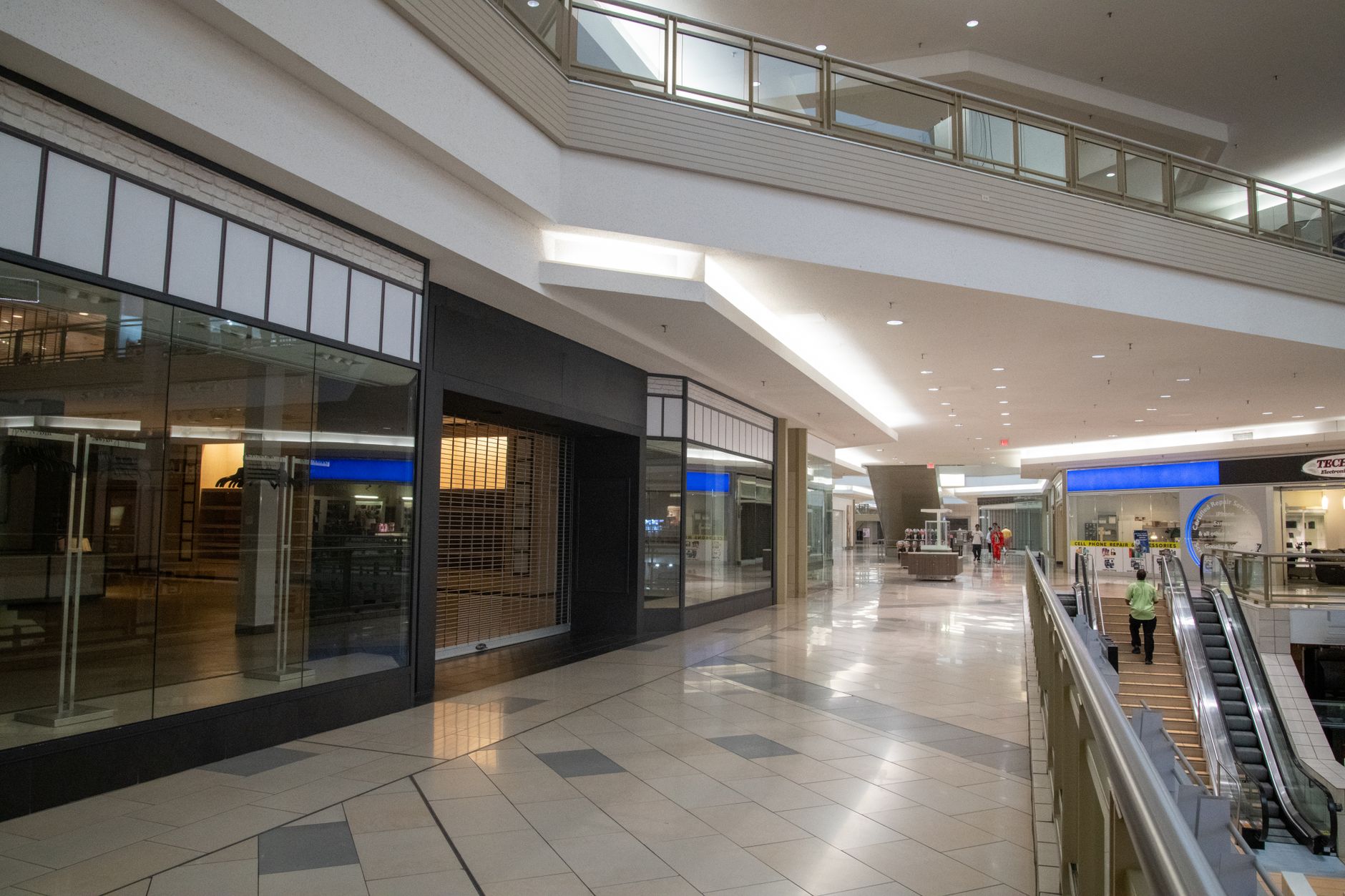
Vacancy Rates Tell Only Part of the Story
Reported strip mall vacancy rates have been edging upward, but the headline numbers obscure the geographic concentration of the problem. Secondary and tertiary markets – smaller cities, outer suburbs, rural trade areas – are seeing vacancy pressures that look dramatically worse than national averages suggest. These are markets where there is no waiting list of replacement tenants and where the cost of tenant improvement allowances cannot be justified by the rents on offer.
In stronger markets, landlords have been able to backfill departed retailers with healthcare tenants – urgent care clinics, physical therapy practices, dental chains – that value ground-floor visibility and ample parking. That conversion strategy has absorbed some of the slack in better-positioned strip centers, but it is not universally available. Healthcare tenants are selective, and they tend to cluster in higher-income suburban corridors where their patient base lives, leaving lower-income retail strips without a viable replacement tenant category.
What Happens When a Corridor Goes Dark
The economic effect of a strip mall entering a sustained high-vacancy period extends well beyond the landlord’s rental income. Sales tax revenue from those storefronts disappears from local government budgets. Adjacent property values soften. Service workers lose hours or jobs. The businesses that remain open see their own foot traffic decline as the center loses its draw – a compounding effect that can tip a struggling property into a genuinely distressed asset over 12 to 18 months.
For local governments, the response options are limited. Some municipalities have begun exploring vacancy-related fee structures or zoning incentives to encourage adaptive reuse, though implementation has been slow and politically complicated. The tension between wanting to preserve commercial tax base and not wanting to penalize landlords already facing debt service pressure is real, and most local governments have landed on a wait-and-see posture that pleases no one.
The landlords most exposed to cascading defaults are typically smaller private owners who bought strip centers in the 2017 to 2021 window at compressed cap rates, financed with floating-rate debt that has since repriced sharply higher. Their carrying costs went up while their tenant base got weaker – a squeeze with no clean exit. Selling into a thin market means accepting a price well below acquisition cost, and recapitalizing the asset requires new equity that most private buyers are not willing to deploy without deep discounts.
The retailers walking away from leases are not exclusively struggling operators. Some are fundamentally sound businesses making rational decisions – concluding that a specific location no longer performs well enough to justify its cost, and that the financial penalty for breaking a lease is cheaper than two more years of losses. That calculation is becoming more common as retail real estate remains priced at levels that assumed a steadier consumer environment than the one that actually materialized. Landlords holding out for pre-2023 rent benchmarks in markets where those numbers no longer clear are likely to keep watching vacancy creep higher while the negotiating gap stays wide.