





When the Pharmacy Closes, the Neighborhood Loses More Than Medicine
Retail pharmacy closures have accelerated sharply over the past two years, and the neighborhoods absorbing the most damage are rarely the ones with options to fall back on. Walgreens announced plans to shutter roughly 1,200 stores by 2027. Rite Aid filed for bankruptcy in 2023 and has been shedding locations ever since. CVS closed hundreds of stores in recent years with more reductions on the way. The pattern is not random – it follows the cold logic of profitability, and low-income urban zip codes are failing that test at a disproportionate rate.
What gets lost in the coverage of pharmacy chain consolidation is how much these stores functioned as informal grocery anchors. In dense urban neighborhoods where supermarkets are scarce, a Walgreens or Rite Aid often carried shelf-stable food, fresh dairy, over-the-counter vitamins, and basic produce. They were not grocery stores, but they were close enough to matter. When they close, the gap they leave behind is not just medical – it is nutritional, logistical, and financial.

The Grocery-Pharmacy Overlap Nobody Tracked Until It Disappeared
The retail pharmacy was always a hybrid operation, even if the industry never fully acknowledged it. Beyond prescriptions, these stores stocked canned goods, bread, eggs, baby formula, frozen meals, and seasonal produce. For residents without cars in low-income urban neighborhoods, a pharmacy two blocks away was functionally different from a supermarket a mile away – the distance is not just physical but logistical, and those logistics carry real cost in time and bus fare. The pharmacy filled a gap that food access advocates and urban planners largely ignored because it was not categorized as a food retailer.
That oversight has become harder to sustain now that the stores are gone. Food desert mapping, which the USDA defines partly by distance to the nearest supermarket, does not capture the secondary role pharmacies played in daily food access. So even as closures multiply, official food desert boundaries may not update to reflect what residents are actually experiencing on the ground. The maps do not lie exactly – they just measure the wrong things.
Who Bears the Weight of Consolidation
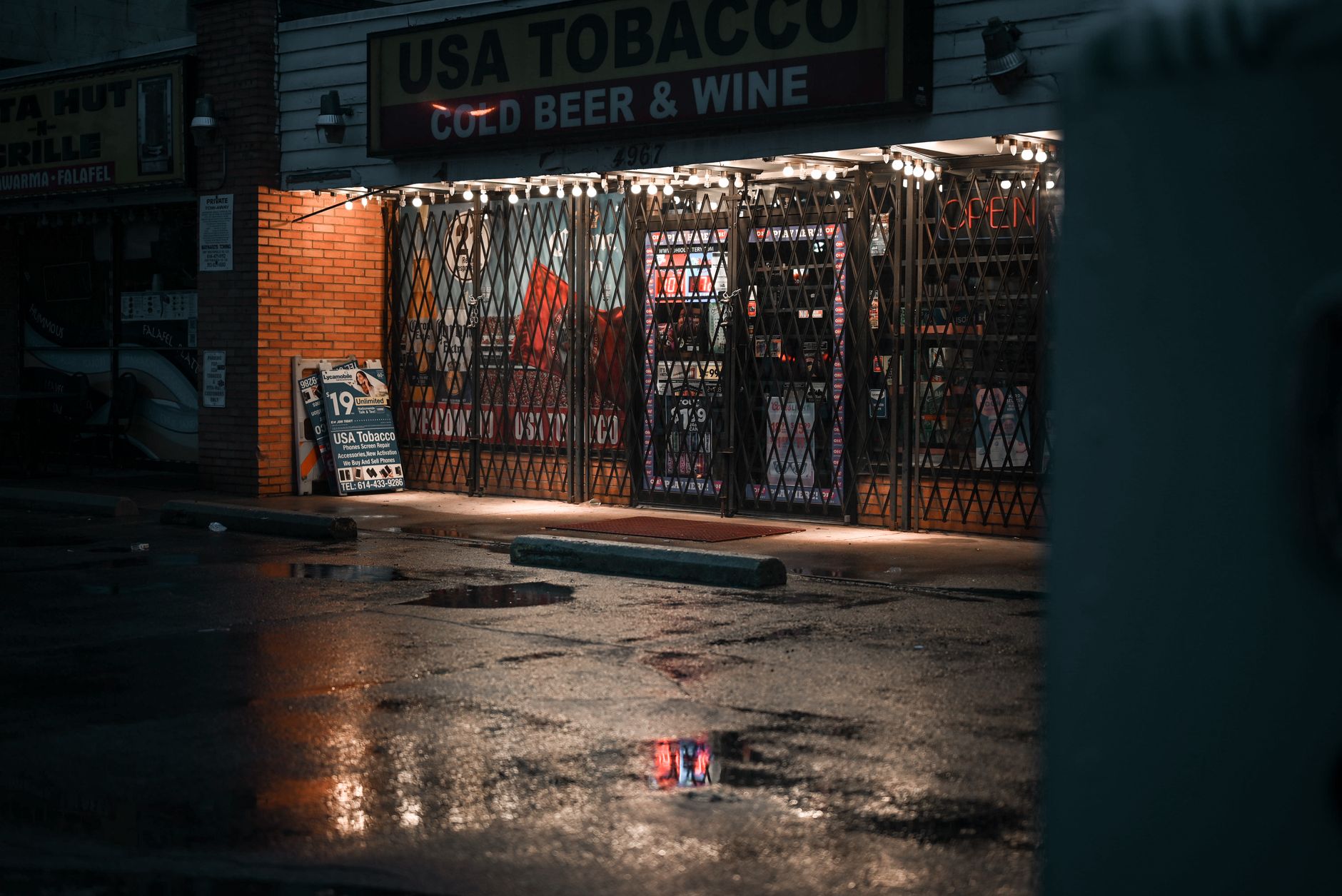
Low-income neighborhoods in cities like Chicago, Detroit, Baltimore, and Philadelphia have seen clusters of pharmacy closures hit within short distances of each other, leaving entire corridors without any retail health or food option within reasonable walking distance. This is not a suburban convenience problem. It is a supply chain failure at the neighborhood level, and it falls hardest on residents who are older, disabled, or dependent on public transit.
Pharmacy deserts and food deserts reinforce each other in ways that compound health risk. When prescription access disappears alongside basic nutrition access, the result is a concentrated gap in the conditions that maintain basic health. Managing a chronic condition like diabetes or hypertension requires both medication and diet – strip both anchors from a neighborhood simultaneously and the downstream costs shift to emergency rooms and Medicaid budgets rather than pharmacy shelves.
The closures also affect informal economies built around these stores. Corner pharmacies employed local workers, generated foot traffic that supported neighboring small businesses, and served as informal gathering points – especially for elderly residents. A shuttered storefront on a commercial block does not just remove a service; it degrades the economic viability of everything adjacent to it. This dynamic connects directly to the broader pattern of retail foot traffic decline reshaping urban commercial corridors nationwide.
Pharmacy chains operated these urban stores at thin margins to begin with. When reimbursement rates for prescription drugs fell – driven by pressure from pharmacy benefit managers – the math on keeping inner-city locations open deteriorated fast. The stores that closed first were not always the lowest-performing in absolute terms. They were the lowest-performing relative to what a regional or national operator needed to justify the lease and the staff.
The Replacement Problem
Dollar stores have moved into some of the vacated retail space in urban cores, and they are frequently cited as a substitute for both food access and basic goods. The reality is more complicated. Dollar stores carry heavily processed shelf-stable food, limited fresh produce, and no pharmacy services. They solve part of one problem while ignoring the other, and their pricing model is not consistently cheaper than supermarkets when measured by unit cost rather than sticker price.
Independent pharmacies have absorbed some of the prescription volume left behind by chain closures, but they face the same reimbursement pressures that pushed the chains out. A small independent operator does not have the negotiating leverage to push back against pharmacy benefit managers, which means the margin problem is structural – not something that can be solved by swapping one type of owner for another.
Policy Response Has Not Matched the Pace of Loss
Some cities have explored zoning interventions designed to attract grocery anchors to neighborhoods classified as food deserts, with mixed results. Tax incentives for grocery operators rarely account for the full cost of operating in a low-density, high-shrinkage urban environment, and the stores that do open under these programs sometimes close within a few years when the incentives expire. The gap between political announcement and durable retail presence has grown wide enough to function as its own form of policy failure.
Community health centers have expanded in some markets to pick up prescription access, and federally qualified health centers can dispense medications on-site in certain states. But these programs operate on grant funding cycles that do not guarantee permanence, and their geographic distribution does not map cleanly onto where pharmacy deserts are forming. Scaling them fast enough to match the pace of pharmacy closures has not happened.
Medicaid and Medicare patients – who represent the highest proportion of pharmacy customers in low-income urban neighborhoods – are also the customers pharmacy chains find least profitable to serve. Reimbursement rates for their prescriptions sit below the rates paid by commercially insured patients, meaning the population most dependent on neighborhood pharmacy access is also the population whose presence accelerates the economic case for closure. That contradiction sits at the center of how this crisis compounds itself, and no chain has yet proposed a model that resolves it.