



When the Only Pharmacy Closes
Rural Medicare Part D enrollees are facing a quiet but worsening access problem: the independent and chain pharmacies that once served small towns are closing at an accelerating rate, leaving behind what health policy circles now call “pharmacy deserts.” For millions of older Americans in counties with shrinking populations and declining commercial foot traffic, losing a local pharmacy is not an inconvenience – it is a direct threat to medication adherence, chronic disease management, and basic quality of life.
The structural economics behind rural pharmacy closures have been building for years. Reimbursement rates paid to pharmacies under Medicare Part D plans have failed to keep pace with the actual cost of dispensing medications, particularly low-volume, high-complexity drugs common among elderly patients. When a pharmacy’s margin on each prescription filled is razor-thin, and the customer base is too small to compensate through volume, the math eventually becomes impossible. What follows is a shuttered storefront and a community left to figure out alternatives that, in many cases, simply do not exist at any reasonable distance.

The Reimbursement Problem at the Center of It All
Medicare Part D operates through private insurance plans contracted with CMS, and those plans negotiate reimbursement rates directly with pharmacy networks. Independent rural pharmacies enter those negotiations from a position of structural weakness – they lack the volume leverage of national chains and cannot absorb the rate cuts that larger operators can offset through scale. The result is that many rural independents are reimbursed below their actual cost of dispensing, meaning they lose money on every transaction. Running that kind of operation is only possible for so long before the owner decides to close rather than continue subsidizing patient access out of personal savings.
Direct and Indirect Remuneration fees, commonly called DIR fees, have compounded this pressure significantly. These fees allow Part D plan sponsors to claw back pharmacy reimbursements after the point of sale, sometimes months later, based on performance metrics that small rural pharmacies have limited ability to influence. A pharmacy serving a rural population with high rates of poverty, chronic illness, and lower health literacy will naturally score worse on metrics tied to medication adherence and star ratings – not because the pharmacy is failing its patients, but because its patient population faces conditions that adherence metrics do not account for. CMS has moved to restructure DIR fee practices, but the financial damage accumulated over the past decade has already thinned the ranks of rural independents considerably.
National chain pharmacies have also pulled back from rural markets. Store closure decisions at large retail pharmacy corporations follow commercial logic: locations that do not meet corporate profitability thresholds get shuttered, regardless of the community’s dependence on that single site. In small towns where the chain pharmacy was the only remaining option after the local independent closed years earlier, this creates a compounding effect. The community loses its last pharmacy, and there is no market mechanism that incentivizes a replacement to open.
Mail-order pharmacy, frequently promoted by Medicare Part D plans as a cost-saving alternative, does not solve the access gap cleanly. It works reasonably well for stable maintenance medications taken on a predictable schedule. It fails for acute prescriptions, medications requiring refrigeration or special handling, patients who need counseling on drug interactions, and situations where a prescription is written and the patient needs it the same day. Elderly rural patients managing multiple chronic conditions often fall into several of these categories simultaneously, making mail-order an incomplete substitute rather than a genuine replacement for in-person pharmacy access.

Who Bears the Cost
The burden lands most heavily on Medicare beneficiaries who are already managing the financial constraints of fixed incomes. When the nearest pharmacy is 40 or 50 miles away, getting prescriptions filled requires transportation that many rural elderly residents do not have reliable access to. They may depend on family members who work and cannot take time off for repeated pharmacy trips, or on volunteer transportation services that operate on limited schedules. Some simply go without medications, or ration doses to extend a supply they cannot easily replenish. The downstream costs of that medication non-adherence – hospitalizations, emergency department visits, worsening chronic conditions – are real and expensive, even if they do not appear on any pharmacy’s balance sheet. The broader strain on rural healthcare budgets from gaps in medication access connects to the same pattern visible in Medicaid unwinding’s drain on rural county general assistance budgets, where reduced coverage compounds the fragility of local health infrastructure.
Rural hospital systems and federally qualified health centers have tried to fill some of the gap by expanding their own pharmacy services, but they operate under their own financial constraints. A rural critical access hospital running on thin margins cannot absorb the full community pharmacy function simply because the commercial pharmacies have left. And in counties without a hospital or FQHC close enough to be practical, even that imperfect option is unavailable.
Policy Responses and Their Limits
CMS has taken some steps to address rural pharmacy access within the Part D framework. Rules introduced for the 2024 plan year required Part D plans to include a minimum number of pharmacies in their networks, with specific standards for rural counties. The practical effect of those network adequacy rules depends entirely on whether qualifying pharmacies actually exist within the required distance parameters – and in the most sparsely populated counties, they increasingly do not. A rule requiring network access does not create pharmacies where the economic conditions do not support them.
Some states have pursued their own interventions, including grants and low-interest loan programs aimed at helping independent pharmacies remain viable in underserved areas. A handful of states have also explored models where pharmacies are treated more like essential infrastructure – similar to how rural electric cooperatives or water utilities are structured – with public subsidy attached to an obligation to serve. These experiments are early and small in scale, and no clear model has emerged that other states are rushing to replicate.
Congress has periodically considered legislation targeting rural pharmacy access, including proposals to establish a minimum reimbursement floor for medications dispensed in pharmacy desert areas and to limit the retroactive nature of DIR fee clawbacks on small pharmacies. Progress has been slow, partly because the Part D program involves a complex web of private plan interests, pharmacy benefit managers, and drug manufacturers, each of which has its own stake in how reimbursement flows through the system. Pharmacy benefit managers in particular have resisted changes that would constrain their ability to negotiate network terms, arguing that restrictions on their contracting flexibility would raise overall plan costs.
That argument may be technically accurate in a narrow accounting sense, while missing the larger cost that pharmacy closures impose on rural communities. A Medicare Part D plan that saves money per prescription by squeezing rural pharmacy reimbursements, then loses those patients to preventable hospitalizations, is not actually achieving system-level savings. The costs simply shift from the plan’s drug budget to other parts of the healthcare system – and ultimately to the patients and families absorbing the consequences of inadequate access.
What Rural Communities Are Left With
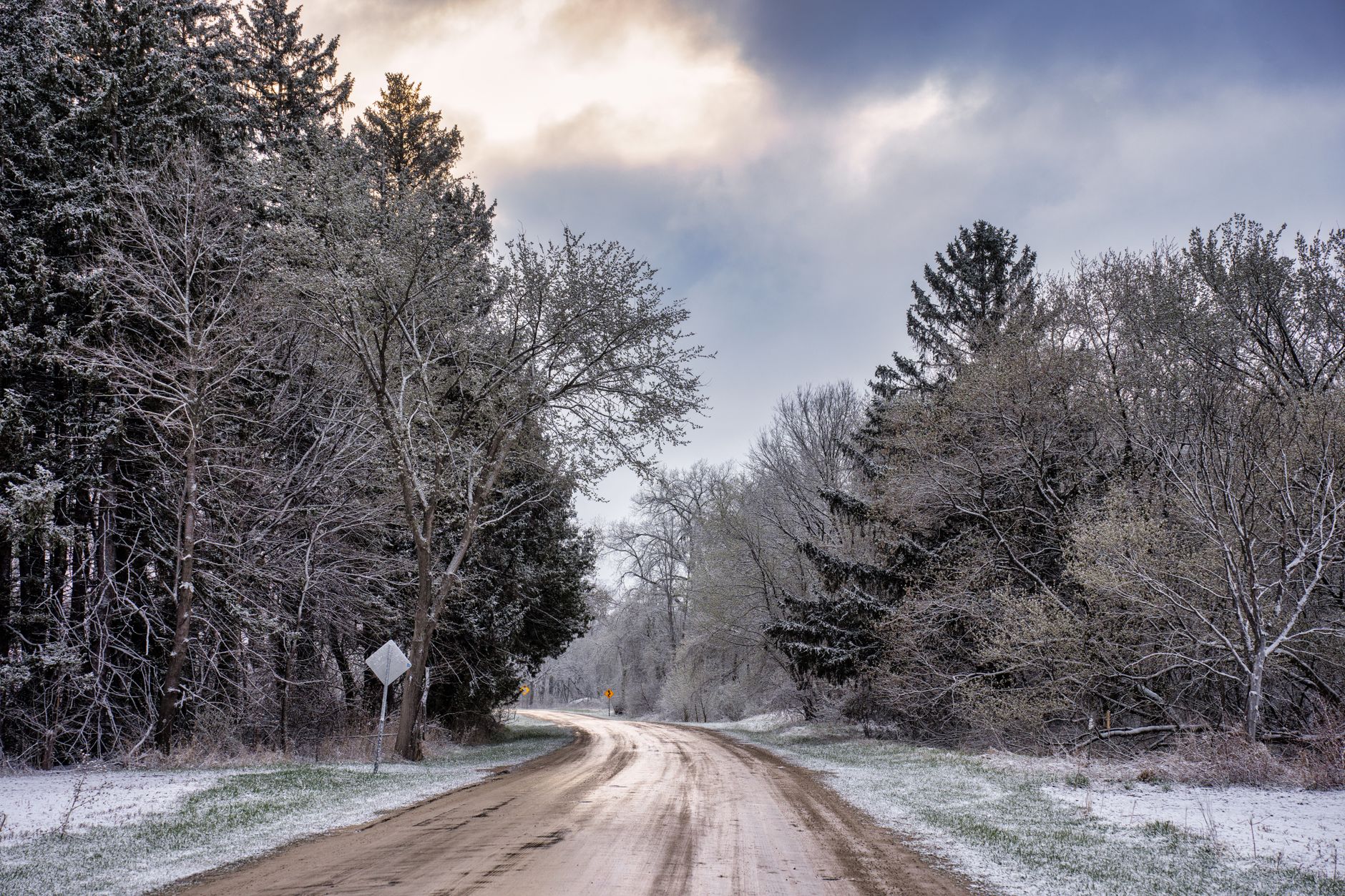
In some rural counties, the nearest in-network pharmacy for a Part D plan is technically within the regulatory distance threshold but requires navigating roads that are impassable in winter, or crossing a mountain pass that elderly drivers reasonably avoid. The geographic measurement that satisfies a network adequacy rule and the practical reality of getting there are often very different things. Regulatory compliance and actual access are not the same outcome.
The communities most exposed to pharmacy desert conditions tend to share a set of characteristics: declining population, high median age, high rates of poverty, limited broadband access (which affects telehealth and online pharmacy options), and a history of healthcare facility closures. These are not random outcomes – they reflect decades of underinvestment in rural infrastructure across multiple sectors simultaneously. Pharmacy access is one visible symptom of a much deeper structural fragility, and it is not one that a tweak to Medicare Part D reimbursement rules alone can repair. The question that rural health advocates keep returning to is whether the political will exists to treat rural pharmacy access as a public health obligation rather than a market outcome that communities simply have to live with.