


The Truce That Triggered a Rush
When the U.S. and China agreed to a 90-day tariff pause in May 2025, American importers did not wait to see how negotiations would unfold. Within days, purchasing managers were flooding freight forwarders with urgent booking requests, trying to front-load months of inventory before the window closed. The result was predictable to anyone who remembers 2021: container availability tightened almost overnight, and spot freight rates started climbing again.
The dynamic is familiar but no less disruptive for being so. Every time a major trade policy shift creates even a temporary cost advantage, importers behave like shoppers clearing shelves before a storm. The collective rational decision of thousands of individual businesses produces a congestion event that raises costs for everyone, including the businesses trying to save money in the first place.
The shortage is back.
How a Container Shortage Actually Happens
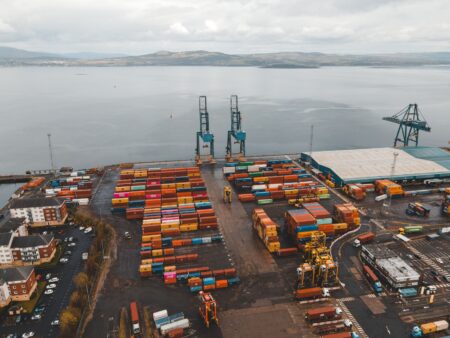
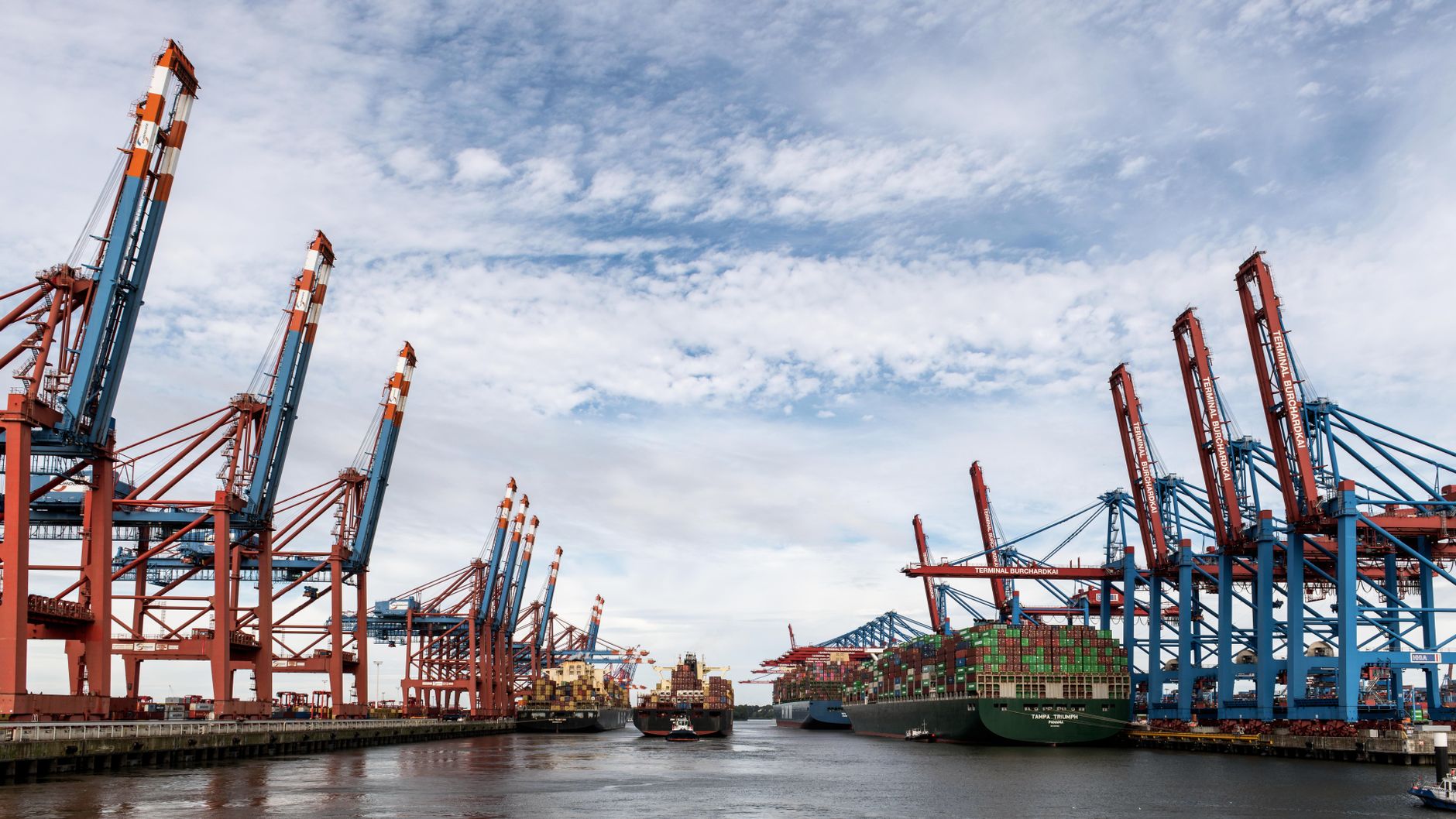
Shipping containers are not scarce in absolute terms – there are millions of them circulating across global trade routes at any given moment. What creates a shortage is misalignment between where the boxes are and where they need to be. When U.S. import demand surges abruptly, containers pile up at American ports waiting to be unloaded, processed, and repositioned. Meanwhile, Asian exporters – particularly in China, Vietnam, and South Korea – find themselves short of empty boxes ready to load. The delay between a demand spike and the repositioning of equipment can run four to eight weeks, which is long enough to cause serious booking backlogs.
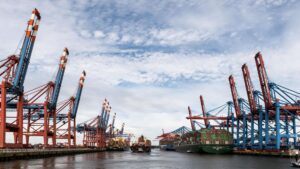
That repositioning lag is being felt right now. Freight brokers working trans-Pacific lanes are reporting that space on vessels departing major Chinese ports is being snapped up well in advance, with some sailings effectively sold out weeks ahead of departure. Carriers that had been quietly managing overcapacity through blank sailings – canceling scheduled voyages to prop up rates – now have little reason to offer discounts. The pricing power has returned to their side of the table.
The cost escalation is not purely about containers themselves. Port congestion follows import surges with near-mathematical consistency. When too many ships arrive in a compressed window, terminals run out of yard space, truck appointments get backed up, and chassis – the wheeled frames that move containers on land – become scarce. Drayage costs rise. Storage fees accumulate. A business that booked freight to save on tariffs can find that the demurrage and detention charges eat a substantial portion of whatever duty savings it anticipated. The strain on domestic logistics capacity that was already building before this latest rush is now compounding those pressures further.
Who Gets Squeezed and How
Small and mid-size importers are in the most difficult position. Large retailers with dedicated carrier contracts and guaranteed space allocations can largely ride out a demand surge without losing bookings. A mid-size furniture importer or a regional electronics distributor does not have that leverage. They book on the spot market, which is where rates spike hardest and fastest. When space sells out, they either pay a premium to get on a vessel or they wait – and waiting in a tariff truce environment means risking that the window closes before their goods ship.
There is also a second-order effect on businesses that have nothing to do with the import surge. Exporters shipping American goods abroad – agricultural products, industrial equipment, recycled materials – rely on repositioned empty containers for their outbound freight. When those empties are delayed because inbound boxes are stuck at congested terminals, export bookings get pushed or canceled. A grain exporter in the Midwest or a scrap metal dealer on the East Coast ends up absorbing disruption from an import frenzy they played no part in creating.
Retailers who managed to get goods on the water early may feel relief heading into the back half of the year – assuming they can absorb the carrying costs of higher inventory levels. But those who missed the window, or who are still waiting for space, face a harder calculation: pay elevated spot rates now, or wait and gamble that the tariff situation does not worsen when the 90-day pause expires. Neither option is clean.
The Rate Clock Is Running
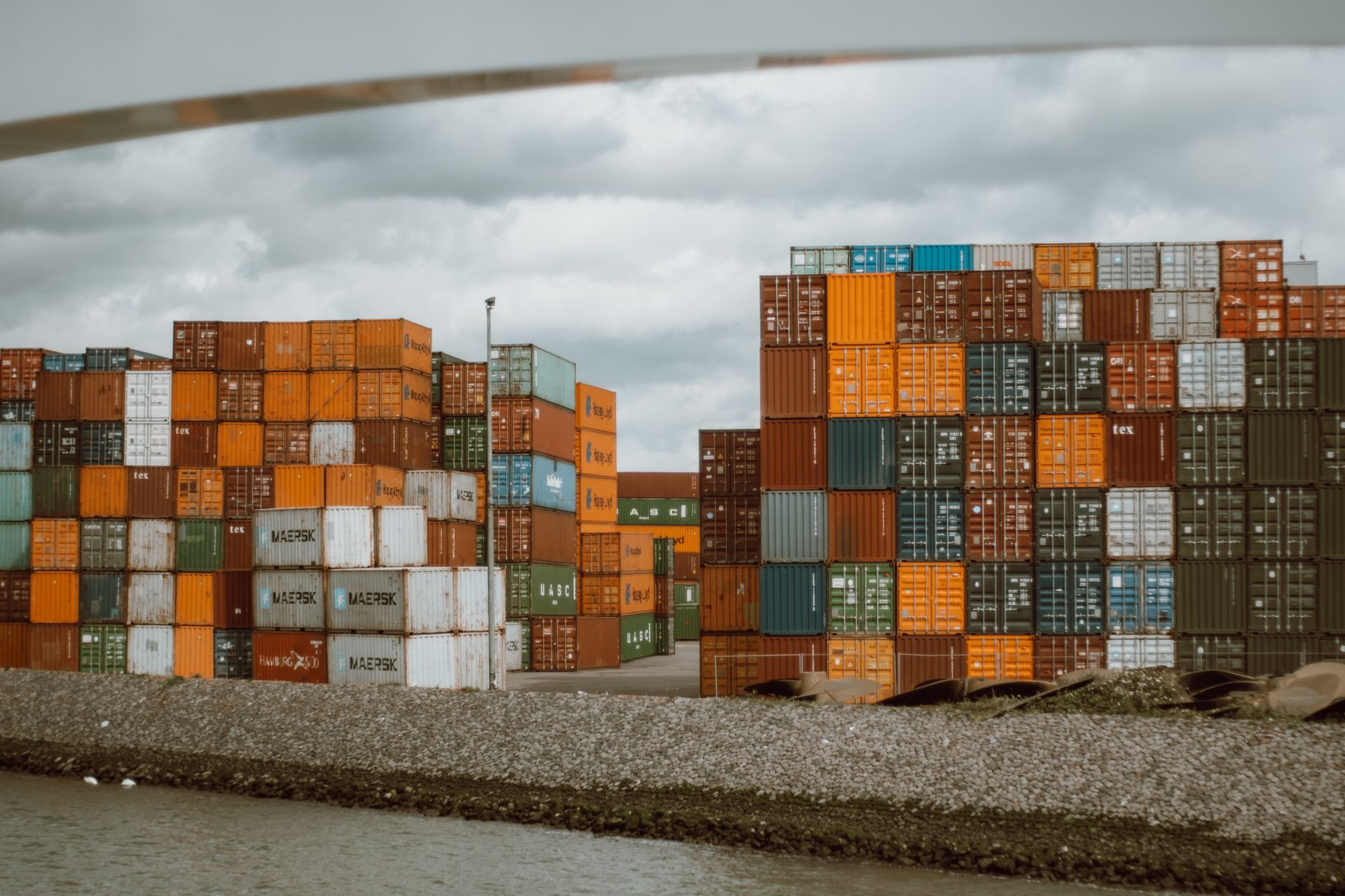
Spot rates on the Shanghai to Los Angeles corridor had already climbed noticeably from their early-2025 lows before the truce announcement, and the surge in booking activity has accelerated that trend. The 90-day window functions as a hard deadline, and deadlines concentrate demand. Every week that passes without a booking is a week of the truce that an importer cannot recover. That urgency will keep pressure on rates until either the window closes, carriers add meaningful capacity, or importers decide the math no longer works – and right now, for most categories of goods, the math of cheaper duties still outweighs the math of higher freight.
Frequently Asked Questions
Why is there a shipping container shortage again in 2025?
A 90-day U.S.-China tariff pause triggered a surge in import bookings as businesses rushed to front-load inventory, misaligning container supply with demand and tightening availability on trans-Pacific routes.
How does an import rush cause freight rates to rise?
When demand spikes suddenly, vessels fill up quickly and carriers regain pricing power. Port congestion follows, adding demurrage, detention, and drayage costs on top of higher spot freight rates.