





A Budget Problem That Was Always Coming
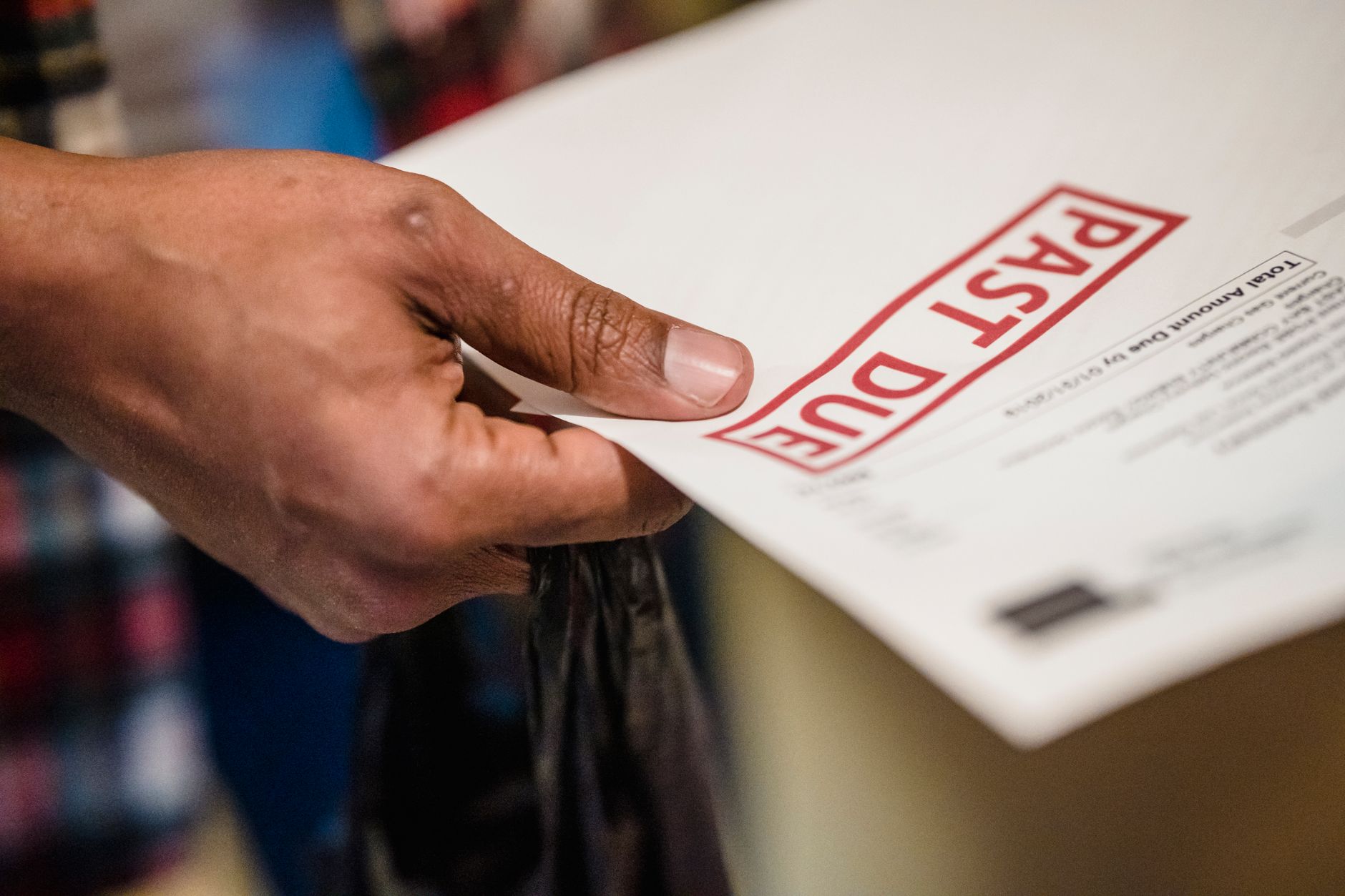
Federal student loan defaults were supposed to decline after a years-long pause in repayment requirements gave borrowers time to stabilize their finances. Instead, the transition back to normal repayment has exposed how many borrowers were never financially stable to begin with. Default rates among borrowers who returned to active repayment status have climbed sharply, and the ripple effects on federal budget projections are now drawing serious attention from fiscal watchdogs and appropriations staff alike.
The issue is not simply that people are not paying. The deeper problem is what defaults mean for the federal balance sheet. Student loans are counted as assets – future revenue the government expects to collect. When default rates rise, those projected inflows shrink, and the gap between what the Congressional Budget Office originally modeled and what the Treasury is actually collecting widens in ways that require formal budget revisions.
How Default Projections Get Built – and Why They Break
When Congress authorizes new student loan programs, the CBO scores the cost using a model that assumes a certain percentage of borrowers will repay in full, a percentage will partially repay through income-driven plans, and a smaller percentage will default outright. That scoring happens at the point of legislation, sometimes a decade before the loans in question actually enter repayment. A lot can change.
What changed most dramatically was the mix of borrowers who took on federal debt during the rapid expansion of graduate and professional lending programs. Graduate PLUS loans, which carry no borrowing caps, ballooned the average debt load for professional school graduates. Many of those borrowers now face monthly payments that exceed what their actual earnings support, particularly in fields like social work, education, and certain health professions where credential requirements are high but wages have not kept pace.
The undergraduate picture is different but no less problematic. A large share of borrowers who defaulted quickly after the repayment pause ended had attended for-profit institutions or had left school without completing a degree. These borrowers tend to carry smaller balances but have the lowest repayment rates – a combination that makes default almost statistically inevitable when income-driven enrollment is not completed correctly. Administrative enrollment barriers in income-driven repayment programs have contributed directly to defaults that could have been prevented with simpler paperwork processes.
What the Numbers Mean for the Federal Budget
Federal student loan portfolios run into the trillions of dollars, which means even small shifts in default assumptions produce large dollar swings in projected costs. A one-percentage-point increase in the long-run default rate across the full portfolio translates into billions of dollars in additional losses – losses that must be accounted for in the federal budget as they are recognized, not smoothed out over time. The Federal Credit Reform Act requires those adjustments to flow through congressional budget accounting, which means rising default rates show up as increased spending, even though no new appropriation was passed.
This creates a political complication that sits alongside the fiscal one. Members of Congress who voted years ago to expand loan access, and who were told those programs would pay for themselves or cost relatively little, are now watching revised CBO estimates show those same programs as increasingly expensive. That creates pressure to cut other discretionary programs to offset the recognized losses, or to revisit loan program structures in ways that would affect future borrowers.

The Income-Driven Repayment Complication
Income-driven repayment plans were designed to prevent defaults by capping monthly payments at a percentage of discretionary income, with loan forgiveness after a set number of years. In theory, this should have made federal student lending nearly default-proof for anyone who enrolled correctly. In practice, the interaction between income-driven repayment enrollment, default timelines, and budget accounting has created its own fiscal headache.
Borrowers who successfully enroll in income-driven plans and make low or zero payments over decades are not defaulting, but they are also not generating the repayment revenue the original loan scoring assumed. The CBO and the Department of Education have repeatedly revised their cost estimates for income-driven programs upward as actual enrollment outpaces original projections and as courts and policy changes have altered plan eligibility and forgiveness terms. The Biden administration’s SAVE plan, for instance, was estimated to cost substantially more than initially projected, before legal challenges complicated its implementation.
The result is a portfolio that is being squeezed from two directions at once. On one end, defaults are rising among borrowers who fell through the income-driven enrollment process. On the other end, the cost of successful income-driven repayment is itself higher than budgeted because more borrowers are using it, and many will ultimately have balances forgiven rather than repaid. Both outcomes increase federal costs, just through different accounting mechanisms.
What makes this particularly difficult to resolve through normal budget negotiations is that student loan costs are classified as mandatory spending, which means they do not go through the annual appropriations process that governs most discretionary programs. Adjusting them requires changes to the underlying authorizing legislation, which demands a level of bipartisan cooperation that has proven elusive on higher education finance for years. The practical consequence is that default-driven budget pressure accumulates without a clean legislative mechanism to address it – and the mismatch between what was scored and what is actually happening continues to widen with each repayment cohort that enters the system.
Frequently Asked Questions
Why do student loan defaults affect the federal budget?
Student loans are counted as federal assets. When defaults rise, projected repayment revenue falls, and budget accounting requires recognizing those losses as increased spending.
What role does income-driven repayment play in budget projections?
Income-driven repayment prevents default but costs more than originally projected because enrollment is higher than expected and many balances will ultimately be forgiven rather than repaid.