




When the Rush to Buy Ahead of Tariffs Becomes a Liability
Earlier this year, American importers did something that made short-term sense: they bought everything they could before new tariff schedules took effect. Electronics, furniture, industrial components, apparel – warehouses filled up fast as purchasing managers front-loaded months of demand into a compressed window. It felt like smart business. Now, sitting on all that inventory through a slower-than-expected summer, many of those same companies are quietly throttling new orders to work through what they already have.
The result is a pullback in import demand that does not show up in any single dramatic headline but is visible in freight volumes, port throughput numbers, and the cautious tone coming from logistics companies. Q3 is shaping up as a digestion quarter – the hangover after the stockpiling sprint. And because the pullback is demand-driven rather than supply-constrained, there is no easy external villain to blame.
How the Inventory Glut Built Itself
The mechanics are straightforward. When tariff increases are announced with lead time, rational buyers accelerate purchases. This creates a spike in import volume that flatters trade data in the short term – and then creates a vacuum when the window closes. The same dynamic played out in earlier rounds of U.S.-China trade friction, and again during the supply chain chaos of 2021 and 2022, when over-ordering left retailers holding excess stock well into 2023. Companies said they learned the lesson. Some did. Many repeated it anyway, because the incentive structure remained the same: the cost of holding too much inventory is diffuse and slow, while the cost of paying a 25% tariff on the next shipment is immediate and quantifiable.
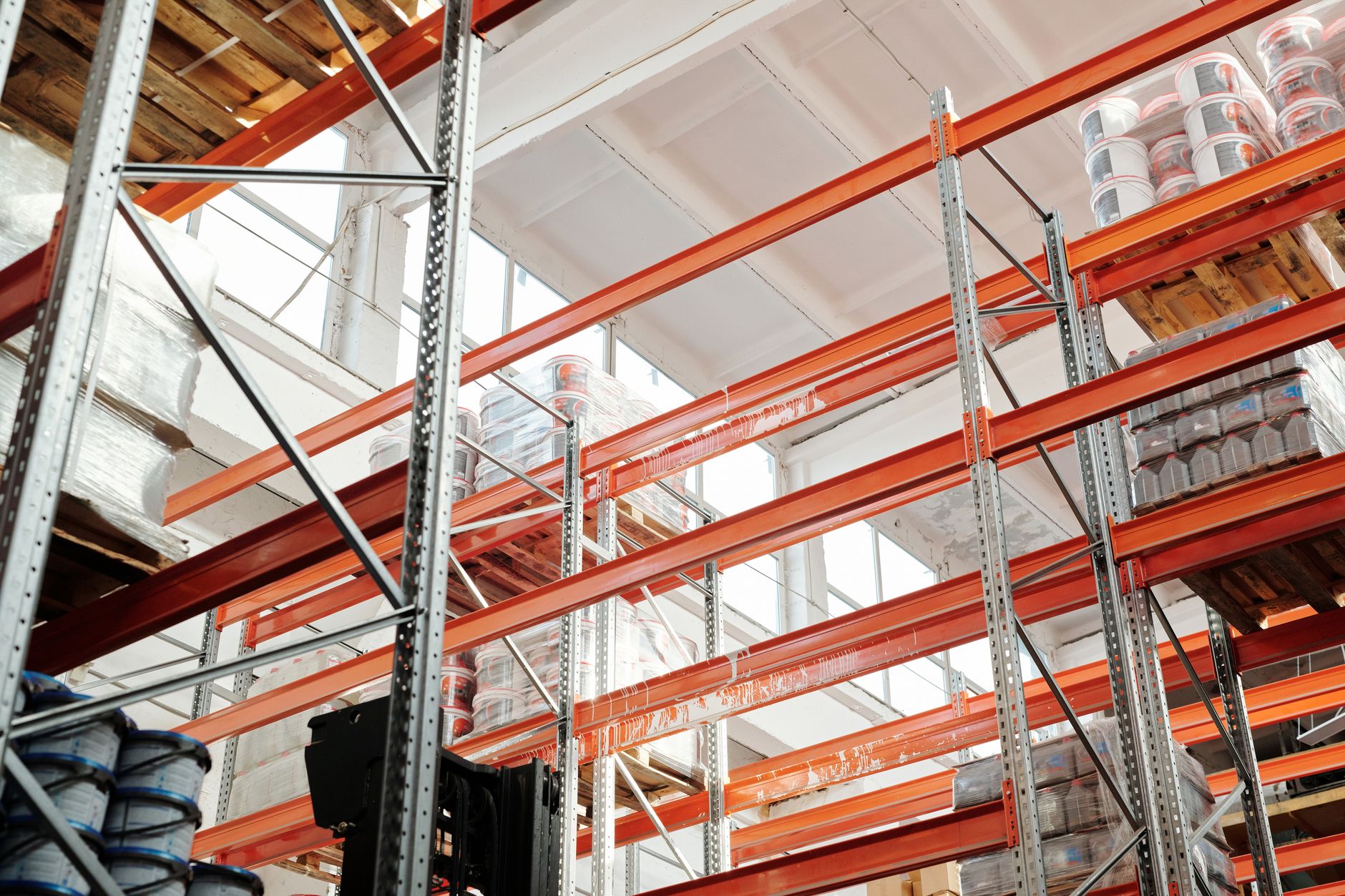
What makes the current situation distinct is scale and timing. The stockpiling window earlier this year was shorter and more compressed than previous rounds, which means inventory arrived in a narrower band. Warehouses that were already running at elevated utilization rates – a condition that persisted from the pandemic-era overcorrection – had less slack to absorb another surge. The result is that some importers are now paying to store goods they cannot move, while simultaneously holding off on new orders. Both conditions depress import demand at the same time, compounding the effect.
What the Freight Data Is Actually Showing
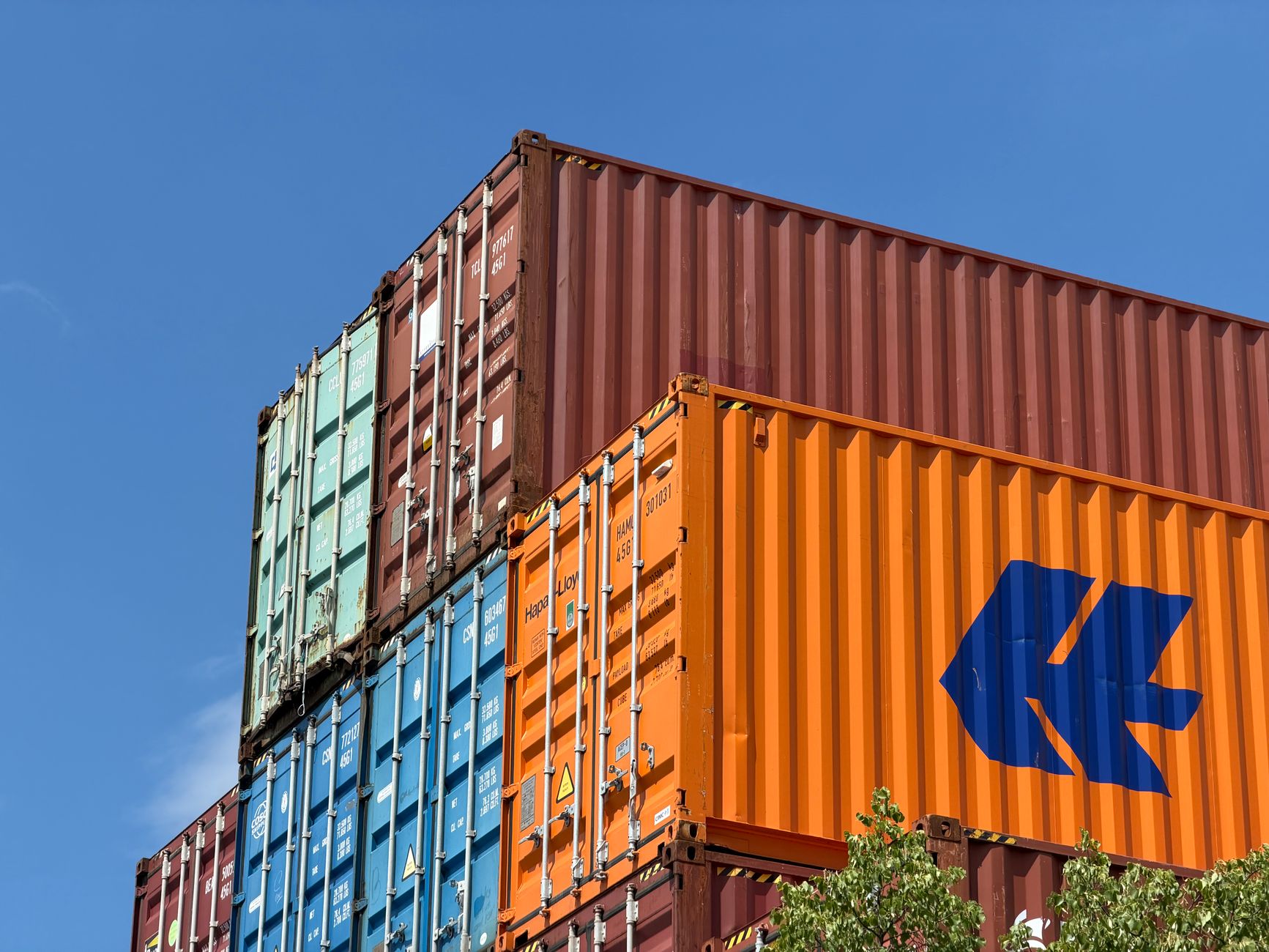
Container bookings from major Asian manufacturing hubs to U.S. West Coast ports softened noticeably heading into July. Spot freight rates, which had spiked sharply during the pre-tariff rush, began retreating – not because ship capacity suddenly expanded, but because cargo volumes eased. Trucking companies handling inland distribution have reported softer load volumes on lanes connecting major distribution centers to retail fulfillment points, a sign that the goods already in warehouses are moving slowly toward consumers rather than being replenished aggressively from overseas.
Air freight, typically the channel for high-value, time-sensitive goods, has held up better. Electronics components and pharmaceutical inputs – categories where stockpiling is harder because of shelf-life or just-in-time production requirements – continue moving steadily. But the bulk of tariff-affected goods travel by sea, and the ocean freight picture is clearly softer.
Port operators on the West Coast have noted a more uneven flow of vessel calls compared to the concentrated surge seen in the first quarter. That unevenness is itself a signal – it suggests importers are placing smaller, more cautious restocking orders rather than booking capacity in bulk. The urgency is gone, at least for now. Softer conditions are also showing up in industrial channels, where production schedules are being trimmed in response to weaker order books.
Retail sector purchasing patterns tell a similar story. Apparel buyers and home goods importers – two categories that front-loaded aggressively – are running tighter order cycles, giving themselves less forward visibility and more flexibility to adjust if consumer demand softens further. It is a defensive posture, and it is showing up as reduced import demand precisely when Q3 data is being collected.
Consumer Spending Is Doing the Slow Leak
The inventory hangover would be more manageable if consumer spending were running hot enough to burn through stockpiles quickly. It is not. Spending has held up at the headline level, but categories that overlap heavily with tariff-affected imports – discretionary goods, home furnishings, electronics upgrades – have shown fatigue. High borrowing costs have not disappeared, and credit card delinquency rates have been trending in the wrong direction for lower-income households. The result is that the goods sitting in warehouses are moving, but not fast enough to clear inventory and trigger aggressive restocking before Q3 closes.
This creates a feedback loop. Slow retail sell-through means importers hold back on new orders. Reduced orders mean less work for freight and logistics. Softer logistics activity feeds into weaker earnings for transportation companies, which then pull back on equipment investment. None of this is a collapse – it is a slow drag, the kind that does not generate alarm but does quietly subtract from economic momentum.
The Policy Uncertainty That Keeps Buyers Guessing
Tariff policy uncertainty has not resolved – it has just shifted shape. Companies that stockpiled ahead of one set of tariff deadlines are now trying to read signals about whether those tariffs will hold, escalate further, or partially roll back through trade negotiations. That uncertainty is not incentivizing new import orders; it is encouraging patience. If there is a chance that tariffs get reduced in Q4 through some agreement, a buyer holding excess inventory has even less reason to place fresh orders at today’s tariff-inclusive prices.
The problem is that trade negotiation timelines are notoriously elastic. Companies cannot hold purchasing indefinitely on the hope of a deal. At some point, inventory runs low enough that orders must be placed regardless of policy clarity. But for now, Q3 sits in that ambiguous middle zone where many importers are comfortable waiting a bit longer before committing to the next round of purchases.
There is a longer-term structural question sitting underneath all of this. Every cycle of tariff-driven stockpiling followed by demand vacuum has nudged a small but growing number of importers to explore shortening supply chains – nearshoring production, diversifying away from single-country sourcing, building smaller but more responsive supplier networks. That shift costs money upfront, but it reduces exposure to the stockpile-and-wait cycle. Companies that made those investments in earlier years are less vulnerable to the current hangover. Companies that deferred the investment are living it right now.
Frequently Asked Questions
Why did U.S. importers stockpile goods ahead of tariffs?
When tariff increases are announced in advance, buyers accelerate orders to avoid paying higher duties – creating a short-term import surge followed by a demand pullback once warehouses are full.
How long does the import demand pullback typically last?
It depends on how fast retail demand burns through existing inventory. In previous cycles, the digestion period has lasted one to two quarters before restocking orders pick back up.