





When the Bins Overflow
Thrift stores across the country are buried. Back rooms that once cycled inventory weekly are now stacked floor to ceiling with unsorted bags. Goodwill locations in several metro areas have reportedly begun turning away donations on certain days, posting signs and redirecting trucks. The Salvation Army has acknowledged sorting backlogs at processing centers. What is happening in these loading docks is a direct read on what is happening inside American homes: people are getting rid of things, and they are doing it fast.
The surge is not a seasonal blip tied to spring cleaning or post-holiday purging. It has sustained itself well into the year, and the composition of the donations – furniture, appliances, kitchenware, clothing still bearing retail tags – suggests households are not just decluttering. They are liquidating. The distinction matters, because one is a lifestyle choice and the other is a financial signal.
What Ends Up at the Drop-Off Counter
Donation intake at secondhand chains functions as an informal economic barometer. When households feel financially squeezed, they tend to convert possessions into either cash or space. Items that get donated rather than sold on Facebook Marketplace or eBay are often things people want gone quickly – goods where the friction of listing, photographing, and shipping feels like too much work relative to the return. A surge in donated goods, particularly in higher-value categories like furniture and small appliances, suggests people are prioritizing speed over recovery value.
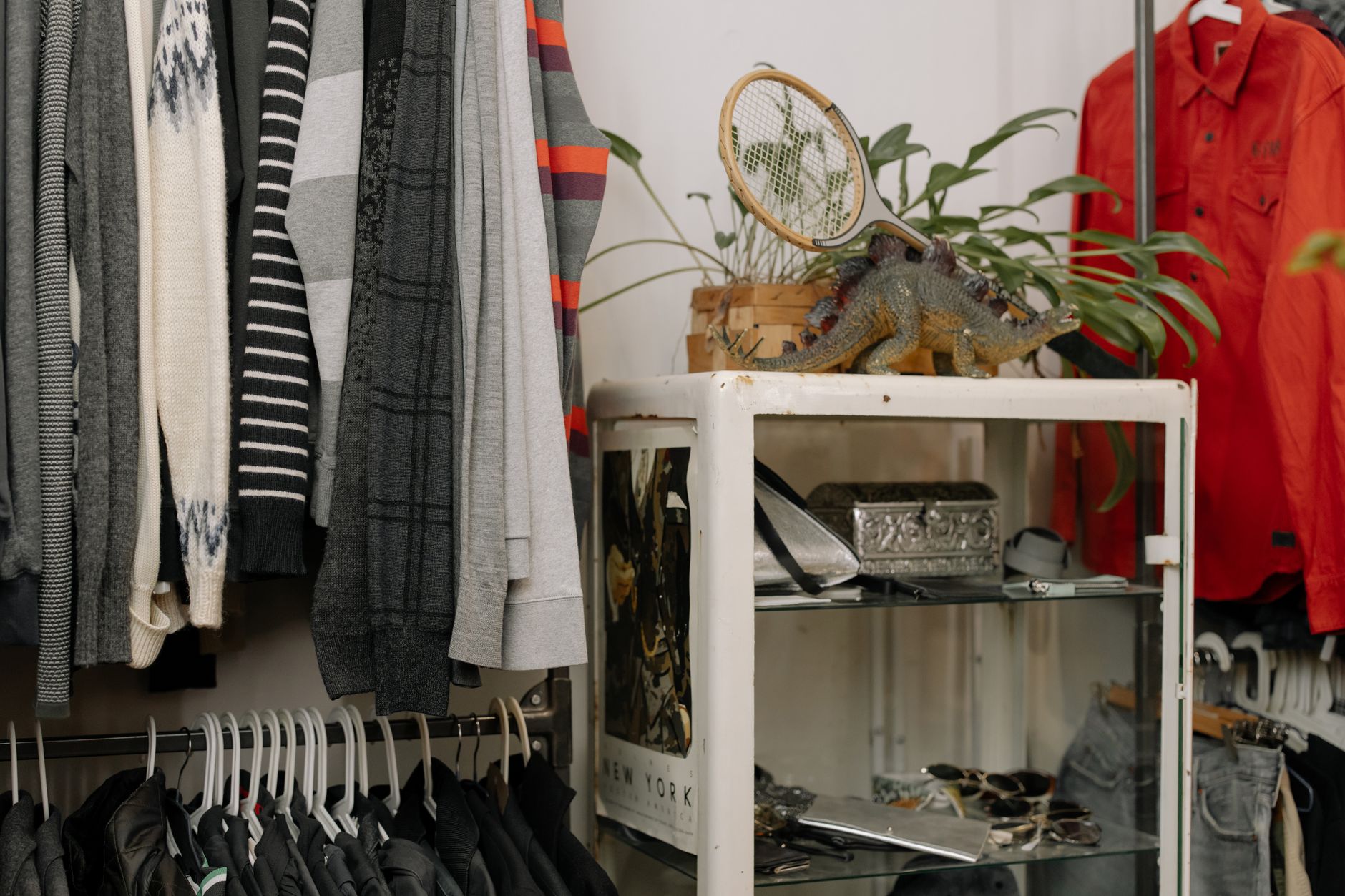
Clothing donations are running especially high, and the category breakdown is telling. Thrift workers at several chains have noted more fast fashion alongside genuine quality pieces – blazers, dress shoes, formal wear – that typically circulate during periods of wardrobe downsizing tied to lifestyle changes. Job losses, moves, divorce, and retirement all produce that kind of donation profile. The mix of budget and premium items arriving together points to a broad demographic range of households making similar decisions around the same time.
Furniture volume is particularly notable. Sofas, dining sets, and bedroom furniture are difficult to donate; they require trucks, scheduling, and physical labor. Households do not donate furniture impulsively. When that category surges alongside soft goods, it typically corresponds with relocations – people moving from owned homes to rentals, from larger spaces to smaller ones, or leaving markets entirely. Housing cost pressure is the most likely driver, though job relocation and household consolidation also contribute.
The Resale Market Absorbs the Shock – Unevenly
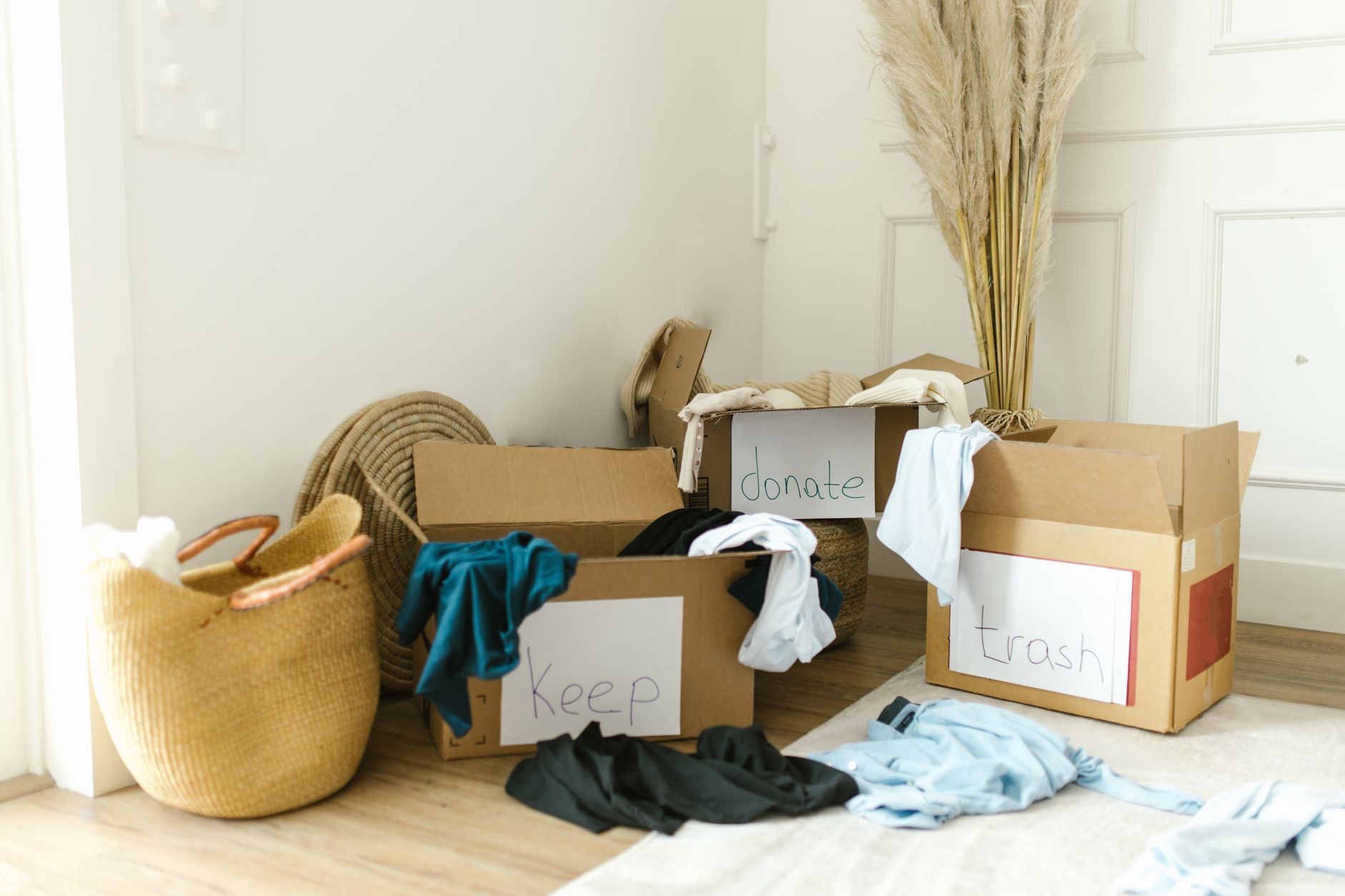
The flood of supply creates its own problem for the thrift model. Secondhand retail operates on thin processing margins, and a sudden inventory glut stresses the entire pipeline. Sorting, cleaning, pricing, and displaying goods requires labor that does not scale cheaply. When donation volume outpaces floor capacity, the operational math breaks down – stores cannot sell goods they cannot process, and unprocessed goods sitting in back rooms generate no revenue while consuming square footage and staff time.
The thrift sector has also seen its customer base shift. Secondhand shopping shed its stigma years ago, and demand from younger, budget-conscious consumers remains strong. But elevated supply does not automatically translate to elevated sales when the bottleneck is operational rather than demand-side. Some regional operators are reportedly routing overflow to liquidation wholesalers and bin stores – a lower-margin outlet that at least clears the backlog. This mirrors a pattern visible in other inventory-heavy sectors, where excess stock finds a floor price rather than sitting idle. The warehouse sublease market has shown similar pressure as businesses dealing with their own excess inventory seek to shed space alongside goods.
A Household Stress Signal in Plain Sight
The economics of why people donate rather than hold onto things come down to carrying costs – not always financial, but psychological. Consumer goods accumulated during the low-rate, stimulus-flush years of 2020 and 2021 are now sitting in apartments and homes that cost more to maintain, heat, and rent than they did when those goods were purchased. Downsizing the physical footprint of a household is often the first visible move people make before more significant financial adjustments follow.
Credit card delinquency rates have been climbing. Savings buffers built during the stimulus period have largely been drawn down. The consumer spending figures that remained resilient through much of 2023 and 2024 are now showing strain in specific categories. Donation surges at thrift stores are not typically covered in economic reporting, but they represent real-time behavioral data that precedes the lagged official statistics. By the time delinquency rates and retail sales figures reflect consumer stress, people have already been dropping off their sectional sofas for months.
There is also a generational element worth examining. Younger households that entered the rental market during peak lease pricing and accumulated goods during a period of relatively easy credit access are now recalibrating. Older households, particularly retirees or near-retirees navigating fixed incomes against elevated grocery and healthcare costs, are downsizing possessions alongside living arrangements. Both groups are showing up at donation counters for different reasons, but the collective effect is the same: a sustained, non-seasonal inventory surge that the thrift sector is struggling to absorb.

What makes the current moment distinct is the breadth of the purge across income levels and item categories. Thrift store donation patterns in prior downturns – 2008, early 2020 – tended to skew toward specific demographics or item types. What stores are processing now looks more diffuse: goods from many kinds of households, covering many categories, arriving without the natural ebb and flow that normally regulates intake. Store managers who have worked the sector through multiple economic cycles are describing this as different in texture, if not yet in scale. Whether that texture hardens into something more severe depends on whether the households currently donating their dining sets are also, quietly, falling behind on something else.