





When utility shutoff moratoriums were enacted during the pandemic, they functioned as a financial pressure valve – keeping households connected while incomes collapsed. Now that most of those protections have expired, the pressure is releasing in the worst possible direction: straight into the arrears columns of utility balance sheets, and into the budget gaps of families who never fully recovered.
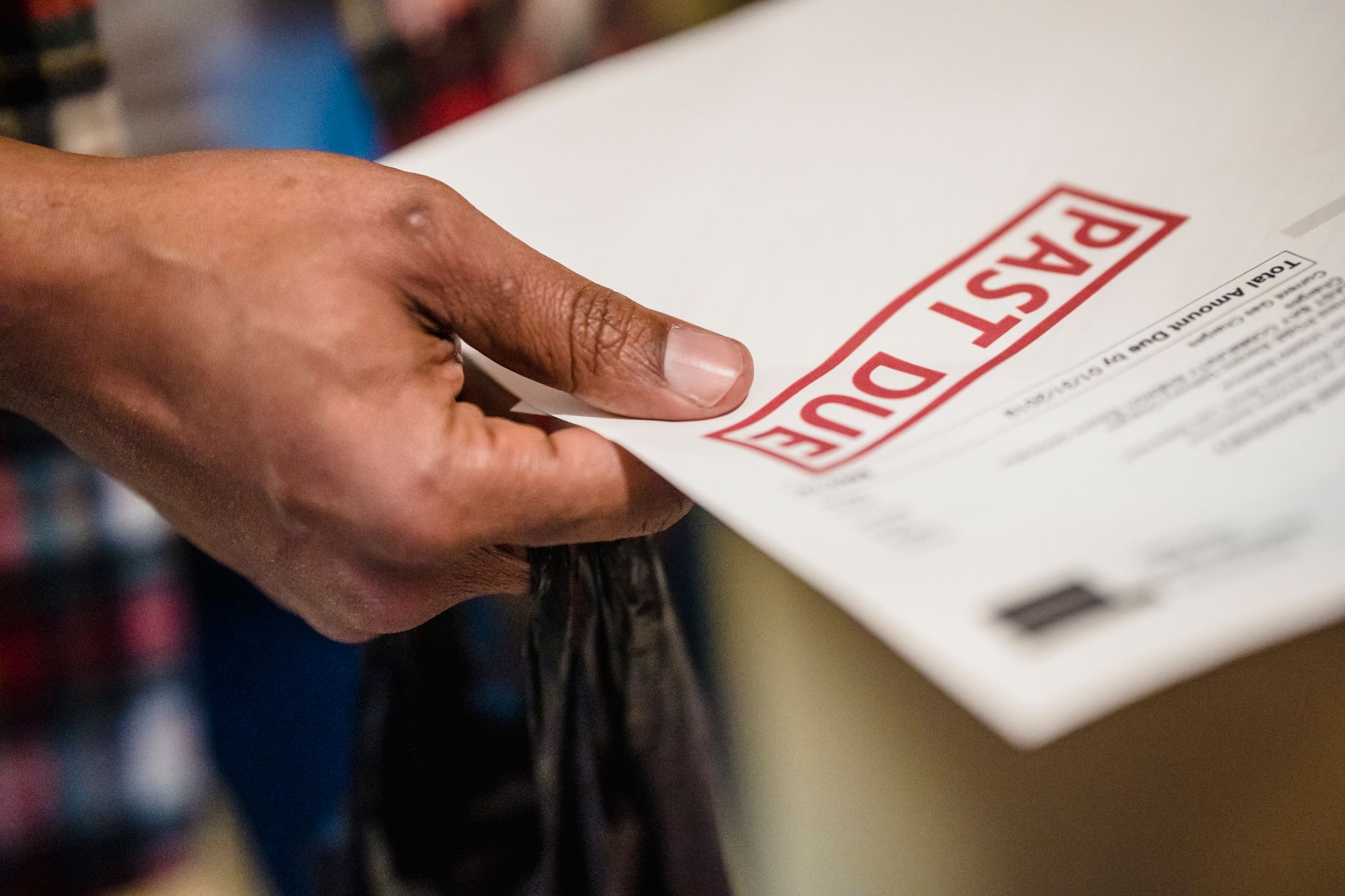
The Debt That Never Went Away
Moratoriums did not erase utility debt. They deferred it. For households that lost jobs, reduced hours, or took on new caregiving responsibilities during the economic disruption of the early 2020s, the moratorium period was not a reset – it was a reprieve. The bills kept accumulating in the background, and the assumption that economic recovery would lift all boats before protections ended turned out to be wrong for a significant portion of low-income ratepayers.
Electric, gas, and water utilities across the country are now reporting arrears levels that dwarf pre-2020 figures. The accounts most behind are concentrated in lower-income zip codes, often in states where federal relief programs like the Low Income Home Energy Assistance Program (LIHEAP) were underfunded relative to local need, or where application processes created barriers that eligible households never cleared. The result is a backlog of debt that many of these customers have no realistic path to repaying under current rate structures.
What makes the arrears problem structurally difficult is that utility debt does not work like credit card debt. You cannot simply stop using electricity or heat when temperatures drop. Households in arrears continue to accumulate new charges on top of old ones, compounding the balance even when a family is making partial payments. Payment plan options – where they exist – often require upfront lump-sum deposits or minimum monthly amounts that remain unaffordable for households already stretched by inflation in food, rent, and transportation.
State public utility commissions vary enormously in what they require utilities to offer. Some mandate extended repayment plans, arrearage management programs, and income-verified rate tiers. Others give utilities wide discretion to set their own reconnection fees and deposit requirements, which means the experience of being in arrears can differ dramatically depending on where a family lives. A household in one state might be offered an 18-month payment plan with no deposit; in a neighboring state, the same household might face a $400 reconnection fee before service is restored.
Who Carries the Balance
The households deepest in arrears share a recognizable profile: they are renters rather than owners, they are more likely to live in older housing stock with inefficient appliances and poor insulation, and their utility costs as a percentage of income are already far higher than middle- or upper-income households face. Energy burden – the share of household income spent on energy alone – runs three to four times higher for low-income families than for higher-income ones, even before accounting for any accumulated debt. Adding arrears on top of an already stressed monthly budget creates a math problem with no clean solution.
Renters face a specific additional layer of complication. In many markets, utilities are metered directly to tenants rather than bundled into rent, which means the tenant bears full liability for arrears even if the underlying problem – a drafty building, an aging HVAC system, inadequate weatherization – is the landlord’s responsibility. Some landlords have used utility debt as a pretext for eviction proceedings, even where local tenant protections nominally prohibit it, because the legal process of contesting those evictions requires time and resources that tenants in arrears rarely have.
The pattern echoes what happened with credit access narrowing for lower-income households – as formal relief mechanisms contract, people fall into higher-cost, harder-to-exit arrangements. Utility debt, once it triggers a shutoff and a collections referral, can damage credit scores in ways that make it harder to rent, get a job, or access the banking products that might help stabilize finances in the first place. The secondary damage radiates outward from the original unpaid bill.
Community action agencies and social service organizations that historically helped families navigate LIHEAP applications and utility assistance are now seeing caseloads they are not resourced to handle. The federal funding that expanded during the peak disruption years has contracted, and state-level programs have not consistently filled the gap. Some agencies are operating waitlists for energy assistance; others have had to narrow eligibility criteria to manage demand, which means a portion of households that qualify under federal guidelines are being turned away at the local level simply because the money runs out before the need does.
Utilities themselves are caught in a genuine bind. Arrears that go unrecovered are costs that ultimately get redistributed across the ratepayer base – meaning that other customers, including other low-income ratepayers who are current on their bills, subsidize uncollected debt through rate structures. This creates political pressure from ratepayer advocates to pursue collections aggressively, even as anti-poverty advocates push in the opposite direction. The regulatory space between those two pressures is where most of the actual policy happens, and it is a space that tends to move slowly.

Where the Policy Response Falls Short
The standard toolkit for addressing utility arrears – arrearage forgiveness programs, tiered rate structures, expanded LIHEAP funding, weatherization assistance – is well understood. None of it is new. What is new is the scale of the problem relative to the capacity of existing programs, and the timeline mismatch between when debt accumulated and when assistance money is available. LIHEAP appropriations are set annually by Congress and are not automatically indexed to rising arrears levels or energy prices. When natural gas prices spiked, household heating costs rose faster than program funding did, and the gap between what families owed and what assistance could cover widened.
Some states have moved to require utilities to offer arrearage management programs as a condition of operating in the state, tying partial debt forgiveness to sustained on-time payments. The idea is to create a structured off-ramp that keeps households connected while gradually reducing the balance. Where these programs exist and are properly funded, they show promise – but enrollment rates tend to be low, partly because outreach to eligible households is inconsistent, and partly because the income verification requirements create friction at exactly the moment when a household is least equipped to navigate bureaucracy. A family facing shutoff notices is also often facing other crises simultaneously, and completing a multi-step application is not always the most urgent thing on the list.

The deeper question – whether utility service should be treated as an essential public good with funding mechanisms that reflect that status rather than as a commodity with market-rate collections – is one that state legislatures have largely avoided. The political cost of restructuring utility regulation is high, the utility industry is well-organized, and the households most affected by arrears tend to have limited political representation. So the gap between the scale of the problem and the ambition of the response persists, and the bills keep adding up in accounts that are already overdrawn.
Frequently Asked Questions
What happens to utility debt when a shutoff moratorium expires?
The deferred debt becomes immediately collectible, and households that could not repay during the moratorium period now face shutoff threats, reconnection fees, and potential credit damage on top of ongoing charges.
What is LIHEAP and does it cover utility arrears?
LIHEAP is the federal Low Income Home Energy Assistance Program. It can help with past-due balances in some cases, but funding is capped annually and often runs out before all eligible households are served.