




The Quiet Oversupply Problem No One Wants to Talk About
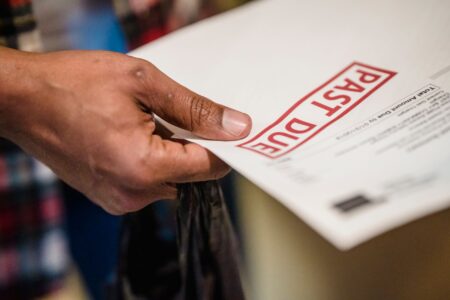
When e-commerce was booming, companies raced to lock up warehouse space faster than they could count the square footage. Now those same companies are trying to quietly offload millions of square feet of industrial space they no longer need – and the volume of warehouse subleases sitting on the market tells a more honest story about consumer demand than most quarterly earnings calls do.
Sublease availability in major logistics hubs – the Inland Empire, Chicago, Dallas, and northern New Jersey – has climbed well above historical norms. This is not a localized correction. It is a broad pullback by retailers, third-party logistics firms, and direct-to-consumer brands that over-committed to space during the supply chain panic years, and are now paying rent on square footage they cannot fill.
How the Overexpansion Happened
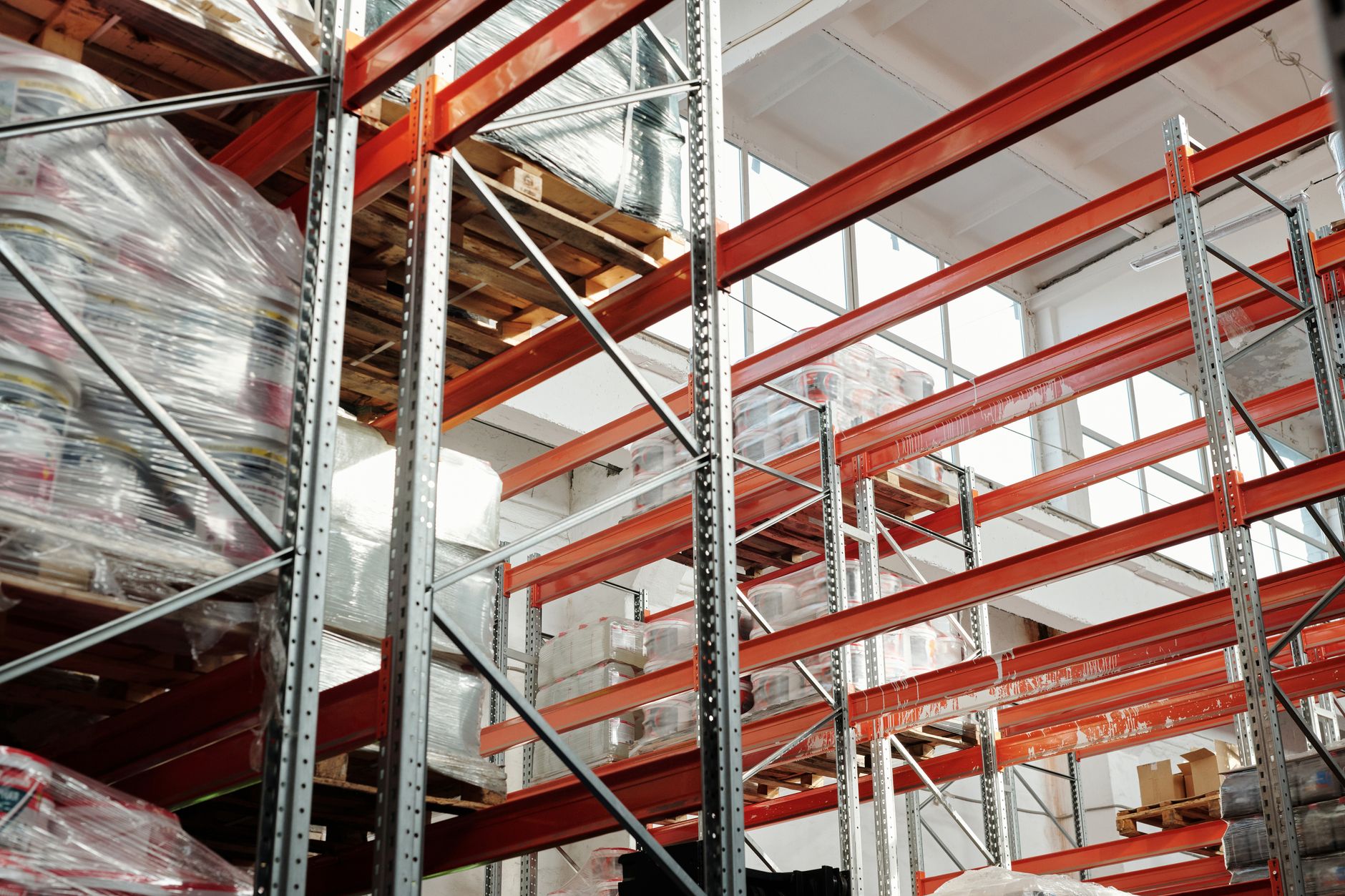
The logic at the time was defensible. During the supply chain disruptions of 2021 and 2022, companies that could not get inventory fast enough started hoarding capacity. If you could not predict when your goods would arrive, you took more space than you needed and held it. Retailers that had spent years running lean suddenly decided that excess buffer was worth the cost. Leases were signed aggressively, often for five to ten years, in markets where vacancy rates had already dropped to historic lows.
The problem is that the consumer behavior driving that logic proved temporary. The surge in goods spending – everything from home fitness equipment to patio furniture to electronics – tapered as households shifted spending back toward services, travel, and dining. Inventories normalized. Shipping times stabilized. What remained were lease obligations that companies are now trying to escape, sub-let, or simply absorb as a cost of doing business.
What the Sublease Market Is Actually Saying
A sublease glut is different from a vacancy spike. When a landlord cannot fill a building, it shows up immediately as vacant space. But when a tenant cannot fill the space they are already paying for, the building technically stays “occupied” – which means standard vacancy metrics can mask the real softness in the market for months, sometimes years. Sublease availability is the more honest indicator, and right now it is flashing a warning that raw vacancy numbers have not yet fully captured.
The brands most exposed are the mid-size direct-to-consumer retailers that scaled aggressively during the pandemic period and locked in long-term leases expecting continued growth in online orders. Many of them are now sitting on warehouses in secondary markets – Las Vegas, Memphis, Columbus – that were supposed to serve as regional fulfillment hubs for an order volume that never materialized at the projected level.
Rents in prime industrial corridors, which had climbed to levels that stunned longtime real estate brokers, are starting to soften in markets where sublease supply is heaviest. Landlords are offering more concessions – free rent periods, tenant improvement allowances – to compete for a shrinking pool of committed tenants. That pricing pressure, still modest in some markets but more pronounced in others, is the natural consequence of tenants having an alternative: sublet space available well below asking rates on new leases.
The math on those subleases can be attractive for small and mid-size businesses looking for short-term space without a decade-long commitment. A brand that needs two years of warehouse capacity to test a new market can pick up sublet space from a struggling retailer at a meaningful discount. That dynamic is helping to slowly absorb some of the excess, but the volume of available sublease space in many markets remains large enough that absorption will take time.
The Signal for E-Commerce Demand
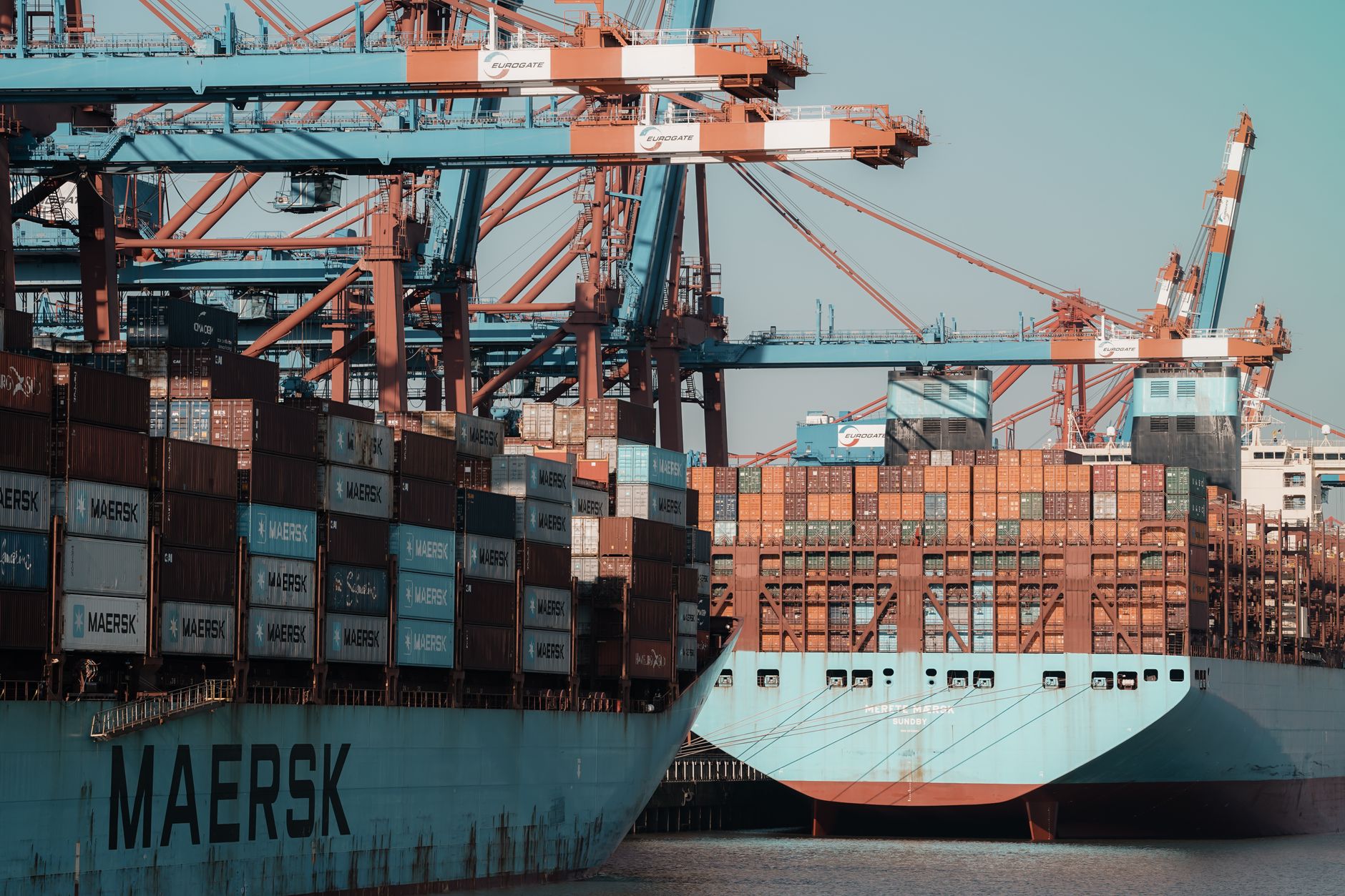
Strip away the real estate mechanics and what remains is a straightforward read on e-commerce momentum. Companies take on warehouse space because they expect to need it. When they are shedding it, the story is the opposite. The current sublease wave reflects not just past overbuilding but a downward revision in forward-looking demand projections by the companies closest to actual order volumes.
That does not mean e-commerce is contracting in absolute terms. Online retail continues to grow as a share of total retail spending. But the rate of growth has slowed considerably from the extreme highs of 2020 and 2021, and many companies built their logistics infrastructure assuming those highs were the new floor. They were not. The sublease glut is the physical evidence of that miscalculation sitting in industrial parks across the country.
What Happens Next in Industrial Real Estate
Developers who broke ground on speculative warehouse projects during the boom are now delivering space into a market with softening fundamentals. New supply hitting the market at the same time tenants are shedding existing space creates a two-sided pressure that will weigh on rents and absorption timelines throughout the next several quarters. Markets like Phoenix and the Inland Empire, which saw some of the heaviest speculative construction activity, face the most pronounced adjustment.
Institutional investors who poured capital into industrial real estate as a near-consensus trade are watching cap rates shift. The asset class, which had been treated as essentially recession-proof given the structural tailwind behind e-commerce, is now being repriced to reflect a more realistic growth trajectory. That repricing is still early and uneven – trophy assets in core logistics markets with strong tenant covenants are holding value better than secondary locations – but the direction is clear.
For the broader economy, the warehouse sublease buildup functions as a lagging but reliable indicator of what happened to goods demand and a leading indicator of where industrial rents and construction starts are heading. Companies that read the market correctly now – whether as tenants hunting for discounted sublease space or as investors adjusting their industrial real estate exposure – have a window that will close as absorption eventually catches up to supply. In the markets with the heaviest sublease concentration, that window is still wide open, and the discounts on offer reflect just how much space is still looking for a tenant.
Frequently Asked Questions
Why are so many warehouses being subleased right now?
Companies locked in large, long-term leases during the supply chain disruptions of 2021-2022 expecting continued e-commerce growth. As demand growth slowed, they were left with more space than needed and are now trying to offload those commitments through subleases.
Does the warehouse sublease surge mean e-commerce is declining?
Not exactly. E-commerce continues to grow as a share of retail, but at a slower rate than companies projected when signing leases. The sublease wave reflects a correction to overly optimistic forecasts, not an absolute decline in online shopping.