





The Sublease Surge Retailers and Logistics Firms Would Rather Forget
When supply chains seized up in 2021 and 2022, retailers and e-commerce companies responded by renting every square foot of warehouse space they could find, stockpiling goods to avoid the shortages and shipping delays that were costing them sales. That logic made sense at the time. What followed was a wave of overbuilding and over-leasing that is now sitting, largely unresolved, across industrial real estate markets from the Inland Empire to the Mid-Atlantic.
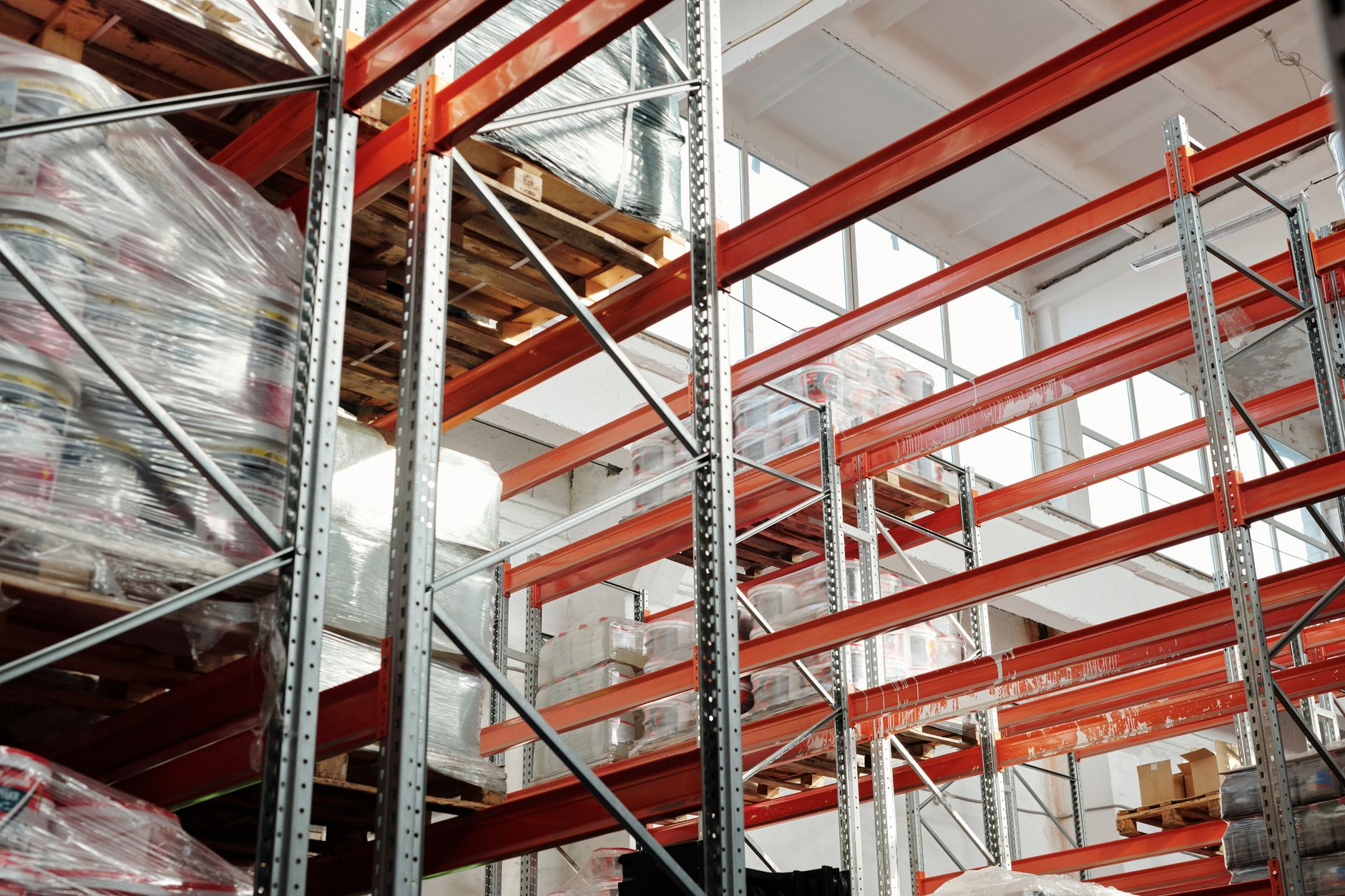
The warehouse sublease market tells the story more plainly than any quarterly earnings call. Companies that locked into long-term industrial leases during the frenzy are now trying to offload space they no longer need, listing it at discounted rates and, in many cases, struggling to find takers. The volume of available sublease space in major distribution corridors remains well above historical averages, even as direct vacancy rates begin to tick up in markets that saw some of the heaviest development activity.
The correction is not over.
Why the Sublease Inventory Keeps Growing
The mechanics behind the sublease buildup are straightforward. When a company takes on a five- or ten-year warehouse lease and then finds its inventory needs shrinking, it cannot simply hand the space back to the landlord. Instead, it shops the space on the sublease market, often at rates below what it is still obligated to pay its landlord. That spread – the gap between what the original tenant pays and what it can recover through a sublease – becomes a direct drag on margins, and it accumulates quietly across corporate balance sheets until someone starts paying attention.
Several categories of tenants are driving the current availability. Large e-commerce players who over-indexed on next-day fulfillment infrastructure built out distribution footprints that no longer match their actual order volumes. Third-party logistics providers who signed long-term leases expecting continued outsourcing growth are also sitting on excess capacity. And import-heavy retailers, particularly in home goods and consumer electronics, are working through inventory normalization cycles that have stretched longer than most expected when they first began unwinding pandemic-era stockpiles.
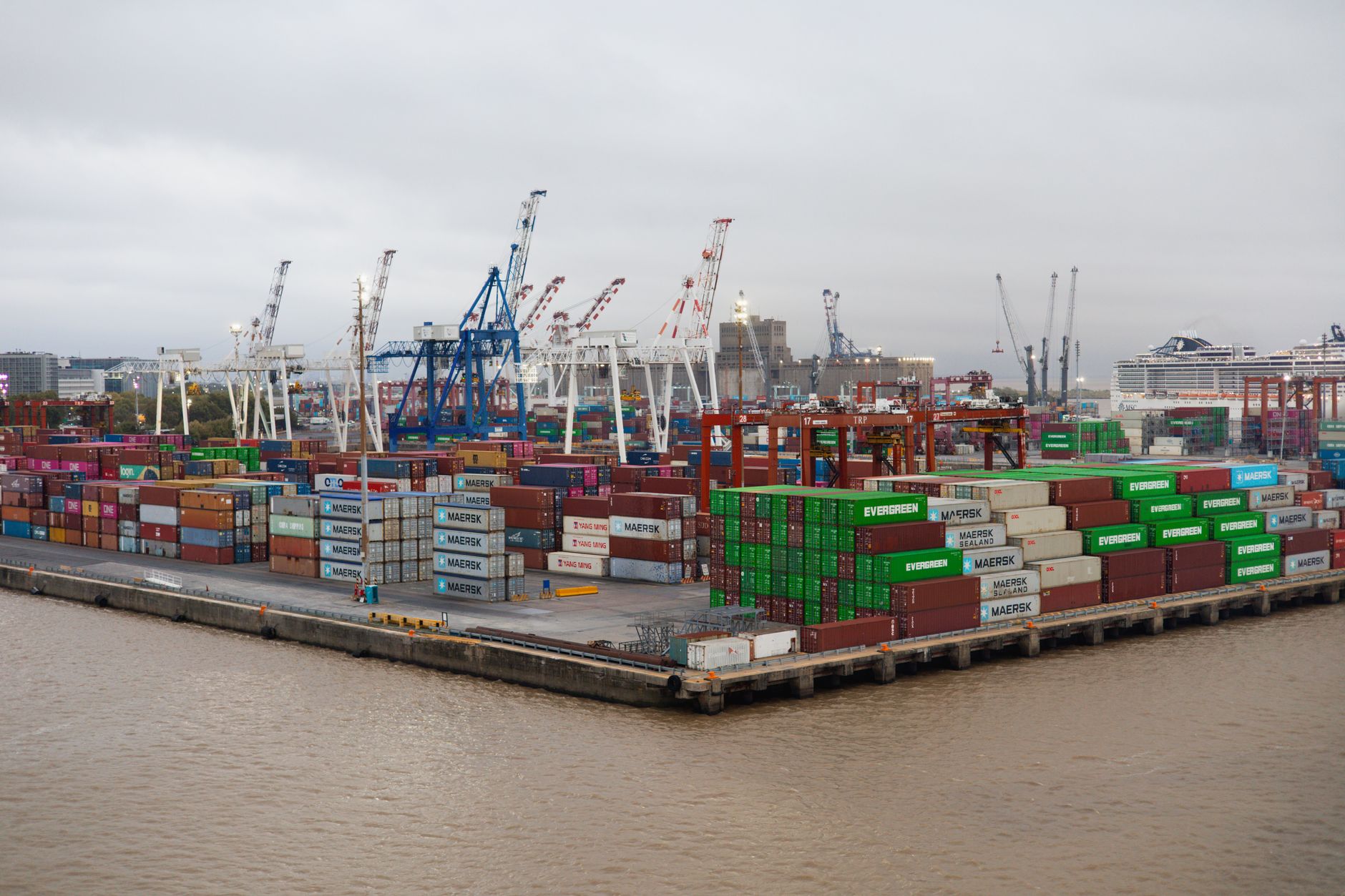
The geographic concentration matters here. Markets like the Inland Empire in Southern California, the Chicago metro, and the Dallas-Fort Worth corridor absorbed enormous amounts of new industrial development between 2020 and 2023. Those same markets are now showing the highest concentrations of sublease availability. When a market that was running near zero vacancy suddenly has several million square feet of sublease space competing with newly built direct listings, it reshapes the entire pricing dynamic for landlords and new tenants alike.
What the Pricing Signal Actually Means
Sublease space typically prices at a discount to direct space, and the size of that discount reflects how urgently the original tenant needs relief. When discounts widen – and they have been widening in several major markets – it creates a floor problem for the entire industrial leasing sector. A prospective tenant who can get comparable space at 15 to 20 percent below direct asking rents through a sublease has little incentive to sign a new deal at full market rates. That competitive pressure eventually forces landlords to adjust asking rents on direct space, which is exactly what is beginning to happen in the most oversupplied markets.
This dynamic is worth watching closely because industrial real estate had been one of the strongest-performing commercial property sectors for more than a decade, riding the e-commerce growth wave with low vacancies and rapidly rising rents. The current correction is not a collapse, but it is a meaningful repricing of expectations. Developers who underwrote new projects at peak rent assumptions are finding lease-up timelines stretched, and some speculative projects that broke ground in 2022 and 2023 are delivering into markets that look very different from the ones that justified those investment decisions.
The inventory correction at the root of all this – the actual reduction in goods stockpiled across supply chains – has moved more slowly than most logistics and retail executives projected. Consumer spending patterns have been uneven, import flows have responded to tariff concerns with periodic front-loading that temporarily inflates warehouse demand, and companies have found it harder to exit long-term leases than they anticipated. The result is an industrial real estate market that is doing something it rarely did during the previous decade: forcing tenants and investors to reckon with the consequences of decisions made under conditions of extreme uncertainty.
The lithium glut story offers a parallel structure – a sector that built out capacity ahead of demand projections that proved too optimistic, then spent years working through the overhang as buyers stayed cautious.

Where This Leaves the Market
The most telling indicator going forward will not be the headline vacancy rate, which still looks manageable in many markets because new supply deliveries have started slowing. It will be the sublease absorption rate – how quickly the available sublease inventory actually gets leased, at what price, and by whom. A sublease market that clears quickly signals genuine demand recovery underneath the surface noise. One that sits, with listings refreshing and discounts deepening, signals that the inventory correction still has significant distance to travel before the industrial sector finds a stable floor. Several major markets, as of mid-2025, still look more like the latter than the former.