



Warehouses that once commanded top-dollar rents during the e-commerce surge are now sitting empty, and the tenants holding those leases are racing to offload them. The industrial real estate market, which spent the better part of three years as the hottest corner of commercial property, is showing clear signs of cooling – not through dramatic lease terminations, but through a quieter and more telling signal: a rising volume of sublease listings flooding major logistics corridors across the country.
Sublease activity in industrial real estate is a lagging indicator by nature. Companies sign long-term warehouse leases during periods of growth, then find themselves locked into obligations that no longer match their operational footprint. When those companies start advertising their excess space to other tenants rather than absorbing the cost internally, it means the overcorrection has already happened – inventory has been right-sized, expansion plans have been shelved, and the lease is now a liability rather than an asset.
The wave hitting industrial real estate now is different in character from typical market softness.
Where the Glut Is Building
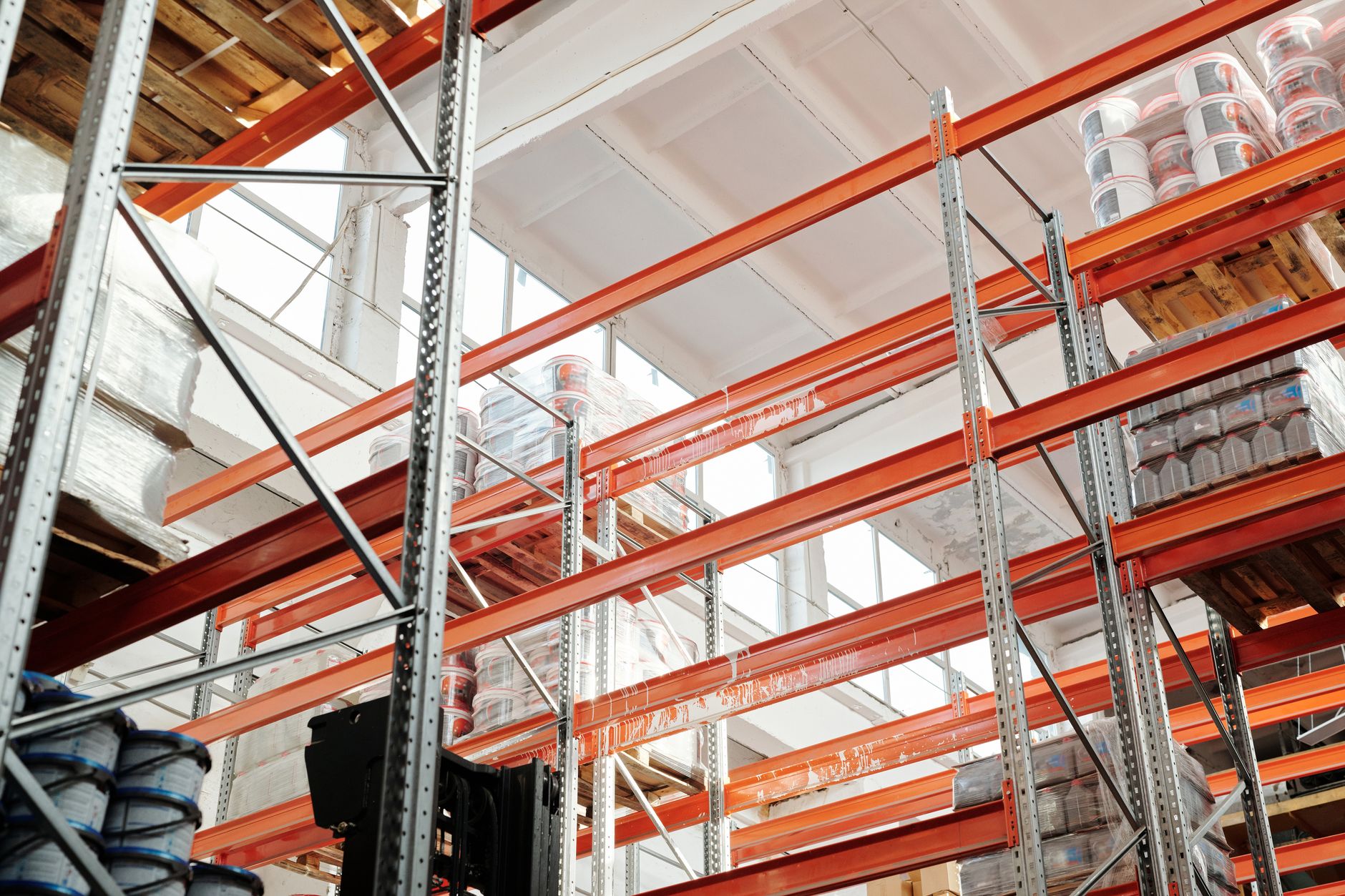
The sublease surge is most visible in markets that boomed hardest during the pandemic-era logistics frenzy. Inland Empire in Southern California, the Lehigh Valley in Pennsylvania, and the Dallas-Fort Worth Metroplex are all seeing elevated availability of sublease space in large-format distribution centers – the 500,000-square-foot-and-up category that major retailers and third-party logistics providers favor. These weren’t speculative builds. They were purpose-leased facilities tied to ambitious inventory expansion strategies that the post-2022 demand environment simply couldn’t support.
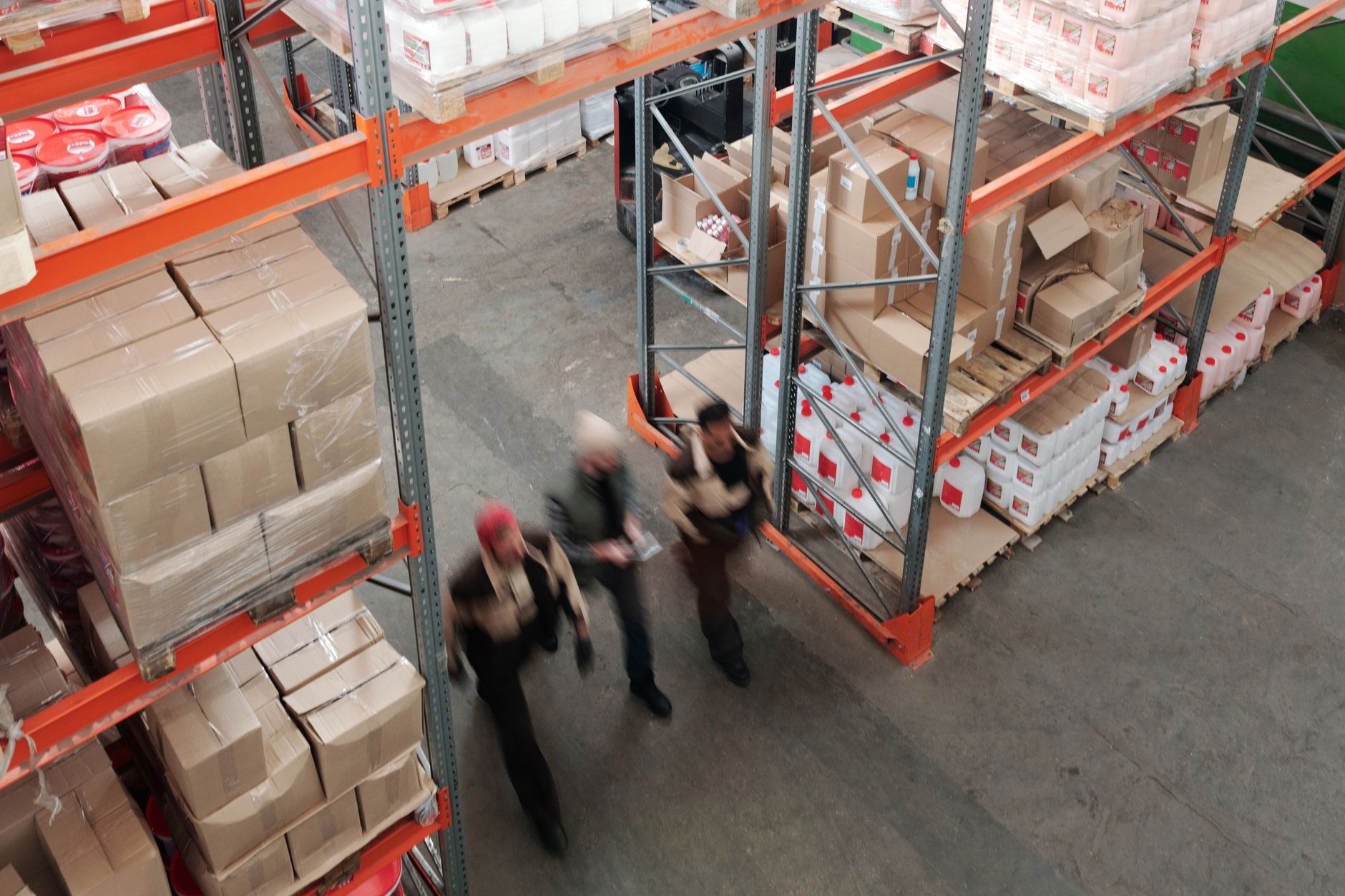
Retailers were the first to pull back. After spending 2020 and 2021 hoarding inventory to guard against supply chain disruptions, many found themselves with years of buffer stock sitting in facilities they could no longer justify. The math of carrying excess warehouse space – rent, insurance, utilities, security, staffing overhead – compounds quickly when the square footage isn’t turning product. Subleasing became the most practical exit when lease break clauses weren’t available or carried prohibitive penalties.
Third-party logistics companies, or 3PLs, are now in an awkward middle position. They leased space aggressively to meet retailer demand, then got squeezed when those same retailers pulled back fulfillment contracts. Some 3PLs are sitting on multi-year leases for facilities that are operating well below capacity, and the sublease market has become their only viable cost-recovery mechanism. Tariff-related stockpiling earlier this year created a brief spike in demand, but that activity has not produced sustained lease commitments – mostly short-term storage arrangements that don’t fill the structural gap.
What Landlords Are Facing
Industrial landlords enjoyed an extraordinary run. Vacancy rates in many top-tier logistics markets dropped below 3 percent at the peak, and asking rents nearly doubled in some corridors between 2020 and 2023. The assumption baked into new development pipelines was that demand elasticity had permanently shifted upward. That assumption is now under pressure. Available sublease space competes directly with landlord-controlled listings, and sublease space almost always comes at a discount – tenants who are subleasing are trying to recover costs, not generate returns, which means they will undercut market rates to move the space.
This creates a pricing dynamic that landlords cannot easily counteract. When a building owner sets asking rent at $12 per square foot and a sublease tenant in the same submarket is advertising comparable space at $9, prospective tenants have a straightforward choice. The gap between headline rents and effective transaction rents is widening as a result, and properties sitting on the market longer are forcing landlords to offer concessions – free rent periods, tenant improvement allowances, flexible lease terms – that erode the economics of industrial assets.
New construction is still coming online in many markets because projects begun during the 2021-2022 frenzy have multi-year build timelines. That pipeline adds more direct vacancy to a market already being softened by sublease availability. Some developers have responded by pausing groundbreakings and waiting for absorption to catch up, but the space already under construction will continue to deliver into an increasingly competitive leasing environment through 2025 and into 2026.
The Demand Side Hasn’t Collapsed – But It Has Recalibrated
Industrial real estate isn’t facing the kind of existential demand crisis that office markets are navigating. E-commerce continues to grow as a share of retail, last-mile logistics still requires physical distribution infrastructure, and domestic manufacturing investment – driven by reshoring activity in semiconductors, pharmaceuticals, and electric vehicle supply chains – is generating genuine new demand for industrial space in select markets. The problem isn’t that demand disappeared. It’s that the market built and leased as if the 2021 peak rate of growth was the new baseline, and it wasn’t.
The tenants actively looking for industrial space right now are more sophisticated negotiators than the 2021 cohort. They have options. Sublease space, new direct landlord space, and second-generation space from move-outs all compete for the same pool of prospects. Lease terms are getting shorter, requirements for buildout flexibility are increasing, and tenants are pushing hard on rent escalation clauses that landlords once inserted with minimal pushback. The negotiating table has rotated.
Smaller industrial users – light manufacturing, regional distributors, specialty food and beverage producers – are finding opportunities in this environment that would have been unavailable eighteen months ago. Mid-bay industrial space in the 20,000 to 100,000 square foot range, which serves this segment, is seeing somewhat different dynamics than the mega-warehouse category, but the general softening in asking rents and landlord flexibility is touching nearly all size segments.
The most telling pressure point going forward will be lease renewal season for 2024 and 2025 signings made at peak rents. When those tenants reach renewal windows, many will have the leverage to demand resets that reflect current market conditions – and landlords who refuse risk losing occupants to the growing pool of competing options. For industrial REITs and private equity owners who underwrote acquisitions at compressed cap rates during the peak, that conversation is going to be uncomfortable.
Frequently Asked Questions
Why are so many companies subleasing warehouse space right now?
Companies that signed long-term leases during the 2020-2022 logistics boom are now holding more space than they need after pulling back inventory expansion plans, making subleasing the most practical way to offset costs.
How does sublease space affect industrial real estate landlords?
Sublease space competes directly with landlord listings at a discount, widening the gap between asking rents and actual transaction rents and forcing landlords to offer concessions to attract tenants.