





Water bills are climbing faster than most household expenses, and the pressure behind those increases is structural – not temporary. Across the country, water utilities are confronting a collision of aging pipes, deferred maintenance, and borrowing costs that have made the status quo financially untenable.
The Infrastructure Debt Beneath Your Feet
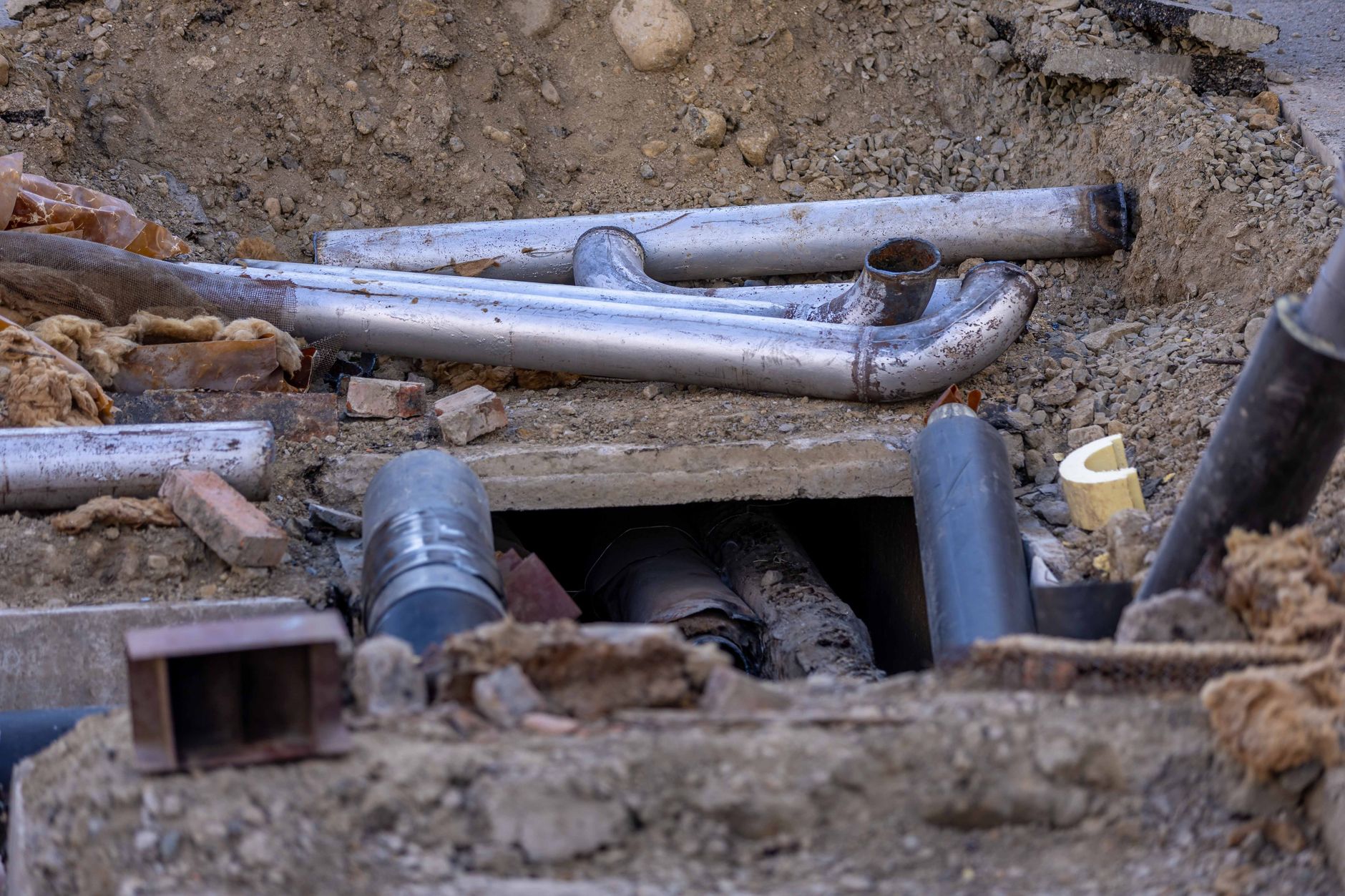
Most of America’s water infrastructure was built in the mid-20th century, designed for a lifespan of roughly 75 to 100 years. That lifespan is expiring now, all at once, across thousands of municipalities simultaneously. The American Society of Civil Engineers has long flagged water systems as among the most underfunded categories of public infrastructure, and the gap between what’s needed and what’s been spent has widened with each passing decade of deferred work.
Water main breaks occur with increasing frequency in older cities – sometimes multiple times per week in a single metro area – wasting millions of gallons and requiring emergency repairs that cost far more than planned maintenance would have. Chicago, Philadelphia, and Detroit have each faced years of high-profile pipe failures, but the problem extends well beyond those headlines into smaller cities and rural water districts where the financial resources to respond are even thinner. When a main bursts under a major road, utilities don’t just pay for the pipe. They pay for traffic management, road restoration, liability exposure, and emergency labor rates.
The debt load carrying all of this work has become its own problem. Municipal water utilities have borrowed aggressively over the past decade to fund capital projects, and as interest rates rose sharply starting in 2022, the cost of carrying that debt increased significantly. New bond issuances now come at rates that would have seemed punishing five years ago, and many utilities are rolling over older debt at substantially higher costs. Those debt service obligations feed directly into rate structures – customers pay not just for the infrastructure work itself, but for the financing cost stacked on top of it.
The federal Bipartisan Infrastructure Law included billions for water system upgrades, and some utilities have accessed those funds. But federal dollars come with compliance requirements, project timelines, and matching fund expectations that smaller utilities struggle to meet. The result is that wealthier systems in larger cities are often better positioned to capture grant and loan programs, while the smallest and most financially stressed utilities – which frequently serve lower-income communities – fall further behind. Similar dynamics are playing out across other essential goods, where the cost gap between well-resourced and under-resourced communities keeps widening.
Rate Hikes Are Accelerating, Not Stabilizing
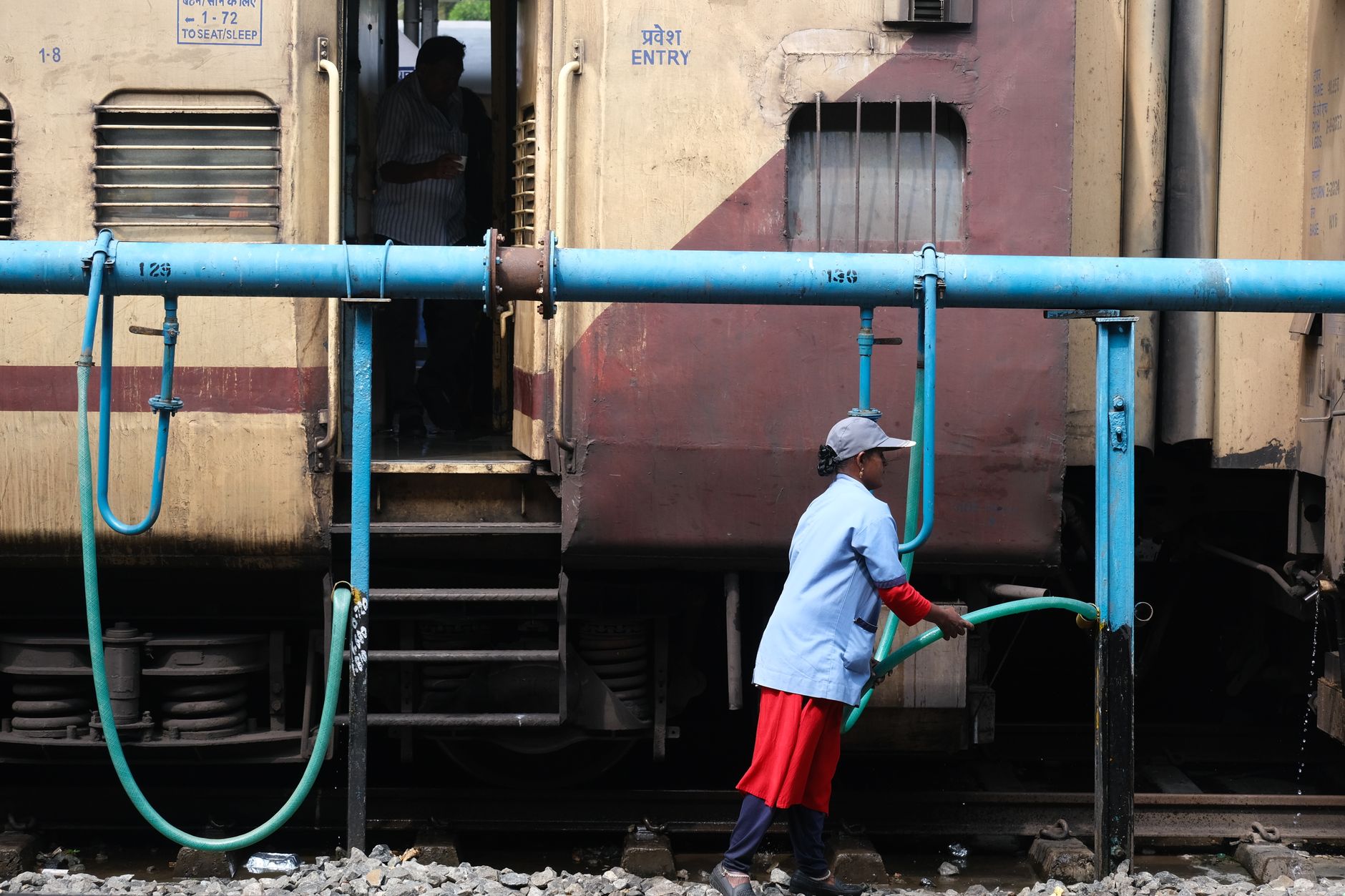
Water rate increases have outpaced general inflation for most of the past 15 years, but the pace has noticeably quickened since 2022. Many utilities are filing for double-digit percentage increases in a single rate case – something that would have been politically untenable a decade ago. State utility commissions, which must approve rate changes for regulated water systems, are approving more of these requests than they reject, because the financial documentation behind the filings is increasingly hard to argue with. Pipes are failing. Compliance deadlines are real. Debt service is fixed.
The political difficulty of raising water rates has historically kept increases artificially low. Water is not a discretionary service – no household can opt out – and elected officials who appoint or oversee utility boards have long resisted increases that would draw constituent complaints. That political suppression of rates is now colliding with a financial wall. Systems that held rates flat for years while deferring capital work now face a compounding problem: they need to raise rates dramatically just to get current, and then raise them again to fund ongoing work, all while carrying the debt accumulated during the deferral period.
Low-income households bear a disproportionate share of the pain. Water costs as a percentage of household income are already highest for the poorest customers, and rapid rate increases push more families into what researchers classify as water affordability stress – a threshold generally defined as spending more than 2% of household income on water and sewer service. Some cities have implemented tiered rate structures, low-income discount programs, or payment assistance funds, but these programs are inconsistently funded and often reach only a fraction of eligible households.
The commercial and industrial side of the ledger adds another layer. Large water users – manufacturers, food processors, data centers – consume enormous volumes and have historically benefited from volume pricing that kept their per-gallon costs low. As utilities restructure rate cases to generate more revenue, some are rebalancing rate structures in ways that increase costs for industrial users, which then pass those costs through to the goods and services they produce. A food processing facility that pays significantly more for water will factor that into product pricing, contributing to food cost inflation in ways that rarely get traced back to the water bill.
Some utilities are exploring alternative financing tools – public-private partnerships, green bonds, infrastructure investment funds – to reduce reliance on traditional municipal borrowing. Private equity interest in water utilities has grown as the asset class has attracted attention for its stable, non-cyclical revenue. That interest is not without controversy: privately operated water systems have faced criticism in multiple states for prioritizing shareholder returns over infrastructure investment, raising rates without commensurate service improvements. The track record is genuinely mixed, and the debate over public versus private water management is intensifying in city councils and state legislatures across the country.
What Rate Payers Should Watch
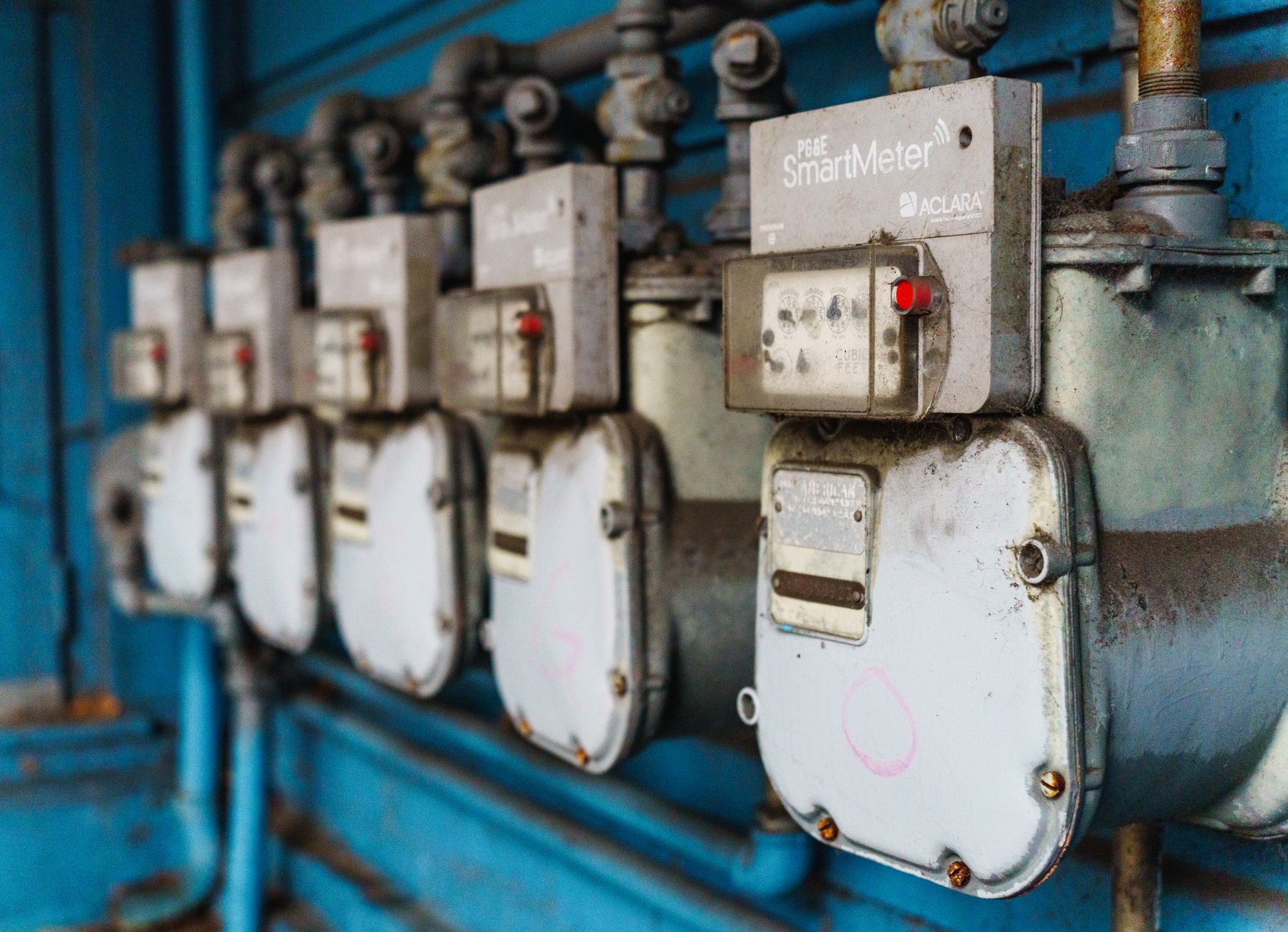
For homeowners and renters, the practical implication is that water costs should now be treated as a variable and growing line item rather than a stable background expense. Rate cases are public proceedings in most states – utility commissions post filings, hold hearings, and accept public comment before approving increases. Most customers never engage with this process, which means utilities face limited resistance at the regulatory level from the people who will ultimately pay the approved rates.
The harder question is whether the rate increases now moving through utility systems are adequate to actually solve the problem, or whether they are simply enough to keep systems from failing immediately while the long-term debt continues to compound. Some utilities are raising rates substantially but still not generating enough revenue to fully fund their capital improvement plans on schedule. That gap between what’s needed and what rate increases can realistically deliver – without triggering serious affordability crises – is the pressure point that no amount of rate restructuring has yet resolved.