




Seasonal Hiring Is Broken Before Summer Even Starts
Every spring, resort towns, fishing operations, amusement parks, and agricultural businesses race to staff up before peak season arrives. For decades, many of those businesses leaned heavily on temporary foreign workers – people arriving on H-2B and H-2A visas to fill roles that domestic applicants rarely pursue. This year, that pipeline is moving slower than usual, and the businesses waiting on it are running out of time.
Processing delays at U.S. Citizenship and Immigration Services, compounded by stricter documentation reviews and consular appointment backlogs in several countries, have pushed visa timelines well past the point where workers can realistically arrive before June. For some operators, that means opening weekends without full staff. For others, it means not opening certain services at all.
The timing could not be worse for industries that compress most of their annual revenue into a three-month window.
Who Gets Hit First
The H-2B visa program, which covers temporary non-agricultural workers, has a statutory cap of 66,000 visas per fiscal year split between two halves. Demand routinely exceeds that cap within days of petitions opening, leaving businesses that miss the lottery scrambling for the returning-worker exemption or filing through secondary pathways that carry their own processing timelines. When those timelines stretch into late spring or early summer, the math stops working for any business that opens Memorial Day weekend.
Landscaping companies, seafood processors, hotels along coastal and mountain corridors, and outdoor recreation operators are among the sectors most exposed. A mid-Atlantic seafood company processing blue crab or oysters cannot delay operations waiting for a crew – the product has its own schedule. A resort in a ski-turned-summer-destination cannot run housekeeping at half capacity without directly cutting the number of bookable rooms. The revenue loss is not abstract; it is specific, dated, and non-recoverable because the season closes regardless.
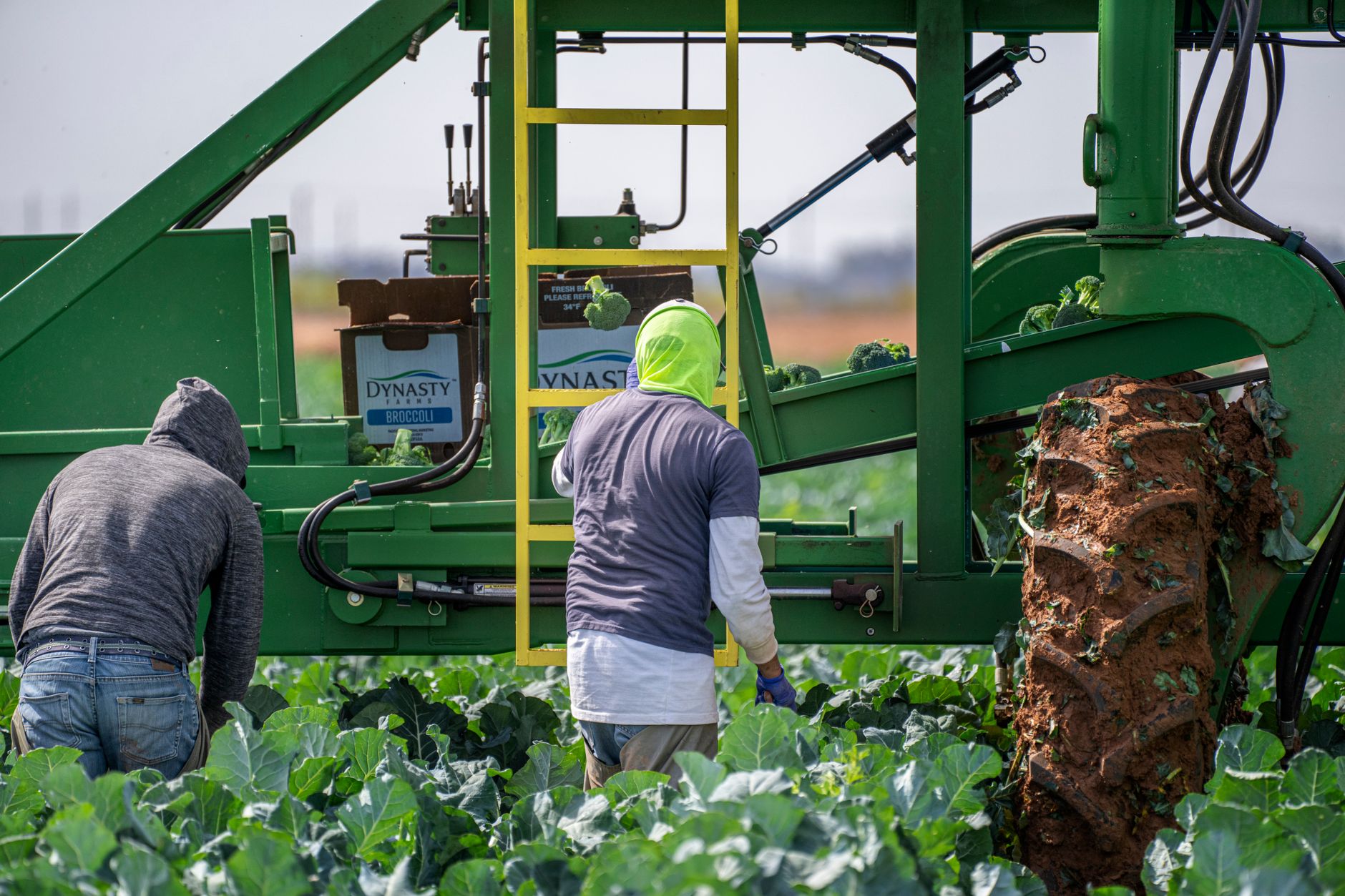
Agricultural operations covered under the separate H-2A visa program face a related but distinct version of this problem. H-2A visas are uncapped, which sounds like an advantage, but processing timelines and consular appointment availability have created effective delays that land at similar pressure points. A crop does not wait for a cleared background check.
Why the Delays Are Happening Now
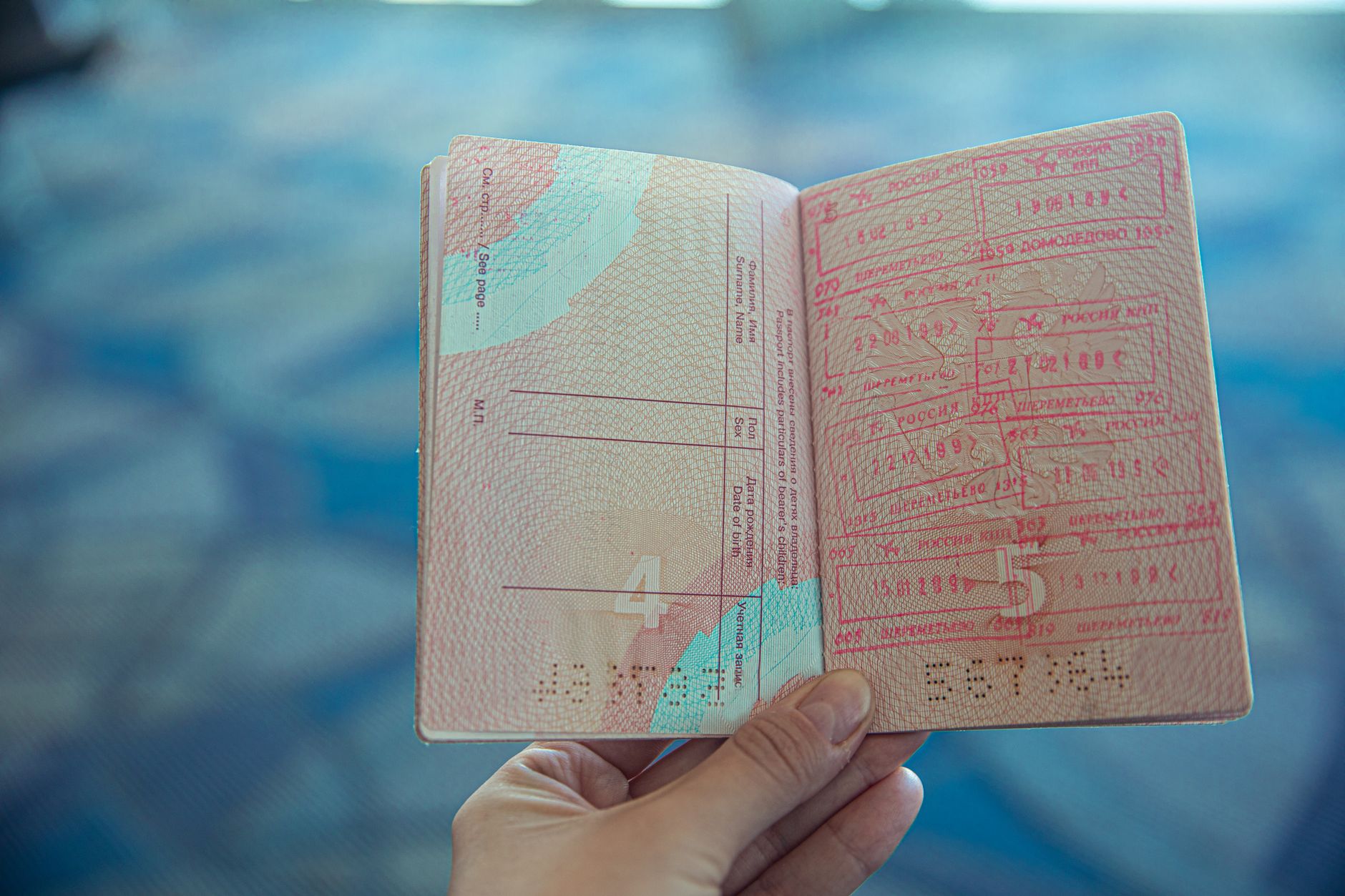
Several factors are converging this cycle. Staffing reductions at federal agencies responsible for processing immigration applications have slowed review throughput. Consulates in countries that historically supply large numbers of seasonal workers – Mexico, Jamaica, Guatemala, and several Central American nations – are managing appointment backlogs that in some cases stretch months out. Employers who filed early are still watching approval windows slide past the dates they listed on their petitions.
There is also a documentation burden question. Employers filing H-2B petitions are required to demonstrate genuine recruitment efforts targeting domestic workers before a foreign worker petition is approved. That process has always involved some friction, but businesses report the evidentiary threshold feeling more demanding this cycle – requiring more detailed records of outreach, wages offered, and rejection reasons. Whether that reflects a policy shift or inconsistent application across regional offices, the practical effect is added delay.
Domestic recruitment is not a viable substitute at scale for most of these industries. The jobs are geographically specific, often in rural or remote areas, and the wages – while federally regulated to prevailing rates for H-2 workers – do not reliably attract enough local applicants to fill seasonal rosters. Businesses that have tried domestic-only hiring seasons describe high no-show rates, early departures, and difficulty maintaining continuity across a full summer.
What Operators Are Left Doing
Some businesses are absorbing the shortfall by cutting services, reducing operating hours, or pulling back room inventory at hotels. Others are offering signing bonuses and higher base wages to compete for the domestic applicants who do apply. A growing number of operators in industries like landscaping and hospitality are exploring subcontracting arrangements or renegotiating service contracts with clients to build in flexibility on delivery timelines. None of these are solutions so much as workarounds with their own costs.
The workers who do arrive late – cleared and approved but weeks behind schedule – often find themselves dropped into an operation already improvising around their absence. Training time gets compressed, mistakes increase, and the workers themselves bear the pressure of being expected to perform at full speed immediately after a long and uncertain wait in their home countries. It strains worker retention across the season, which creates a secondary problem: businesses that lose H-2 workers mid-season have very limited recourse for replacement.
Longer-term, repeated visa uncertainty is starting to push some seasonal businesses into conversations about whether their operating models are sustainable at all. A fishing lodge or summer camp that cannot reliably staff its kitchen or its bunkhouses two years running begins making different decisions about investment, expansion, and whether to stay open at all. Those decisions ripple outward into the local economies – often small, rural, and heavily dependent on seasonal hospitality revenue – that host them. The kind of backlog-driven economic damage that hits workers and employers simultaneously is rarely recovered in a single season.
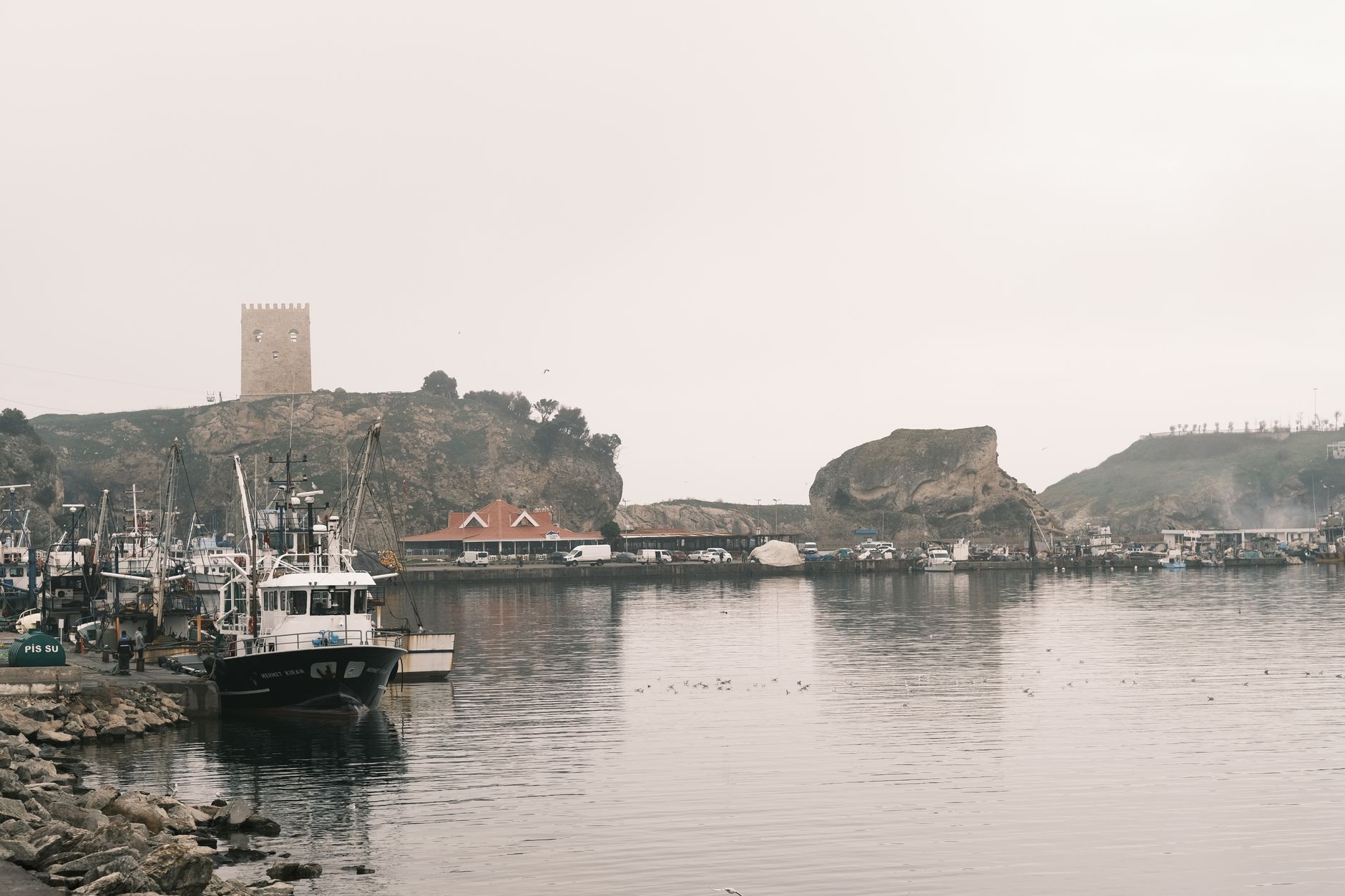
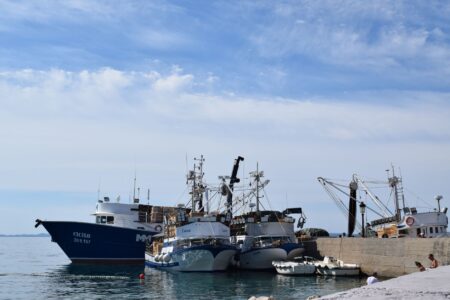
A fishing operation in coastal Maine that cannot get its crew certified and on the water by the first week of June does not get that week back – the quota moves, the market price shifts, and the summer calculates itself without them. That is the version of this story playing out in dozens of industries right now, not as a policy abstraction but as a specific financial loss tied to a specific week on the calendar that has already passed.
Frequently Asked Questions
What is causing H-2B visa delays in 2025?
A combination of federal agency staffing reductions, consular appointment backlogs in key source countries, and heavier documentation requirements for employer petitions are pushing processing timelines past peak hiring dates.
Which industries are most affected by seasonal visa slowdowns?
Hospitality, landscaping, seafood processing, agricultural operations, and outdoor recreation businesses are among the hardest hit, as they depend on temporary foreign workers to staff roles during a narrow seasonal window.