




Top Stories

A CFPB rule capping credit card late fees at $8 is forcing issuers to rethink revenue models – quietly raising APRs, trimming rewards, and tightening approvals.






Childcare worker wages remain near poverty level as center closures accelerate in rural and low-income areas, draining local labor markets and leaving families without options.

Pension obligation bonds are surging as underfunded public plans borrow to invest, betting market returns will outpace debt costs. The risk calculus is uncomfortable.

Steelworker overtime cuts signal softening industrial output, with flat-rolled steel demand weakening and capacity utilization sliding as order books cool across the sector.

Private credit funds have raised over $1.4 trillion, displacing banks as middle-market companies seek faster, more flexible financing solutions.




Childcare worker wages remain near poverty level as center closures accelerate in rural and low-income areas, draining local labor markets and leaving families without options.
Pension obligation bonds are surging as underfunded public plans borrow to invest, betting market returns will outpace debt costs. The risk calculus is uncomfortable.
Steelworker overtime cuts signal softening industrial output, with flat-rolled steel demand weakening and capacity utilization sliding as order books cool across the sector.
A CFPB rule capping credit card late fees at $8 is forcing issuers to rethink revenue models – quietly raising APRs, trimming rewards, and tightening approvals.

Childcare subsidy cliffs punish mothers for earning more, pushing them to limit part-time hours rather than risk losing thousands in benefits overnight.

States holding Medicaid managed care rates flat are quietly squeezing plan margins as medical cost inflation outpaces capitation payments across multiple markets.
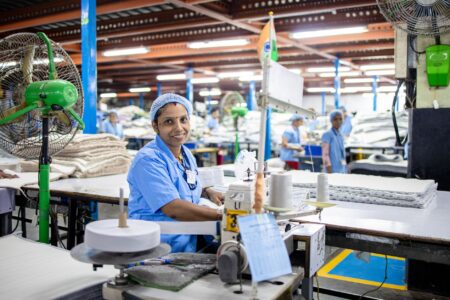
Defense contractor hiring freezes are cascading down to Rust Belt supplier towns, threatening skilled manufacturing jobs and local economies dependent on Pentagon spending.
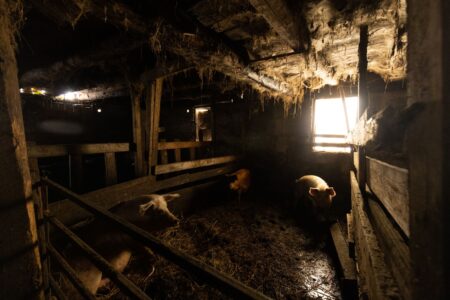
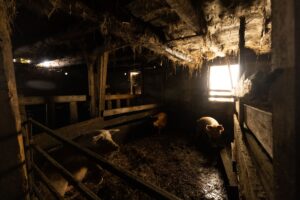
Pork belly futures are swinging sharply as the U.S. hog herd shrinks due to high feed costs and disease pressure, with no supply relief expected until next year.