




The Rush to Stock Up Is Over
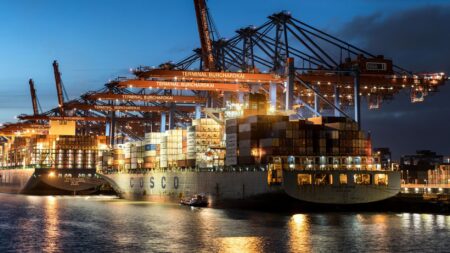
For several months earlier this year, American apparel importers were moving at an almost frantic pace – pulling forward shipments, overfilling warehouses, and cutting deals to secure inventory ahead of what many feared would be a sustained wave of tariff increases. The logic was straightforward: lock in goods before the cost of bringing them into the country jumped significantly. That behavior drove a visible surge in import volumes, particularly from major sourcing hubs in Vietnam, Bangladesh, and Cambodia.
Now that urgency has gone quiet. The 90-day tariff pause that the U.S. government announced in May offered a temporary exhale, but confidence that the reprieve will hold – or lead to any durable trade resolution – is fading faster than the stockpiles importers scrambled to build. What looked like a window of relief is starting to feel more like a holding pattern with no clear exit.

What Drove the Stockpiling Wave
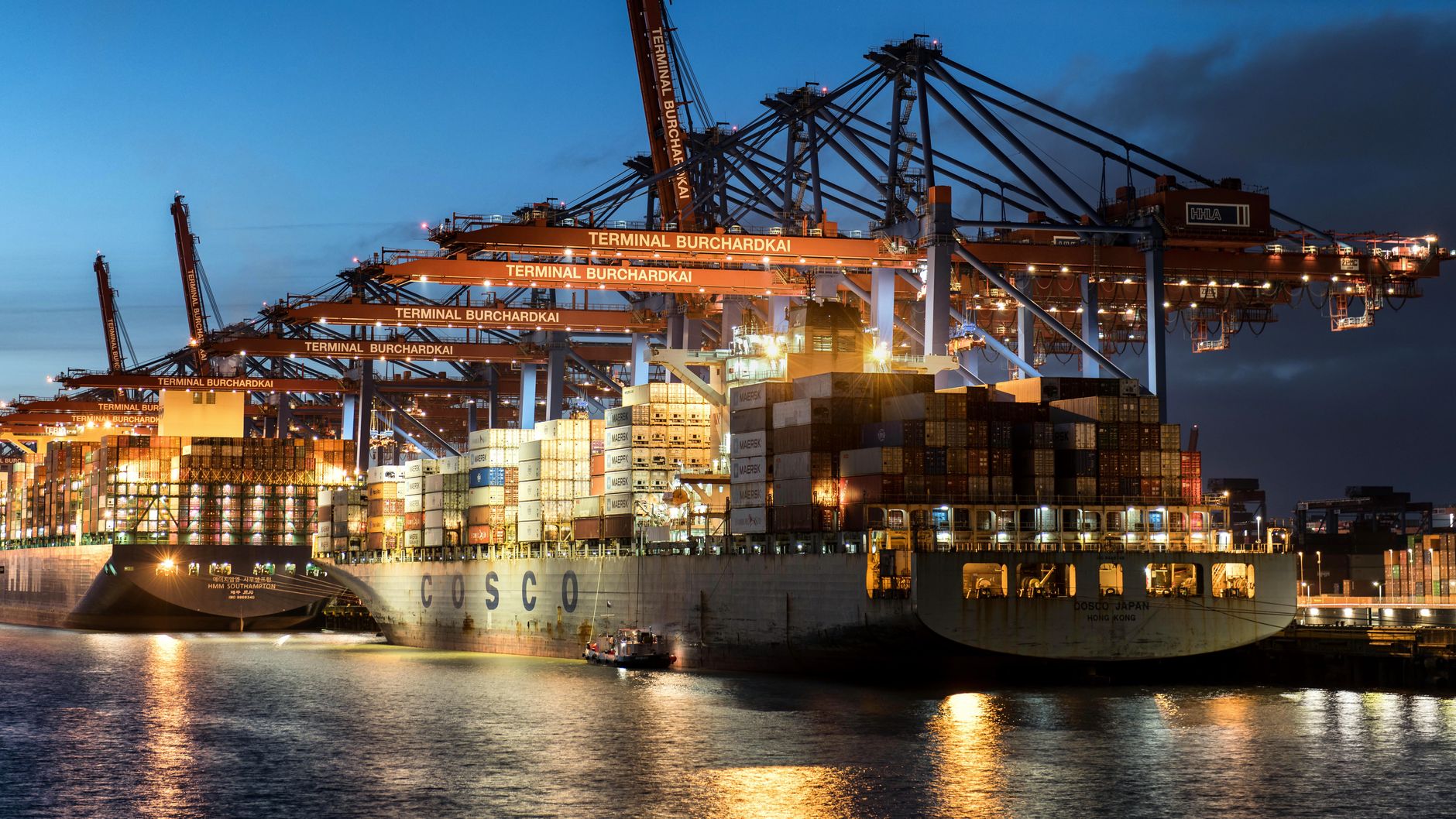
The mechanics of apparel stockpiling are not complicated. When importers anticipate higher costs at the border, they accelerate orders to beat the effective date. The result is a temporary spike in import volumes followed by a sharp correction – a kind of demand borrowing from the future. This cycle played out visibly in early 2025, with U.S. Customs data showing elevated apparel and textile shipment volumes well above seasonal norms during the first quarter.
The behavior was rational given the environment. Tariff rates on goods from several key Asian manufacturing countries had been proposed or implemented at levels that would meaningfully compress margins for brands already operating under significant pricing pressure. For mid-market and value-segment apparel companies, every dollar in duty cost either gets passed to consumers or absorbed into already thin profit structures. Neither outcome is attractive when consumer spending on discretionary goods is showing signs of fatigue.
Some smaller importers, particularly those without the cash reserves or credit lines to build large forward positions, found themselves caught in an awkward middle ground – too small to stockpile aggressively, too exposed to absorb sudden cost spikes. That dynamic has widened the operational gap between large retail chains with diversified sourcing networks and smaller brands that rely heavily on single-country manufacturing relationships. The broader reshoring pressure colliding with weak domestic demand has made that gap even harder to bridge.
Why Confidence in the Pause Is Slipping
The 90-day pause was never a trade deal. It was a delay – and the apparel industry, after months of whiplash, has mostly absorbed that distinction. Importers who read the pause as a signal of de-escalation are now revisiting that assumption. Trade negotiations with major sourcing countries have not produced substantive commitments, and the underlying tariff architecture that triggered the stockpiling panic remains intact. A pause that expires without replacement leaves everyone exactly where they started, minus the inventory buffer they spent the last quarter building.
There is also a sentiment problem that goes beyond the technical trade calendar. Importers are not just reacting to current policy – they are trying to price in the probability of future disruptions. When that probability stays elevated and unpredictable, the rational response is to stop making large forward commitments. That is effectively what is happening: order volumes from key Asian suppliers have softened noticeably in recent weeks, and factory-level production planning is becoming shorter in horizon. A market that was stockpiling six months of inventory is now struggling to commit to six weeks.
The Margin Squeeze Underneath the Headlines
Strip away the trade policy drama and what remains is an apparel sector dealing with a fundamental margin problem that tariff uncertainty has made worse. Freight costs, while down from their pandemic-era peaks, have not returned to pre-2020 norms. Input costs – cotton, synthetic fibers, dye chemicals – remain elevated relative to the pricing environment that existed when most brands set their current retail price points. Adding tariff variability on top of that base pressure creates a compounding effect that is difficult to model and nearly impossible to hedge cleanly.
Retail pricing has not kept pace with cost inflation in apparel. Consumers have proven willing to delay or reduce discretionary clothing purchases when prices rise, which limits how aggressively brands can pass through cost increases. The result is that tariff costs tend to get absorbed somewhere in the supply chain – sometimes at the brand level, sometimes pushed back to manufacturers through renegotiated contracts, and sometimes distributed across both. None of those outcomes are painless, and the current environment makes every sourcing decision feel higher-stakes than it did three years ago.
Larger brands with diversified manufacturing footprints have more flexibility to shift volume between countries to minimize tariff exposure. A company sourcing from Vietnam, Indonesia, Cambodia, and India simultaneously can rebalance allocations as duty rates shift. Smaller brands with concentrated sourcing don’t have that option – they’re essentially subject to whatever rate applies to their one or two primary manufacturing partners. That structural disadvantage is driving some smaller labels to explore nearshoring options in Mexico or Central America, though the cost differential between those regions and South or Southeast Asia remains substantial for labor-intensive apparel categories.
The stockpile itself creates a secondary complication. Importers who moved aggressively to front-load inventory are now sitting on goods that need to clear before new orders make financial sense. If consumer demand stays soft through the back half of the year, that inventory builds pressure on working capital and storage costs. Promotional markdowns to move units faster cut into whatever margin advantage the early import strategy was supposed to protect. The timing risk – building inventory to avoid tariff costs, then watching demand disappoint – is exactly the scenario cautious importers warned about when the stockpiling rush was at its peak.
What comes next depends heavily on whether the U.S. and its major trading partners reach any substantive agreement before the pause window closes – and right now, the trade negotiating calendar offers little clarity on that question. Some apparel sourcing executives are already telling their factory partners to plan for a return to elevated duties. Others are waiting, holding off on major sourcing decisions until the picture sharpens. That paralysis has its own cost: factories in Bangladesh and Vietnam are running at reduced utilization rates as order books thin out, and the production capacity being left idle now will not be easy to quickly restart when – or if – demand signals improve.