



Tariffs Arrive Just as Families Prepare to Spend
Back-to-school shopping typically ranks as the second-largest retail spending season of the year, trailing only the winter holidays. This year, families heading to stores in July and August will encounter something that was not part of last year’s shopping experience: clothing prices that have quietly climbed several notches higher, driven by a new layer of import tariffs on apparel and textiles that took effect earlier this year.
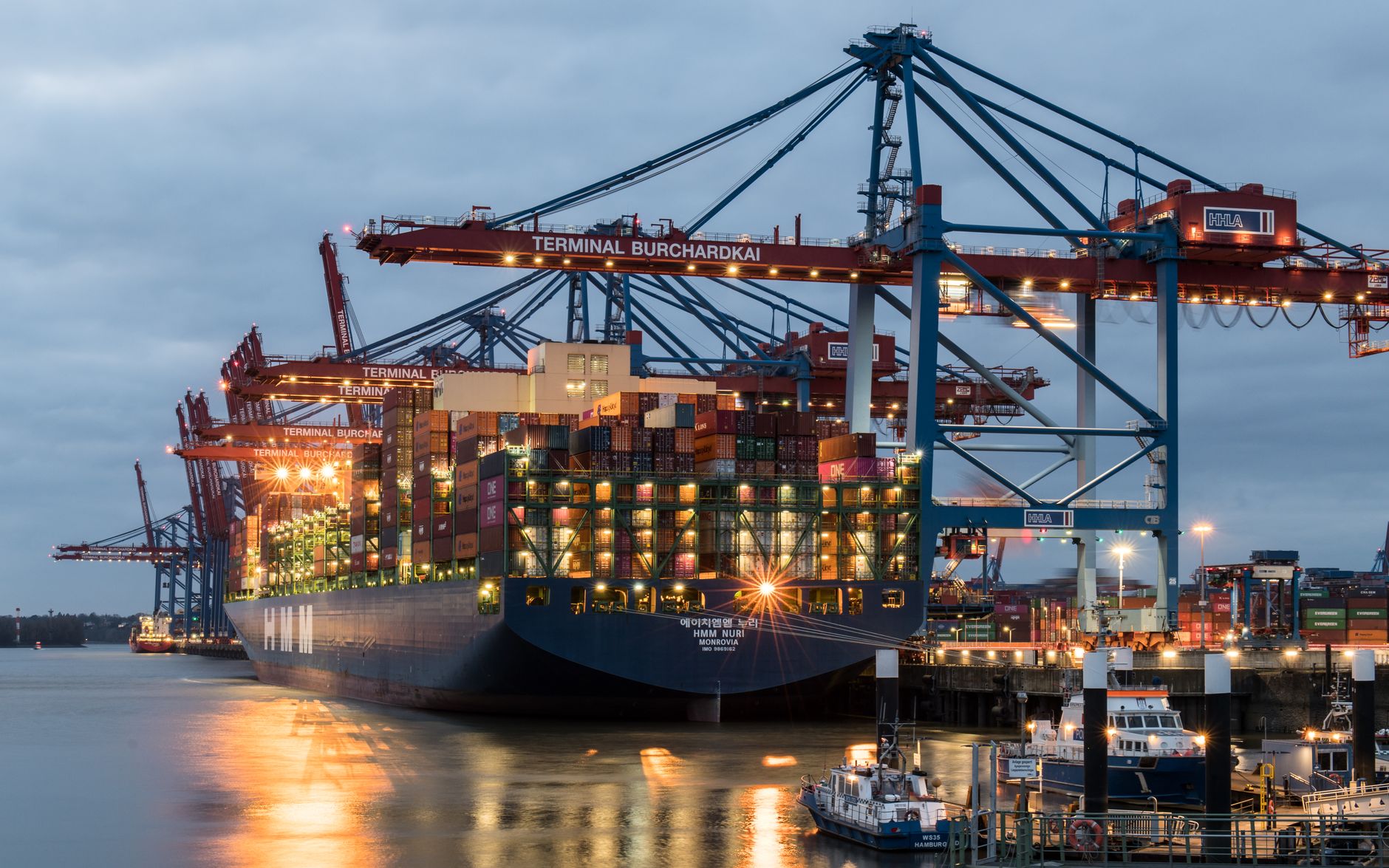
The United States imports the vast majority of its clothing from countries including China, Vietnam, Bangladesh, and Cambodia. When the federal government imposed broad tariffs on goods from those nations – some rates reaching double digits on top of existing duties – the cost of bringing a pair of jeans or a pack of school uniforms into the country rose accordingly. Retailers have now spent months deciding how much of that added cost to absorb internally and how much to pass directly to shoppers.
How Tariffs Move Through the Supply Chain
Clothing has some of the thinnest margins in consumer retail. A garment that costs a few dollars to manufacture overseas travels through import fees, shipping, warehousing, wholesaling, and retail markup before reaching a store shelf. At each step, a business must decide whether it can afford to eat a cost increase or whether the increase will appear in the final price tag. With tariff rates adding a meaningful percentage to the import cost of each item, most mid-size and smaller apparel brands do not have the scale to absorb it quietly.
Large retailers with massive purchasing volume have more room to negotiate with suppliers or shift sourcing to countries facing lower tariff rates. A major chain can demand that a factory in Vietnam reduce its price per unit to partially offset what the retailer will owe in duties at the port. Smaller brands, boutiques, and school uniform suppliers typically lack that negotiating power entirely. The cost lands on them, and then it lands on their customers.
Children’s clothing is a particular pressure point because kids outgrow items quickly, meaning families must replace them regularly regardless of price. A parent buying three pairs of pants and four shirts for a child starting middle school cannot simply defer the purchase the way a consumer might delay buying a new jacket for themselves. That inelastic demand is part of why the back-to-school season has become the flashpoint where tariff effects will be most visibly felt by everyday households.
Where the Price Increases Are Showing Up
The most immediate signs are appearing at the value end of the market. Budget-tier retailers that built their entire appeal around low prices now face a structurally harder task holding those price points. When the cost of a $12 children’s T-shirt rises by even $1.50 at the import stage, that represents a substantial percentage increase on an already thin-margin product. Some of those retailers have quietly raised shelf prices, while others have reduced pack sizes or cut fabric quality to preserve the dollar amount on the tag.
Premium and mid-range brands have more cover. A $65 school polo can absorb a $4 tariff-related increase with less consumer outcry than a $12 polo jumping to $15. This creates an ironic dynamic where the families with the least disposable income – who rely most heavily on value retail for back-to-school clothing – are feeling the proportional impact most sharply. Households already stretched by broader economic pressures find that their usual shopping strategies produce smaller hauls for the same dollar amount.
The Sourcing Scramble That Did Not Fully Materialize
When tariffs on Chinese goods first escalated during the trade disputes of the late 2010s, the apparel industry began a slow migration toward sourcing from Vietnam, Bangladesh, and Cambodia. The assumption was that spreading production across more countries would reduce vulnerability to any single tariff. The current round of tariffs applied broadly enough across Asian manufacturing hubs that the diversification strategy provided less relief than expected.
Some brands are now looking harder at nearshoring – producing in Central America or even domestically – but clothing manufacturing requires specialized labor, machinery, and supply chains that cannot be relocated in a single season or even a single year. The back-to-school 2025 inventory sitting in warehouses right now was ordered months ago, manufactured overseas, and shipped before most retailers had firm clarity on final tariff rates. What is on the shelves this August was essentially locked in before the full pricing picture became clear.
That timing gap matters. Retailers set prices based on what they thought costs would be, then refined those numbers as shipments arrived and duty bills came in. In some cases, the final landed cost of a product was higher than the initial estimate, leaving retailers to choose between thin-to-negative margins and last-minute price changes on items already tagged and displayed. Neither option is comfortable, and the operational friction of repricing inventory mid-season is visible in the uneven price moves across different product categories in the same store.
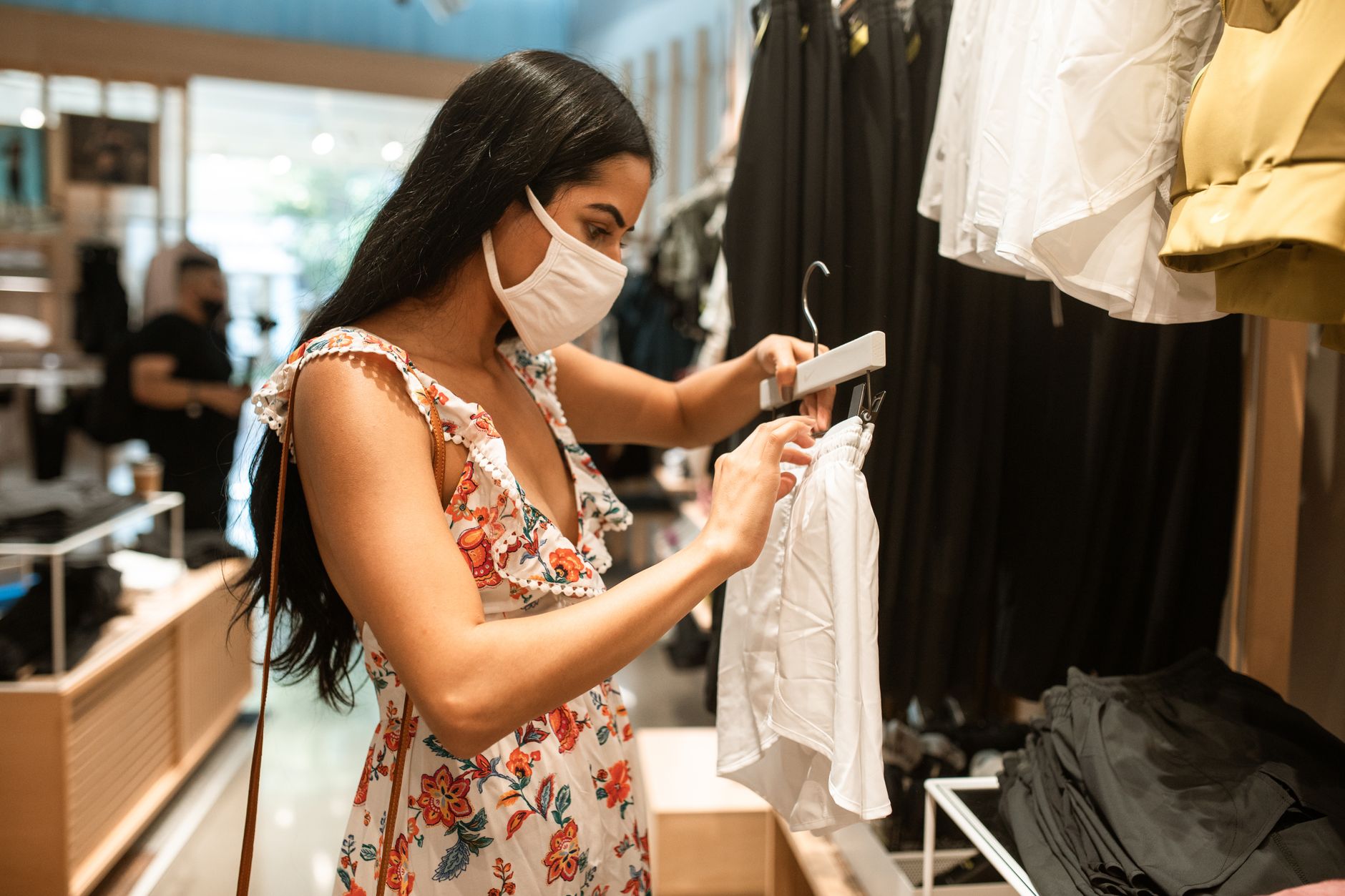
Denim has absorbed some of the steepest increases because of its heavy reliance on Asian production and the raw material costs associated with cotton weaving. Activewear – already popular for school dress codes that have loosened over the years – is also seeing upward pressure because synthetic fabrics used in leggings and athletic tops involve petrochemical inputs as well as labor and import costs. The parent standing in the athletic wear aisle in late July, doing the math on how many pieces fit in the budget, is the final stop in a cost chain that started at a port and ran through every layer of commerce between there and the checkout line.
Frequently Asked Questions
How much are apparel tariffs raising clothing prices?
The increase varies by product and retailer, but tariff rates on imported clothing from major manufacturing countries have added meaningful percentage increases to landed costs, which retailers are partially or fully passing to consumers.
Which types of clothing are seeing the biggest price increases?
Denim and activewear are among the most affected categories due to their heavy reliance on Asian manufacturing and raw material costs, making them notable pressure points for back-to-school shoppers.