





A Policy Gap Hidden in Plain Sight
When the White House rolled out its sweeping tariff framework targeting agricultural imports, eggs were supposed to be no exception. The administration’s stated goal was straightforward: protect American producers, reduce dependence on foreign supply chains, and use trade pressure as a negotiating tool. What followed instead was a patchwork of carve-outs, exemptions, and regulatory language so narrow it bordered on invisible – quietly reshaping how egg imports actually flow into the country.
The exemptions themselves are not secret. They appear in Federal Register notices and agency guidance documents, accessible to anyone willing to read the fine print. But “accessible” and “noticed” are different things. The practical effect of these exemptions has slipped past most public commentary, even as they alter the economics for importers, domestic producers, and the grocery retailers caught between them.
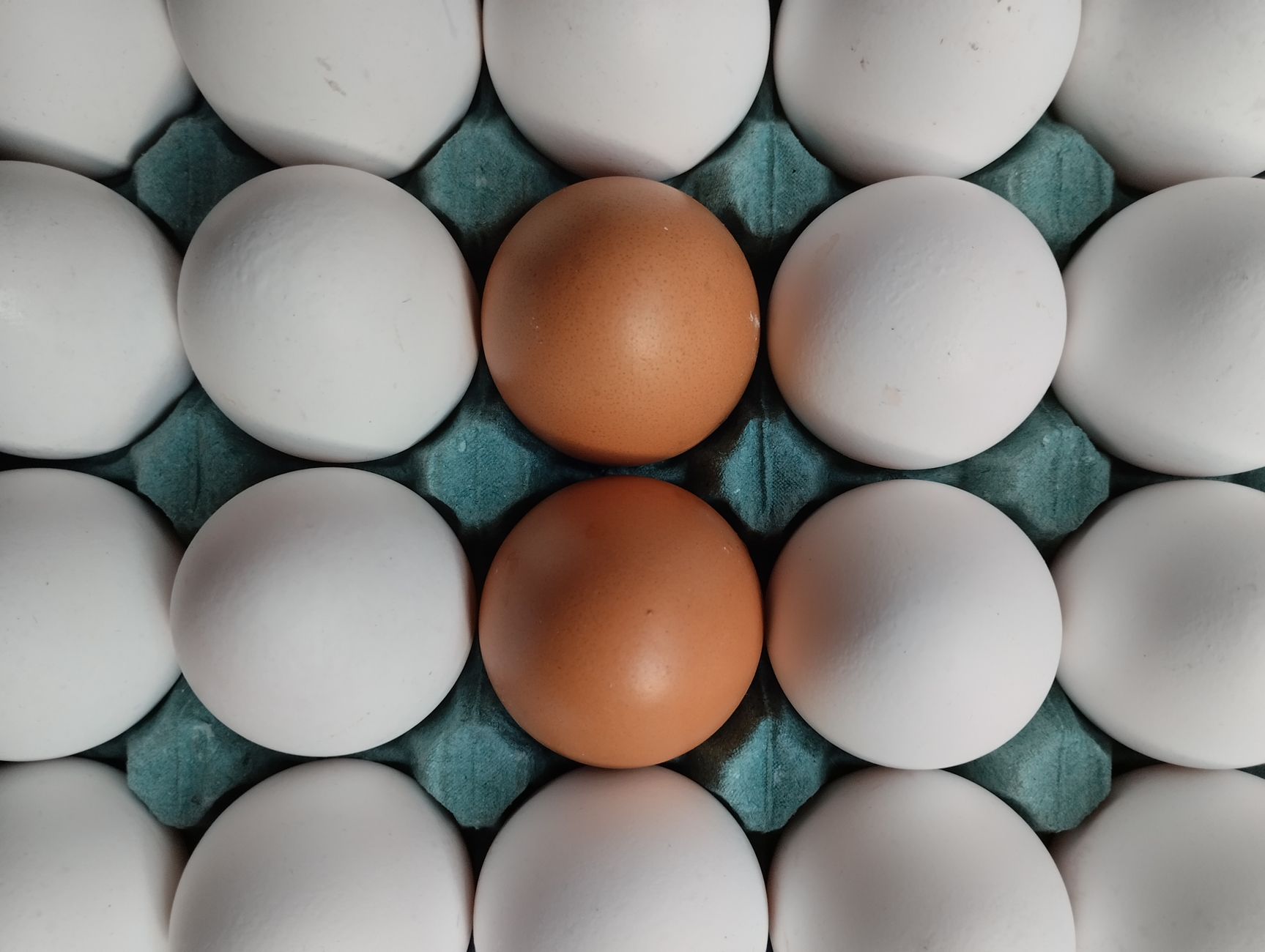
What the Exemptions Actually Cover
The carve-outs apply primarily to specialty egg categories – liquid egg products used in food manufacturing, hatching eggs destined for poultry farms, and certain organic-certified shell eggs sourced from countries with bilateral agricultural agreements already in place. These are not trivial categories. Liquid egg product, for instance, moves through the food supply almost invisibly, ending up in baked goods, prepared meals, restaurant kitchens, and institutional food service at a scale that retail carton sales never approach.
Hatching eggs sit in a separate category entirely. Because they are technically live agricultural inputs rather than food products, they have historically traveled under different regulatory and tariff classifications. The current exemption structure preserves that distinction, which matters enormously to the poultry industry. A flock takes months to mature, and any interruption to hatching egg imports from Canada or Mexico ripples through domestic chicken supply weeks before it shows up in any retail price data.
The organic exemption is the most politically delicate of the three. Organic egg supply in the United States has remained tight for years, partly due to the strict land and feed requirements that limit how quickly domestic producers can scale up certified flocks. Allowing organic imports to enter under reduced tariff rates keeps those supply gaps from becoming price spikes visible enough to generate headlines – but it also undercuts the domestic organic producers who invested heavily in compliance infrastructure under the assumption that trade protection would follow.
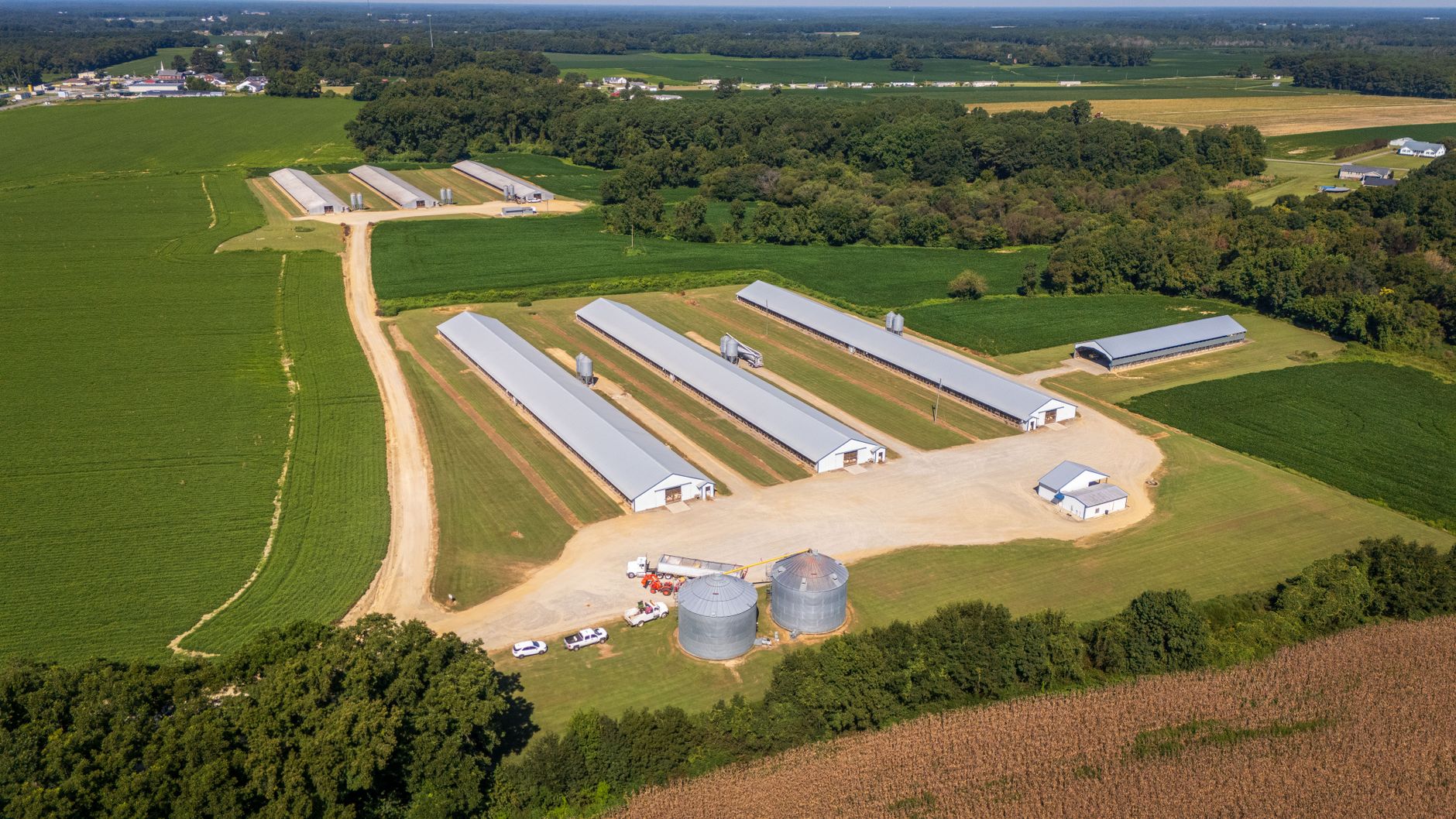
Why the Gaps Were Built In
Blanket tariffs applied without exemptions carry their own political and economic risks. When tariffs drove egg prices sharply higher earlier this year – largely due to the lingering effects of avian flu outbreaks on domestic flocks rather than import competition – the administration faced sustained criticism from consumer advocates and grocery chains alike. Structuring exemptions for categories where domestic supply is genuinely insufficient functions as a pressure release valve, keeping overall egg prices from becoming a sustained political liability.
That calculation makes short-term sense. But it creates a structural inconsistency that domestic egg producers find difficult to ignore. A conventional shell egg producer paying full tariff protection benefits competes in a market where organic and specialty imports move at preferential rates – effectively segmenting the category in ways that favor processors and large food manufacturers over traditional farm operators.
The Downstream Effects Starting to Show
Food manufacturers who rely on liquid egg product have already begun restructuring their sourcing strategies around the exemptions, locking in longer-term contracts with foreign suppliers who can certify eligibility. This is rational purchasing behavior. But it means the exemptions, originally framed as temporary accommodations to supply constraints, are now being built into procurement infrastructure in ways that will be difficult to unwind when – or if – domestic supply catches up.
Retail grocery chains are navigating the exemptions differently. Chains with significant private-label organic egg programs have financial incentives to source from exemption-eligible suppliers abroad, since the cost differential between domestic and imported organic eggs can run wide enough to affect margin on an entire refrigerated aisle category. Some are doing exactly that, without any particular fanfare or disclosure to consumers who may assume “organic” implies domestic origin.
The disconnect between the tariff policy’s stated intent and its operational reality is sharpest at the farm level. Small and mid-size egg producers who lobbied for trade protection as a buffer against foreign competition are discovering that the protection applies unevenly depending on what category of egg they produce. A conventional producer in Iowa gets full tariff coverage. A producer transitioning to organic certification to meet rising consumer demand may find their competitive position eroded before the certification process is even complete.
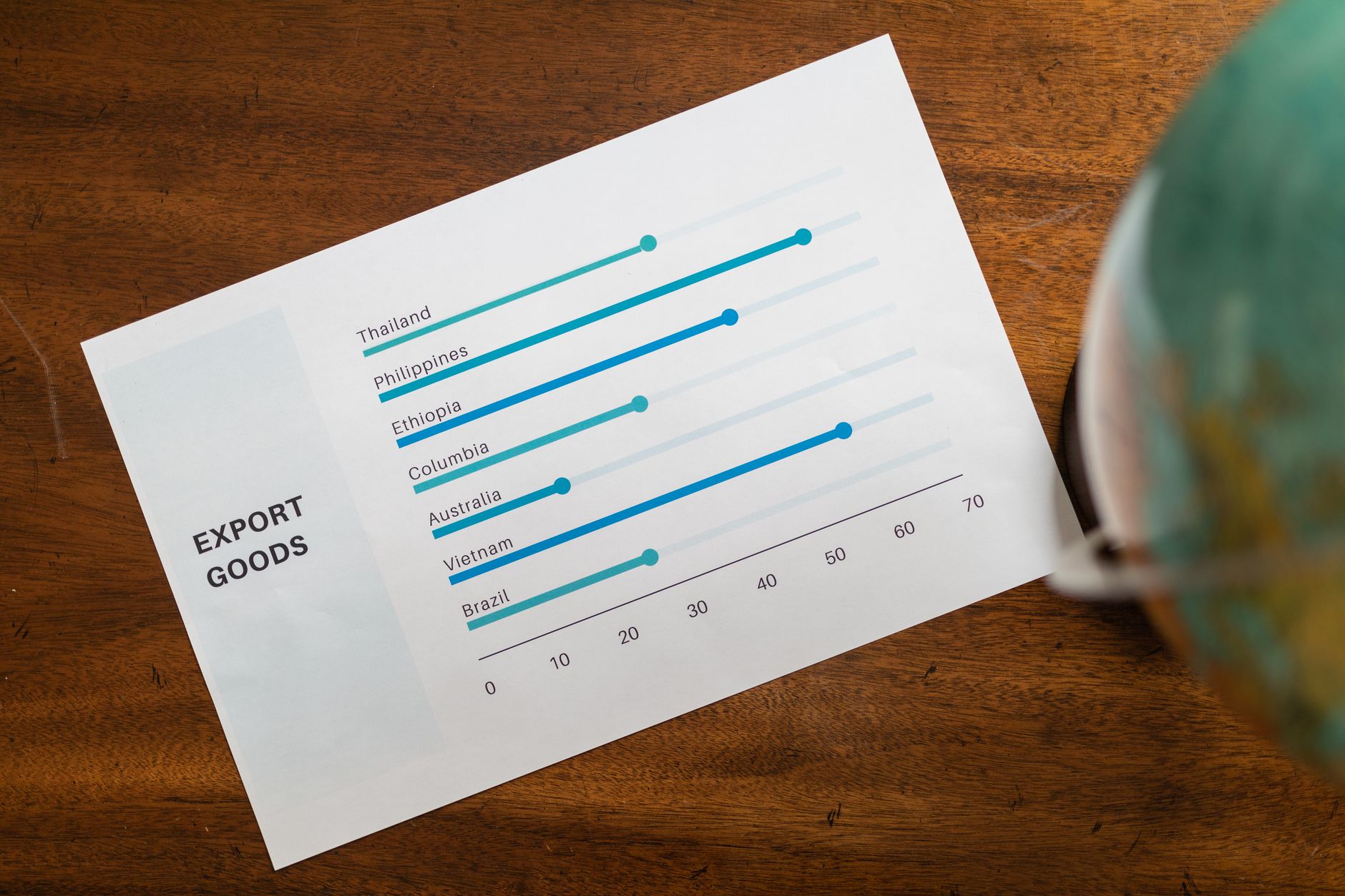
There is also a longer-term supply chain question that the exemption structure has not resolved. Avian flu remains a recurring risk to domestic flocks, and each major outbreak triggers a fresh round of debates about whether the United States relies too heavily on a concentrated domestic production model. The exemptions quietly acknowledge that dependence without addressing it – they provide import relief when domestic supply falters, but they do not fund flock diversification, biosecurity improvements, or the kind of regional production infrastructure that would reduce vulnerability in the first place. The policy manages the symptom and leaves the underlying fragility intact.
Frequently Asked Questions
What types of eggs are exempt from the current tariff rules?
Liquid egg products, hatching eggs, and organic-certified shell eggs from countries with existing bilateral agricultural agreements carry reduced or exempt tariff status under current policy guidance.
Why do egg tariff exemptions matter for domestic producers?
The exemptions create uneven competitive conditions – conventional shell egg producers receive full tariff protection while organic and specialty producers face import competition at preferential rates, affecting farm-level margins and investment decisions.