



State pension systems were already under pressure before revenues started softening. Now, with budget surpluses that briefly cushioned public finances fading across much of the country, the math on public employee retirement funds is getting harder to ignore.

The Surplus Illusion and What Came After
Several states used pandemic-era windfalls – flush with federal aid and unexpectedly strong income and sales tax revenues – to make supplemental pension contributions, buying themselves breathing room on funding ratios that had languished for years. California, Illinois, New York, and others reported multi-billion-dollar surpluses in fiscal years 2021 and 2022. Those surpluses made pension shortfalls look like a problem that was slowly getting solved.
That story has shifted. Revenue growth has slowed sharply in many states, and the fiscal conditions that allowed for extra pension payments no longer exist. Capital gains tax collections – which spiked during the market rally of 2020 and 2021 – have dropped off as investment activity cooled. Income tax revenues tied to bonus and high-earner compensation have similarly softened. The budget cushion is gone, and with it, any political flexibility to pour discretionary money into pension funds.
The consequences are structural, not just cyclical. When states reduced their annual required contributions during flush years – choosing targeted investments or tax relief instead – they didn’t permanently reduce what they owe retirees. The obligation remained, accruing interest on the unfunded side of the ledger. Now that extra contributions are off the table, pension funding ratios that looked like they were recovering could begin drifting back down.
Illinois, which has one of the most underfunded pension systems in the country, illustrates the bind clearly. Despite improved revenues in recent years, the state’s unfunded pension liability has remained stubbornly high – above $200 billion by some measures – because the mathematical growth of the obligation keeps pace with or outstrips annual payments. Less surplus revenue means less ability to make above-baseline contributions, which means the gap compounds rather than closes.
Funding Gaps, Investment Returns, and the Discount Rate Problem
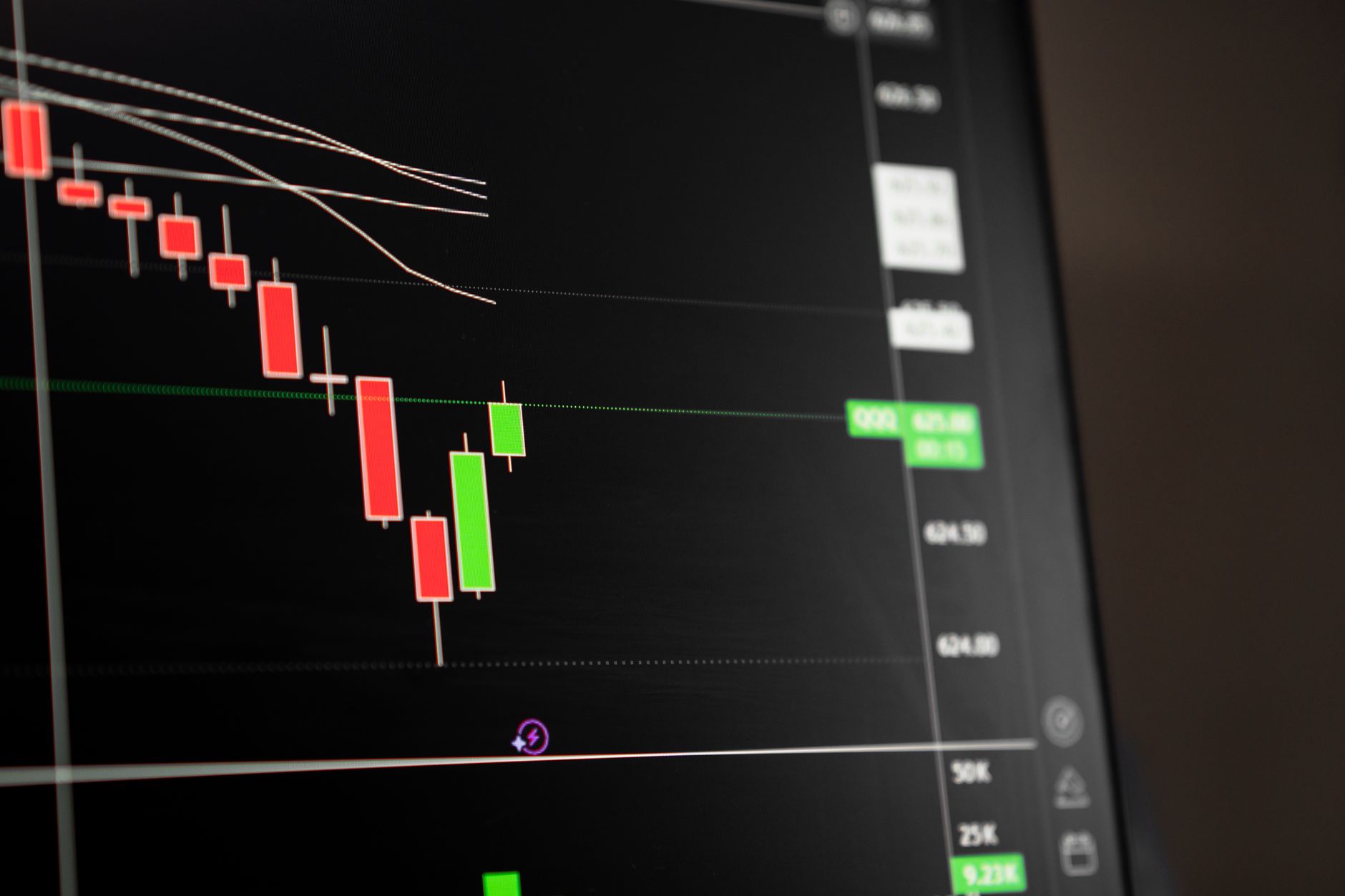
Pension systems don’t just depend on contributions from governments and employees. They depend on investment returns to cover a substantial portion of future benefit obligations. Most state systems use an assumed rate of return somewhere between 6.5% and 7.5% annually to calculate how much they need to set aside today. When markets underperform that assumption – as they did in 2022 when both equities and bonds fell sharply – the unfunded liability grows immediately, and governments are often required to make up the difference in future years.
The 2022 market downturn hit pension funds hard. Public pension plans collectively posted their worst annual returns in decades, and many funds saw their funded ratios drop by double digits in a single year. Even with the partial market recovery in 2023, many systems haven’t fully recovered what they lost – and the actuarial smoothing methods used to soften year-to-year swings mean the full impact of that drawdown is still filtering through contribution calculations.
The discount rate question sits at the center of every serious pension funding debate. Using a higher assumed return lets systems appear better funded on paper – requiring smaller contributions from state governments in the near term. Critics of this approach argue it systematically understates what governments actually owe, effectively kicking the liability to future taxpayers and future legislators. Several economists and pension reform advocates have pushed for lower discount rates more in line with low-risk bond yields, which would force a more honest accounting of the problem – but would also dramatically increase required annual contributions at exactly the moment budgets are tightening.
New Jersey, Kentucky, and Connecticut have all gone through periods of paying less than the actuarially determined contribution in tight budget years, with consequences that played out over decades. The pattern tends to repeat when revenues drop: governors and legislatures face a choice between cutting services, raising taxes, or skimping on pension contributions. The pension fund, which can’t lobby and whose beneficiaries often don’t retire for decades, frequently loses that political contest.
Public sector workers and retirees have more legal protection than private-sector counterparts in many states, where pension benefits are explicitly written into state constitutions or court-interpreted contracts. That protection matters for individual retirees but creates a fiscal rigidity problem for governments: benefits cannot be easily reduced, so the only pressure relief valves are higher contributions, better investment returns, or restructuring debt. When none of those options are available, the gap simply widens.
Local Governments Caught in the Crossfire
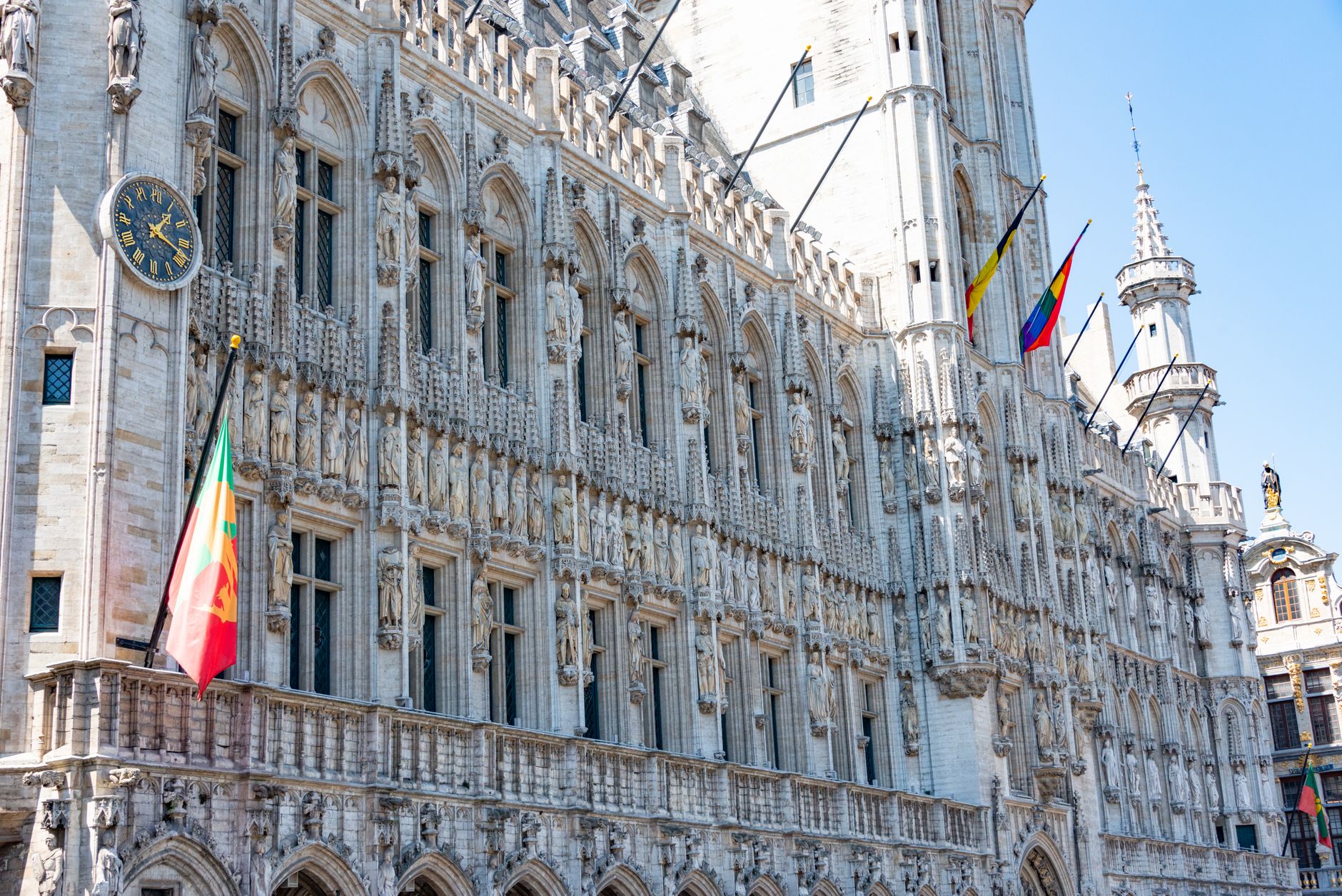
The strain doesn’t stop at state capitals. Many municipalities rely on state-managed pension systems, meaning their exposure to funding shortfalls is determined by actuaries and investment committees they don’t control. As states pull back on discretionary pension support, some are also cutting the aid they send to cities and counties – the same cities and counties that need to fund their own pension contributions from increasingly stretched local budgets. The squeeze becomes layered. Communities already managing the effects of federal contractor layoffs rippling through local economies face compounding fiscal pressure when state transfers shrink at the same time pension bills rise.
The workers watching this unfold most closely are the ones mid-career – far enough from retirement to see the problem developing, close enough to have counted on those benefits in their financial planning. For them, the question isn’t abstract: it’s whether the system will remain solvent when they need it to be, and whether state governments will have the will and the revenue to make it so when the political costs of doing so have never been higher.