




Author: Hugo Stern

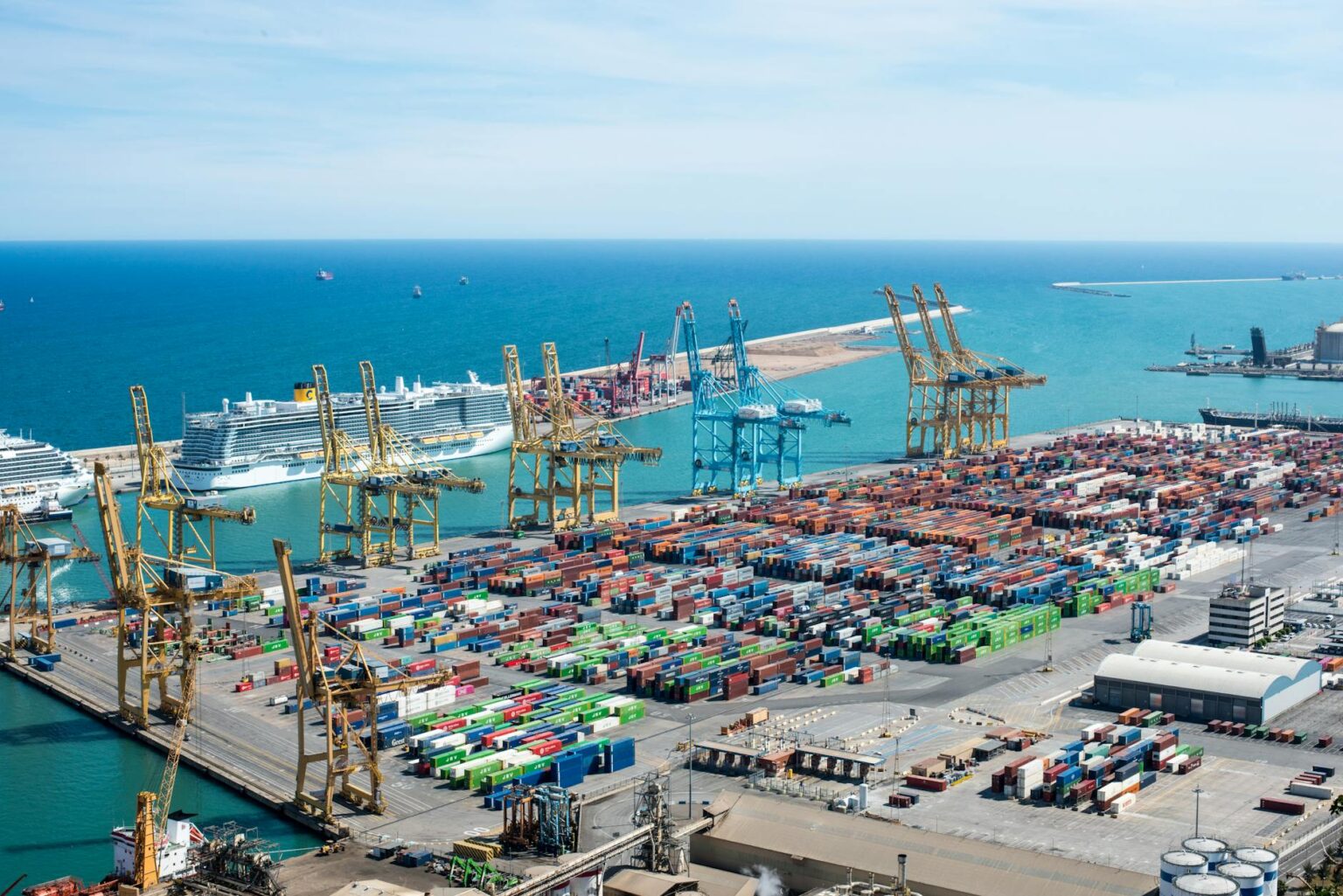
Port congestion costs are mounting, forcing automation negotiations back to the table. Here is what is at stake for workers, operators, and American trade competitiveness.
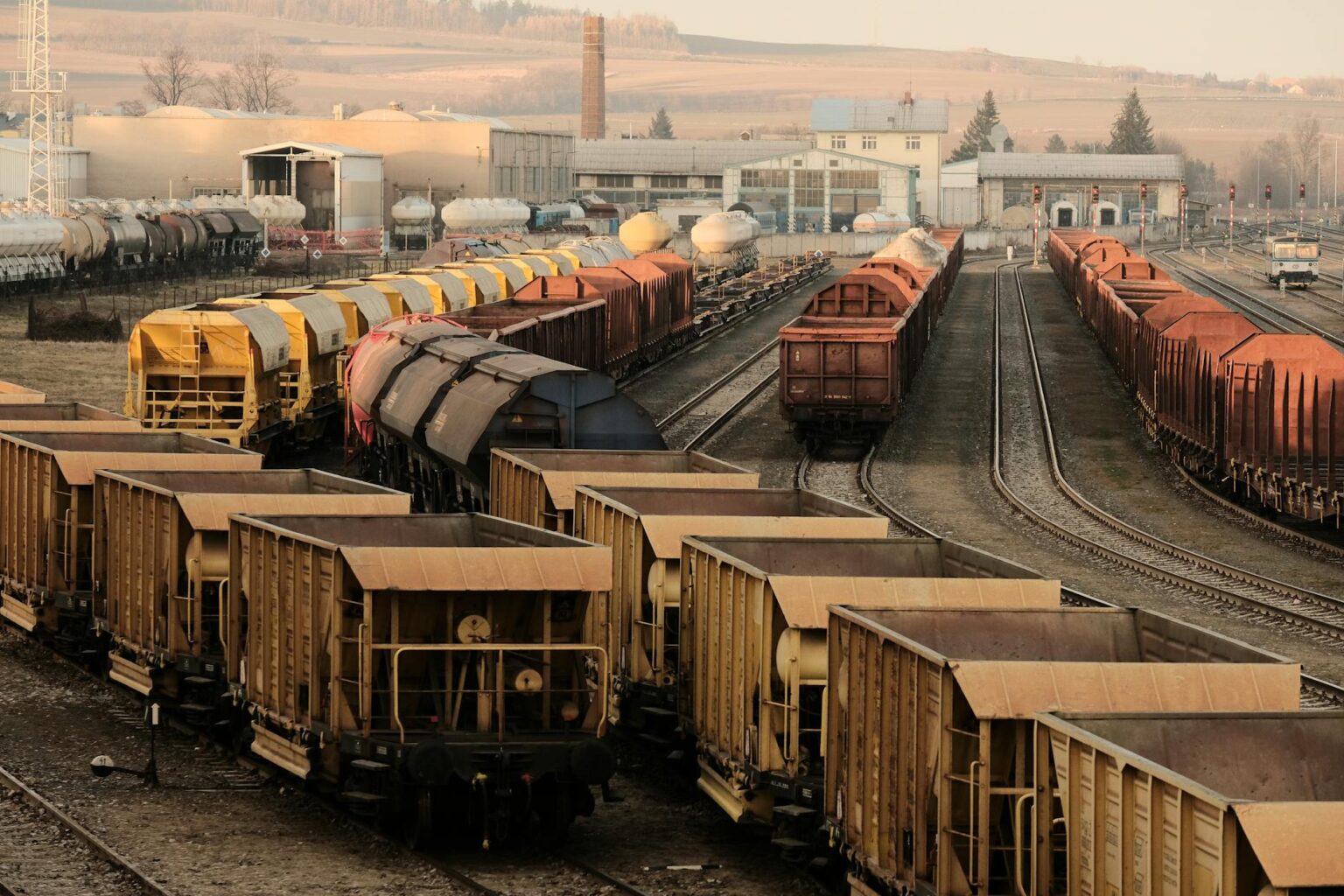
Intermodal freight demand is outpacing rail capacity, driving congestion at major hubs and raising costs for shippers, retailers, and consumers.
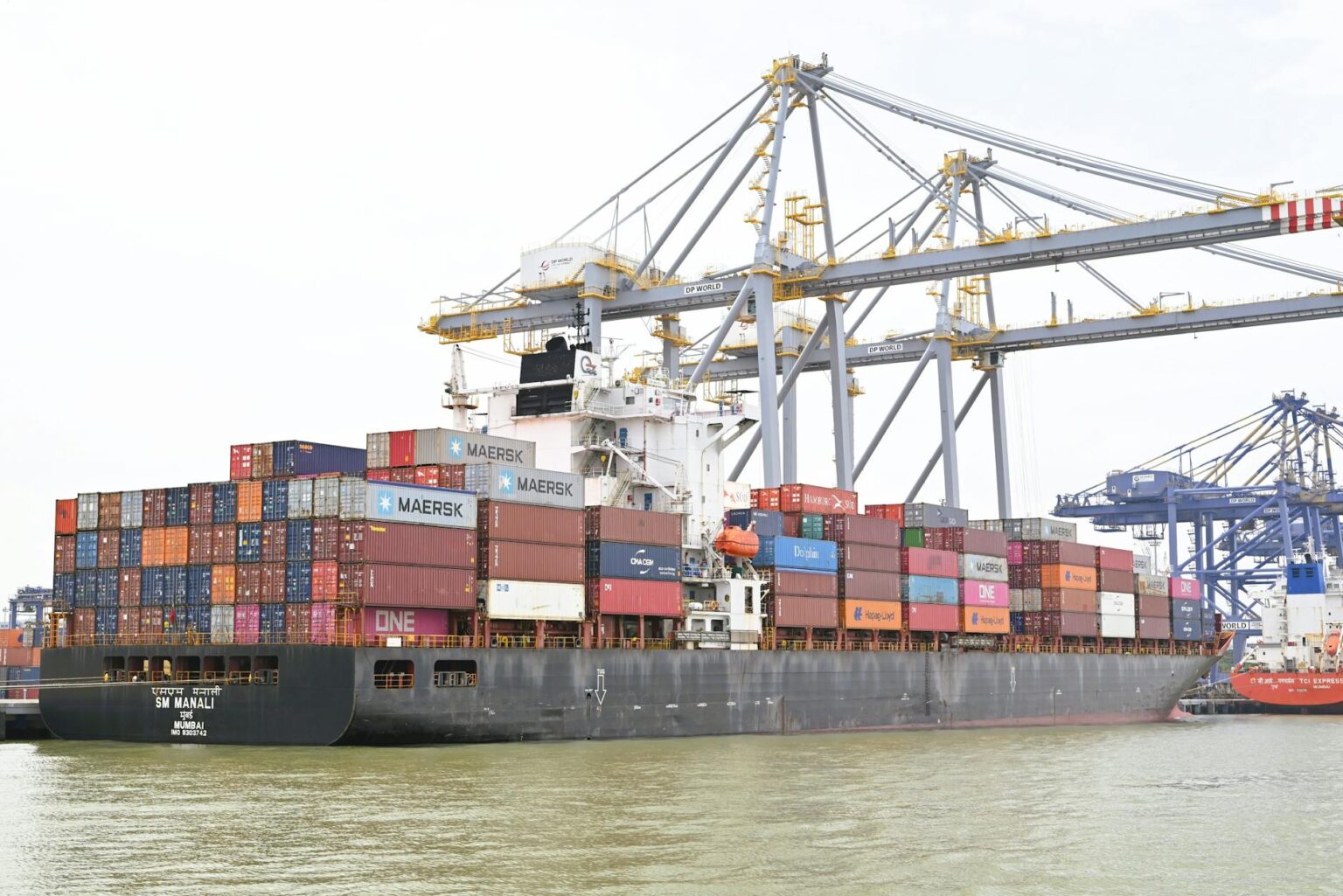
ILA and port operators remain deadlocked over automation, threatening work stoppages at East and Gulf Coast ports that handle nearly half of U.S. oceangoing cargo.

Tariff-driven cost spikes and volume swings are pushing freight brokers toward consolidation, with smaller operators facing margin pressure they cannot absorb alone.
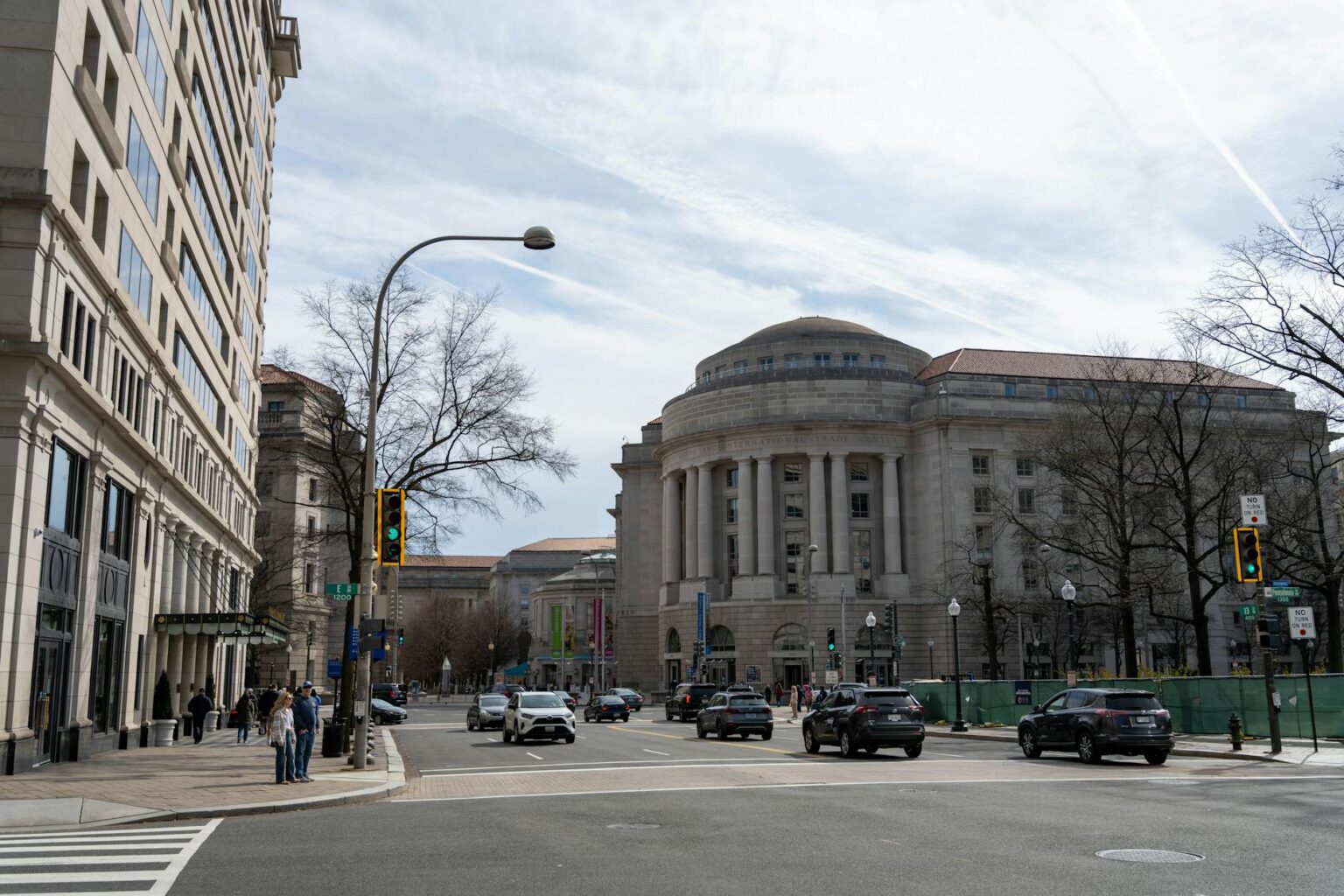
Federal workforce cuts are rattling the Washington-area housing market, softening demand in suburbs built around government employment and raising new uncertainty for buyers and sellers alike.
Medicaid work requirements promise federal savings but push hidden costs onto state budgets, rural hospitals, and the local economies that depend on them.

Rent growth is slowing across Sun Belt cities as a wave of new apartment supply hits markets that boomed during the pandemic migration surge. Renters are gaining leverage for the first time in years.

Proposed federal Medicaid cuts threaten rural hospitals already operating on razor-thin margins, raising the risk of widespread closures in underserved communities.

SNAP benefit cuts and sustained grocery inflation are squeezing millions of Americans, forcing painful choices between nutrition and necessity at the checkout line.

Student loan delinquencies are rising sharply as repayment resumes after years of pandemic forbearance, hitting low-income and non-completing borrowers hardest.