





When the Engine Room Goes Quiet
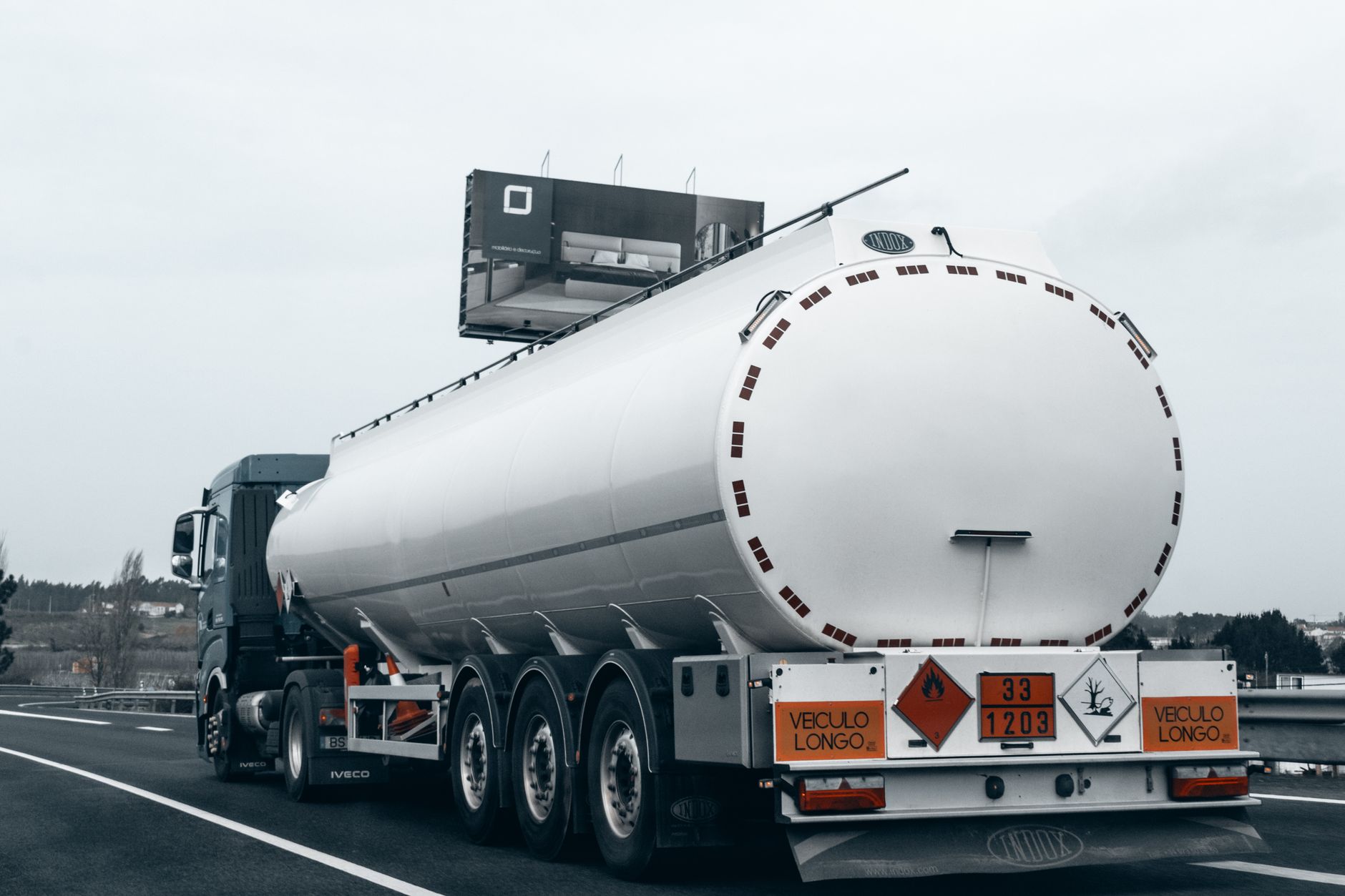
Diesel is the fuel that moves physical goods – trucks, trains, construction equipment, agricultural machinery. When diesel demand softens, it is rarely a headline event. There are no dramatic price crashes, no frenzied trading floors, no viral moments. The pressure builds slowly, in the accounting rooms of refineries spread across the Gulf Coast, the Midwest, and the Mountain West, where crack spreads narrow and the math stops working the way it used to.
That quiet erosion is what is happening right now.
Refinery margins nationwide have been grinding lower for months, driven in significant part by weakening diesel consumption. The freight sector has pulled back as inventory destocking cycles work through the supply chain. Manufacturing output has been uneven. Construction starts have slowed in rate-sensitive regions. Each of those trends reduces diesel burn, and every reduction in diesel burn chips away at the economics that keep refinery utilization rates profitable.

The Crack Spread Problem
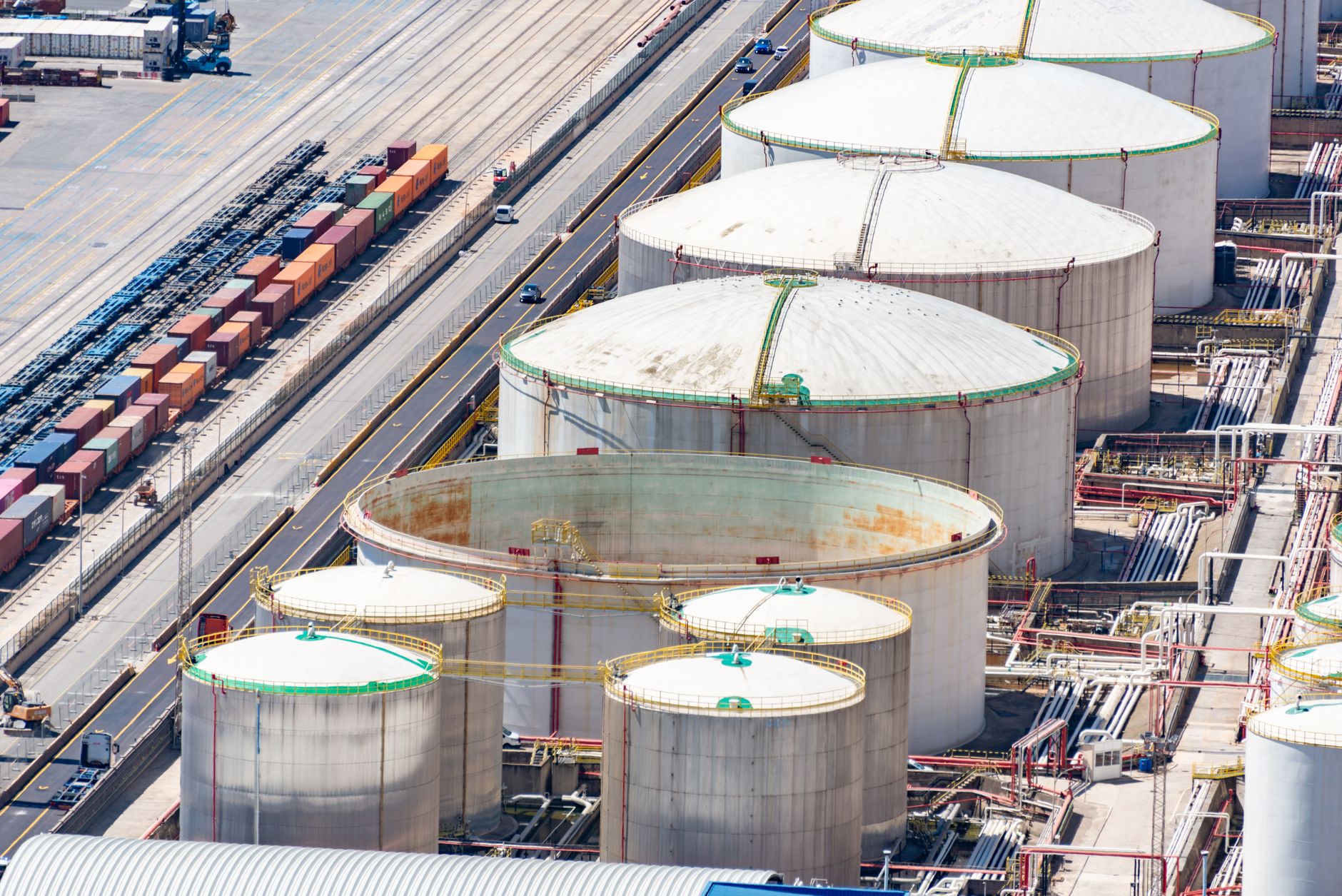
Refiners make money on the difference between what they pay for crude oil and what they sell refined products for – a margin known as the crack spread. Diesel crack spreads, which surged during the supply disruptions of 2022, have compressed substantially as supply has normalized and demand has softened. When diesel cracks fall while crude costs remain relatively firm, refinery economics deteriorate quickly. Refiners cannot simply stop processing crude – their fixed costs continue regardless of throughput decisions, and idling capacity creates its own operational and financial complications.
The structural issue is that diesel demand had been inflated by a freight boom that followed supply chain chaos. Retailers and logistics companies were moving enormous volumes of goods, burning diesel at rates that looked, for a while, like the new normal. That boom has now fully corrected. Trucking tonnage data has been soft, with spot freight rates sitting well below the peaks seen two years ago. Less freight moving means fewer truck miles driven, and fewer truck miles driven means refineries are sitting on more diesel than the market wants to absorb at premium prices.
Refiners have responded by adjusting their crude slates and tweaking processing configurations to favor gasoline and jet fuel where the margins are better – but those adjustments have limits. A refinery optimized around distillate production cannot overnight become a jet fuel machine. The capital investments that shape what a refinery can produce are decisions made years in advance, and they cannot be unwound by a single season of weak diesel demand.
Regional Pressure Points
The margin squeeze is not hitting every region equally. Refineries in the interior of the country – particularly those serving Midwest and Mountain West markets – face an additional complication: they are more exposed to diesel demand from agricultural and construction sectors, both of which have seen activity soften. A farm equipment dealer in the central plains burning less fuel in a slow planting season is not a dramatic story, but multiply that across thousands of operations and the aggregate demand loss becomes meaningful.
Gulf Coast refiners, who have the advantage of export access, have been able to route some diesel into international markets where demand has held up better. That export valve has provided partial relief, but it is not a full solution. Shipping refined product overseas involves its own costs and logistics, and global distillate markets have been dealing with their own supply increases as European refinery capacity that came online to replace Russian product continues to operate.
Independent refiners without integrated retail networks are feeling the squeeze most acutely. A major integrated oil company can absorb weak refining margins through upstream production profits when crude prices are stable. An independent refiner has no such cushion – the refinery margin is the business model, and when that margin compresses, the pressure flows directly to earnings, capital allocation decisions, and in some cases, maintenance schedules.
What Comes Next for the Supply Chain
There is a feedback loop worth watching here. When refinery margins stay compressed long enough, operators begin deferring maintenance, cutting throughput, or in extreme cases idling units. That supply-side response can eventually tighten refined product markets and push margins back up – but the timing is unpredictable and the disruption costs are real. A refinery that defers a major maintenance turnaround to conserve cash during a margin trough is storing up risk for a future unplanned outage.
The broader freight market recovery will matter enormously. If manufacturing activity picks up and inventory restocking cycles resume, diesel demand could firm within a few quarters. A pickup in construction activity – particularly if infrastructure spending flows through more aggressively at the regional level – would also add diesel burn. The agricultural sector’s diesel consumption is tied to commodity prices and planted acreage, both of which fluctuate on their own unpredictable timelines.
The electric vehicle transition is a real long-term pressure on gasoline demand, but diesel’s story is more complex. Heavy-duty trucking electrification is moving slowly because the technology constraints around range, payload, and charging infrastructure remain significant. Diesel demand in freight is not going away in the near term – but it does not need to disappear to hurt refinery margins. It only needs to fall short of the volumes refiners built their throughput assumptions around. Right now, it is doing exactly that, and the margin math reflects it in ways that quarterly earnings reports are only beginning to fully surface.