



The Quiet Budget Crisis Hitting America’s Smallest Railroads
Short-line and regional railroads – the roughly 600 smaller carriers that move freight across rural corridors and connect local industries to the national rail network – are facing a prolonged revenue squeeze that rarely makes front-page news but is reshaping how these operators plan, spend, and survive.
Where the Revenue Pressure Is Coming From
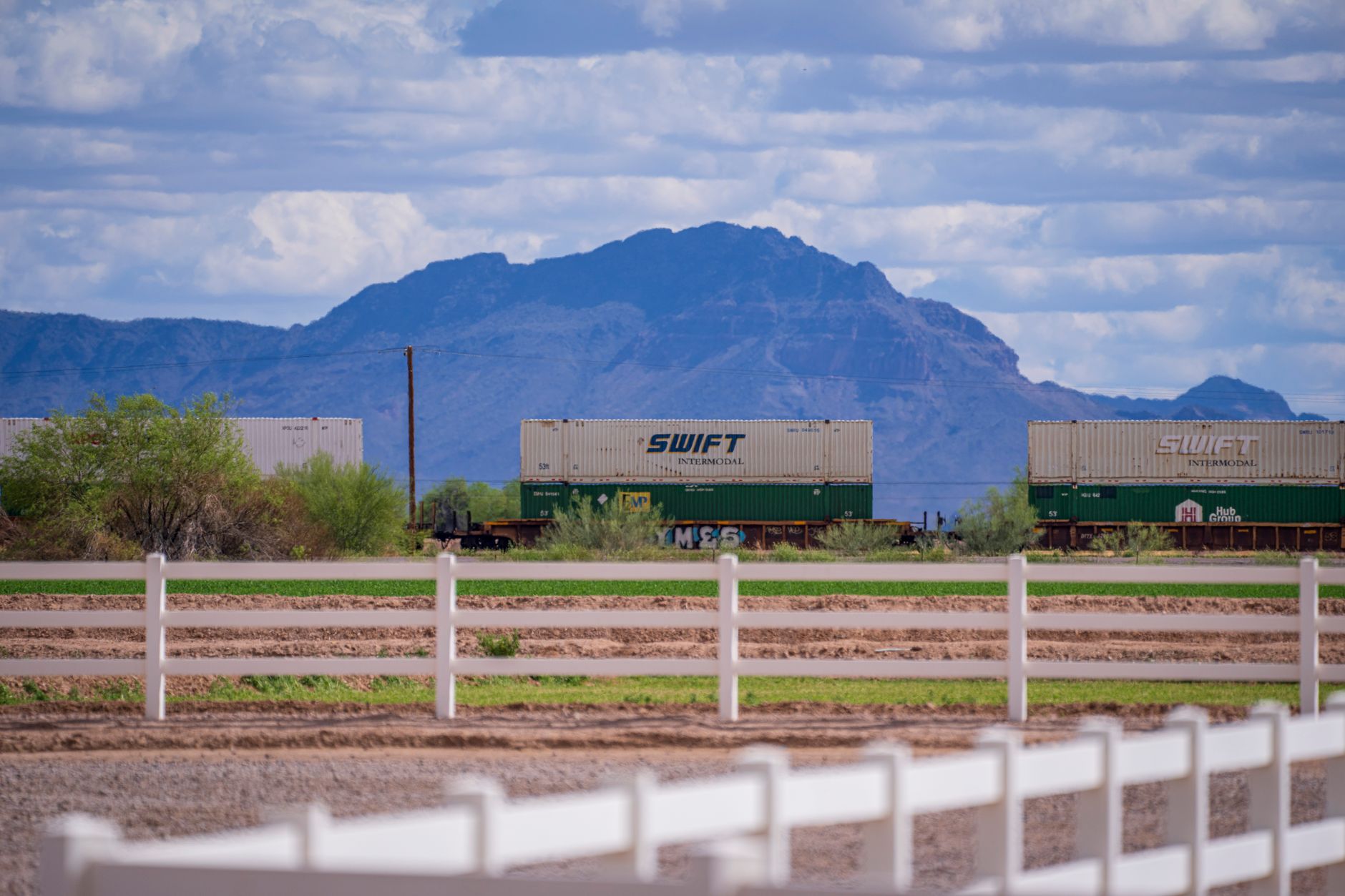
Freight volumes across the U.S. rail sector have softened meaningfully over the past several quarters, driven by a mix of slower manufacturing output, inventory corrections among major shippers, and persistent modal competition from long-haul trucking. For the Class I railroads – the large national carriers like BNSF and Union Pacific – these headwinds are manageable. They have the scale, pricing power, and diversified customer bases to absorb a revenue dip without existential stress. Short-line operators do not have that cushion.
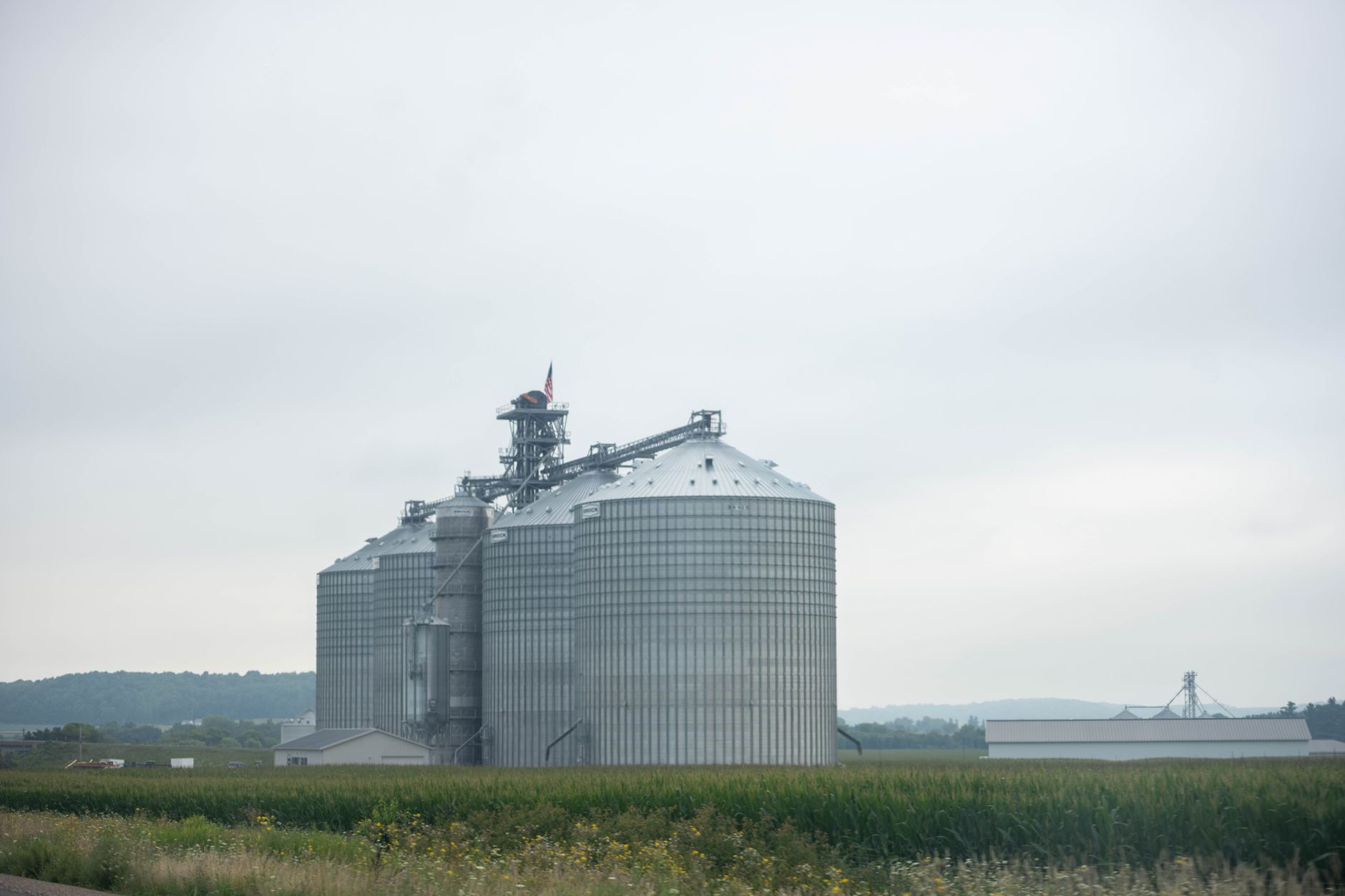
Short-lines typically serve a narrow geographic area and depend heavily on a small number of commodity flows – agricultural products, forest products, chemicals, or local manufactured goods. When a single anchor shipper cuts output, reduces rail shipments, or switches to truck, the revenue impact is immediate and concentrated. There is no offsetting volume from a different region or a different cargo category. The financial hit lands directly on the operator’s bottom line, and it lands hard.
Carload volumes, which represent the primary revenue metric for most short-line operators, have been under pressure across several key commodity categories. Coal, once a reliable volume driver for short-lines serving Appalachian or Interior Basin markets, has been in structural decline for years. Agricultural rail shipments have been inconsistent, tied to harvest cycles and export market conditions that shift with currency movements and trade policy. Forest products, serving the paper and lumber sectors, have tracked the broader housing market correction with little insulation.
The result is that many short-line operators are managing budgets in which revenue forecasts keep getting revised downward while cost structures remain stubbornly fixed. Track maintenance, equipment leasing, crew payroll, fuel, and insurance costs do not shrink proportionally when freight volumes drop. The operating ratio – the percentage of revenue consumed by operating expenses – deteriorates quickly when revenue falls even modestly.
What This Means for Capital Budgets and Infrastructure
The most direct consequence of compressed revenue is deferred capital spending. Short-line operators already face chronic underinvestment pressures because their margins are thin even in good years. When revenue slumps, the first cuts typically come from discretionary capital – new equipment, track rehabilitation projects, signaling upgrades, and grade crossing improvements. These deferrals are rational short-term budget management, but they carry long-term risk.
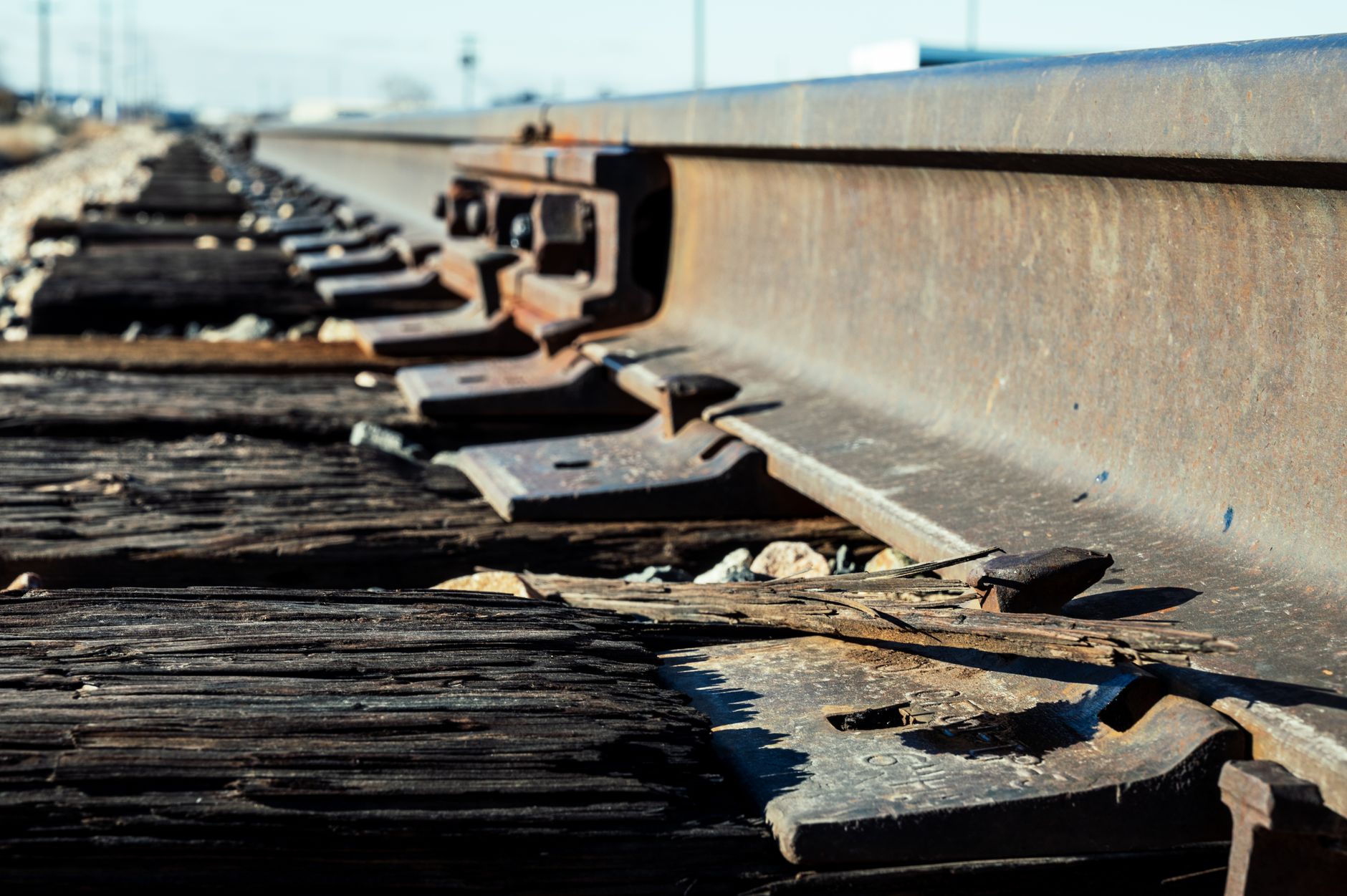
Track condition is the most consequential area of potential deferred spending. Federal Railroad Administration regulations require minimum track standards for different speed classes, and falling below those standards forces speed restrictions that reduce operational efficiency and freight capacity. A short-line that defers track surfacing or tie replacement to preserve cash may find itself imposing 10 mph slow orders on segments that previously ran at 25 mph. That speed reduction increases transit times, frustrates shippers, and can accelerate the shipper’s calculation about whether truck is a better option – which further reduces the very revenue the railroad needs to fix the track.
Equipment is the second pressure point. Short-lines often rely on older locomotive fleets because acquiring newer power requires capital they rarely have in abundance. Maintenance costs on aging locomotives rise nonlinearly as the fleet gets older, and revenue slumps make it harder to finance fleet modernization. Some operators are reportedly stretching locomotive rebuild cycles or running higher percentages of their fleets in active service rather than maintaining adequate spare ratios, which increases the risk of service disruptions.
State rail programs and federal grant mechanisms exist specifically to help short-lines navigate capital gaps. The federal CRISI grant program – Consolidated Rail Infrastructure and Safety Improvements – has been an important funding source for short-line rehabilitation projects. But grant funding requires matching capital contributions, application capacity, and project readiness that many smaller operators struggle to assemble during a revenue downturn. The operators who most need the capital support are often the least equipped to pursue it when their administrative staff is stretched thin and cash reserves are constrained.
There is also a financing dimension worth watching. Short-line operators that carry debt – whether from acquisition financing, prior capital projects, or working capital lines – face tighter covenant compliance risk when revenue slumps. Debt service coverage ratios decline when operating income falls, and lenders paying attention to the sector may tighten credit terms or reduce revolving credit availability precisely when operators most need financial flexibility. For smaller operators, a credit tightening can cascade quickly into operational decisions about staffing, maintenance scheduling, and shipper service levels.
The Structural Tension With Regional Economic Development
Short-line railroads function as economic infrastructure for many rural and semi-rural communities. A grain elevator that depends on rail access, a lumber mill that ships product by rail, or a regional manufacturer that receives raw materials by rail – these businesses locate and operate where they do partly because rail access exists. When a short-line deteriorates financially, reduces service, or ultimately shuts down, the economic impact ripples through local employers and tax bases in ways that are rarely reversed quickly. The loss of rail service tends to be permanent at the local level because reestablishing it requires capital investment that private operators will not make without demonstrable traffic volumes, and those traffic volumes often do not exist once shippers have adapted to truck-only logistics.
This dynamic puts state economic development agencies and rural transportation planners in a difficult position. They have a structural interest in preserving short-line viability, but the tools available – grant programs, state rail bank funds, tax credits for track rehabilitation – are limited relative to the scale of need, and they operate on legislative timelines that rarely match the pace of a railroad’s cash flow crisis. This is a fiscal stress pattern that shares some characteristics with other forms of regional public infrastructure strain, including municipal bond market pressures driven by widening structural budget gaps. The communities most exposed to short-line service loss tend to have the fewest alternative freight options and the least political leverage to secure emergency intervention before a carrier reaches a crisis point.