





When Cargo Moves, Jobs Don’t Always Follow
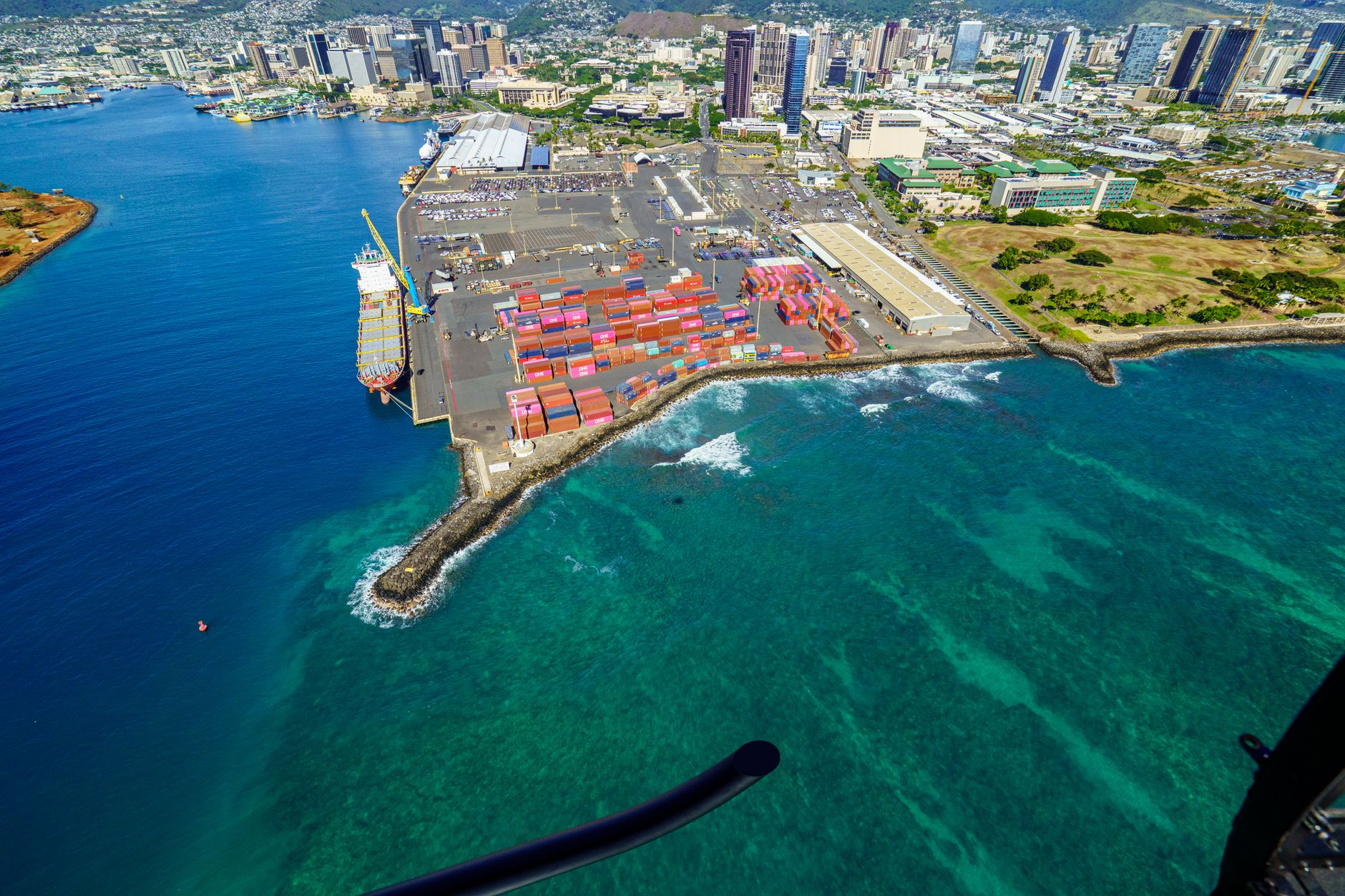
Hiring freezes at major U.S. seaports are spreading quietly, driven not by a collapse in overall trade volume but by a structural shift in how goods move once they reach American shores. Cargo that once passed through coastal terminals and required armies of longshoremen to sort, stack, and stage is increasingly being rerouted to inland distribution hubs, rail yards, and dry ports – places where the labor rules, union agreements, and wage structures look nothing like the waterfront.
The freeze isn’t uniform. Some ports are holding headcount flat. Others have quietly let temporary and probationary workers go without renewing their contracts. A few have stopped scheduling casual labor for shifts that, six months ago, would have been fully staffed. None of it shows up cleanly in headline employment numbers, which is part of why the story hasn’t broken through yet.
The workers feeling it first are the ones with the least protection.
How Cargo Is Changing Course
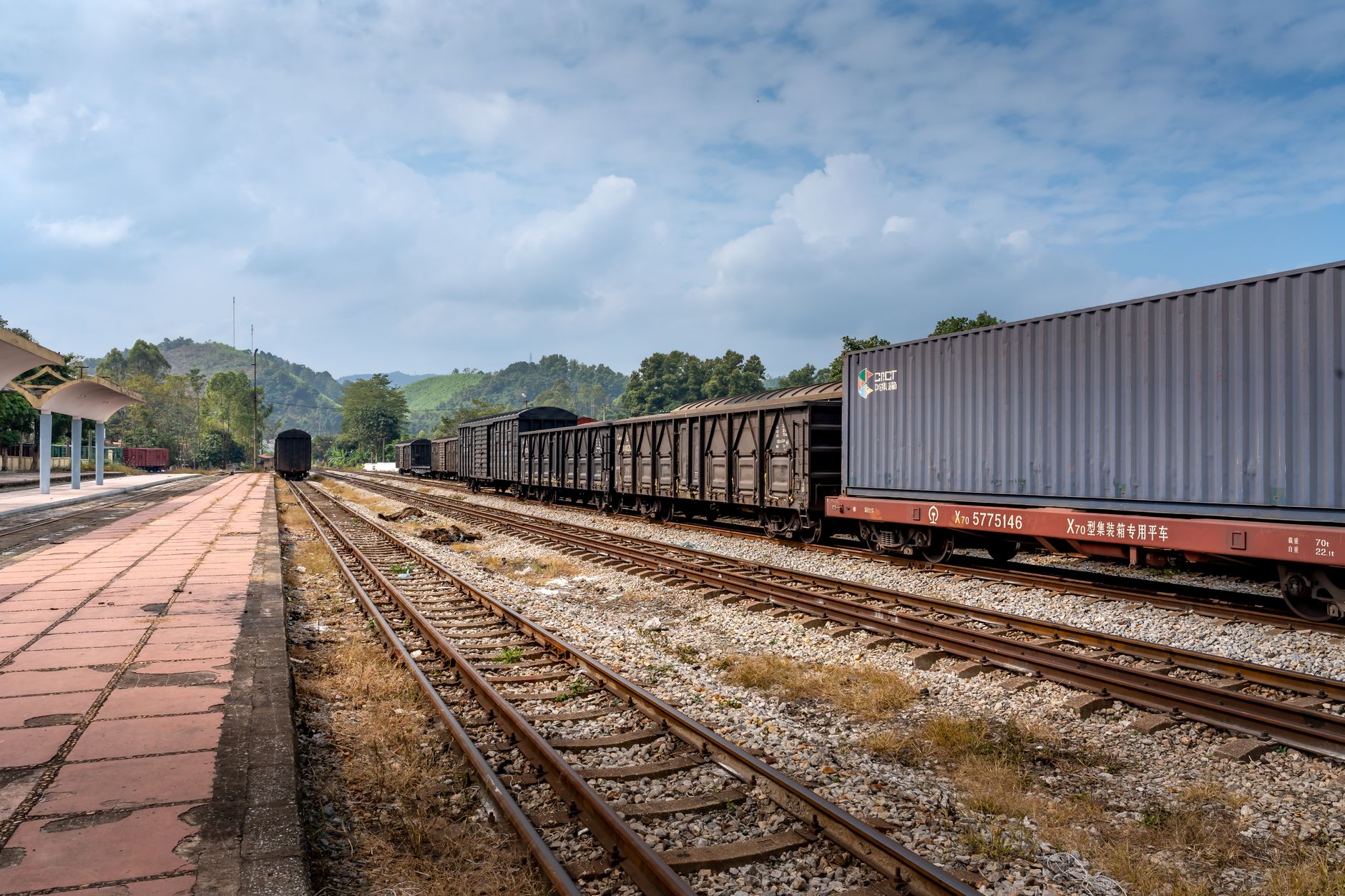
The logistics industry has been building toward this for years. Major retailers and third-party logistics providers have invested heavily in intermodal infrastructure – the combination of rail and truck networks that can pull containers off ships and route them hundreds of miles inland before they ever need significant manual handling at a coastal facility. That infrastructure is now mature enough to handle a meaningful share of the volume that used to stay near the port.
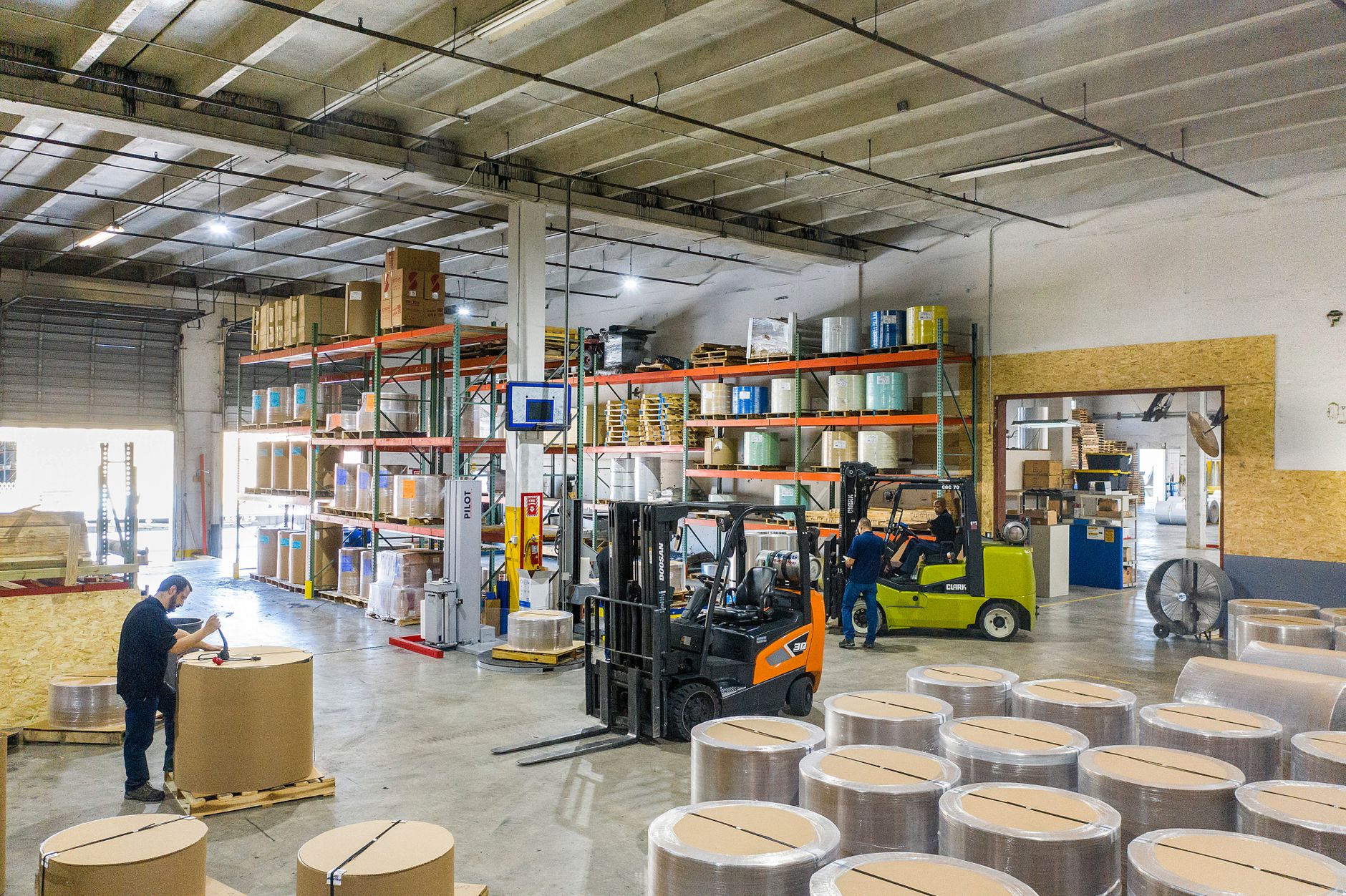
The incentive to use it is partly economic. Port labor on the coasts is expensive, highly organized, and operates under contracts that limit flexibility. Moving cargo to inland facilities – many of them in right-to-work states with lower baseline wages and fewer work-rule restrictions – cuts costs at multiple points in the chain. It also gives shippers more control over scheduling, since inland rail yards and distribution centers aren’t subject to the same congestion patterns that throttle coastal ports during peak seasons.
The volume shift isn’t hypothetical. Rail intermodal traffic through major inland hubs in the Midwest and Southeast has been climbing, even as some coastal terminals report softer throughput numbers. The cargo is moving. It’s just moving differently, and the jobs attached to that cargo are landing in different zip codes than they used to.
What a Hiring Freeze Actually Looks Like on the Docks
Port hiring has always been a layered system. At the top are fully registered longshoremen with seniority, benefits, and strong union backing. Below them are casual workers – people who show up to shape-up halls hoping to get dispatched for a day’s work, sometimes earning strong hourly wages when they do, but with no guarantee of hours. When volume softens, the casualty count at the bottom of that hierarchy rises first, and it rises without generating much noise.
A hiring freeze at a port rarely means a sign goes up saying “no new workers.” It means dispatch lists stop growing. It means workers who were on track for full registration get stalled. It means the number of available shift slots quietly shrinks until the casual labor pool is working half the hours it was six months ago. For individuals in that pool, the math is brutal – they’re technically still registered, still available, still considered part of the workforce, but their actual income has been cut significantly without any formal layoff taking place.
Union leadership at several major ports has flagged the trend in recent months, noting that the combination of rerouted cargo, increased automation at terminal gates, and slower-than-expected post-renegotiation volume recovery has created a difficult environment for newer workers trying to build hours and seniority. The problem is structural enough that a single busy quarter won’t fix it. The broader commercial transportation sector is dealing with its own labor dislocations right now, and dock workers aren’t the only group caught between changing logistics patterns and workforce systems designed for a different era.
No Easy Rebound in Sight
The assumption that coastal port jobs would snap back once global supply chains normalized hasn’t held. Shippers who discovered the cost advantages of inland routing during the disruption years have largely kept those routing strategies in place. That means the job recovery at seaports is being measured against a baseline that may no longer exist – and the ports most exposed are the ones that haven’t yet invested in automation upgrades that would at least anchor some operational roles even as manual labor requirements drop. The freeze, in other words, isn’t waiting for a trigger. It’s already here, and the workers most affected are the ones who had no guaranteed hours to lose in the first place.